
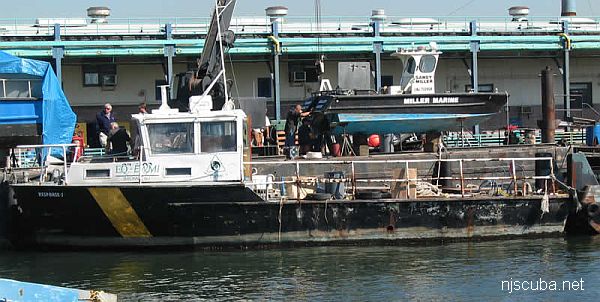
- Type:
- artificial reef, buoy tender
- Built:
- 1969, Curtis Bay MD USA ?
- Specs:
- ( 46 ft ) 37 GT
- Sunk:
- Tuesday January 8, 2008 - Sea Girt Artificial Reef
- GPS:
- 40°07.931' -73°56.373'
More: Response 1 ...
More: Response 1 ...
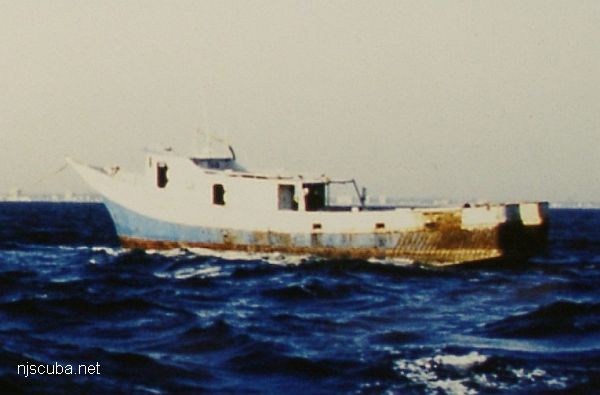
More: Restorer ...
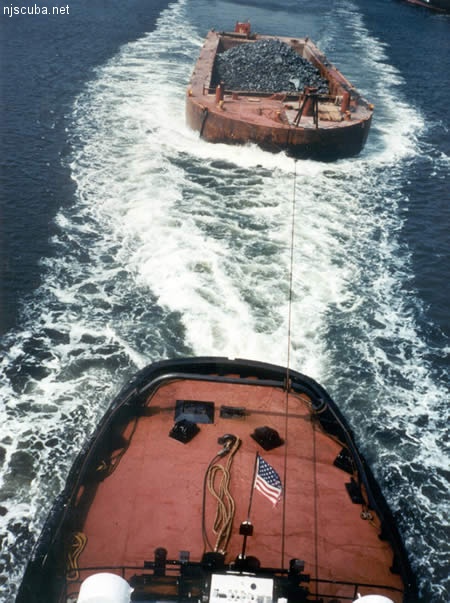
All manner of concrete, steel, and stone rubble from dredging, demolition projects, and other construction is used as artificial reef materials. This material is generally available at very low cost or free from construction companies who are more than happy to get rid of it. Transportation costs determine where this material is used by the Reef Program.
More: Rock & Rubble ...
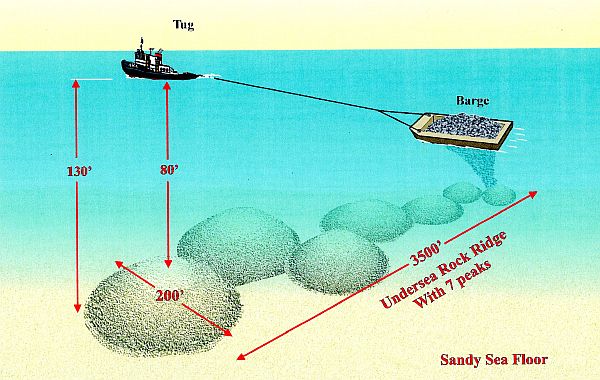
This site on the Shark River Artificial Reef consists of two long ridges of seven huge rock piles each, with one long valley east-west between them. Between piles, there are smaller valleys. Each ridge contains approximately two million tons ( or one million cubic yards ) of granite, blasted and dredged from the bottom of New York harbor between September 2002 and September 2003. Peak depths range from 85 to 105 ft, bottom depth is 130 ft. In addition, 15 Redbird subway cars were deposited on or near one of the piles. A similar rockpile is located in shallower water on the Axel Carlson Reef.
More: Rock Ridges ...
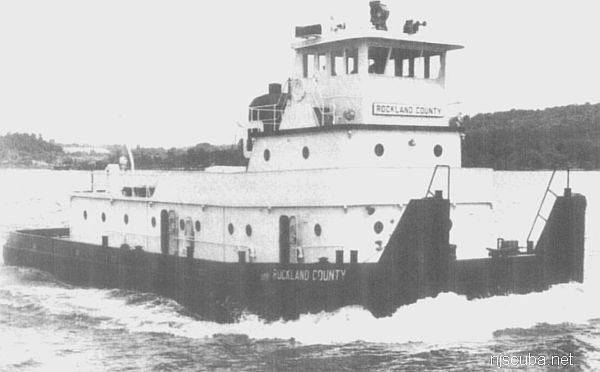
More: Rockland County ...
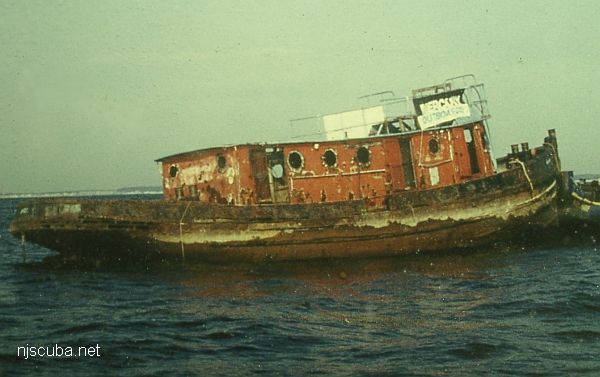
More: Ronde Joyce II ...
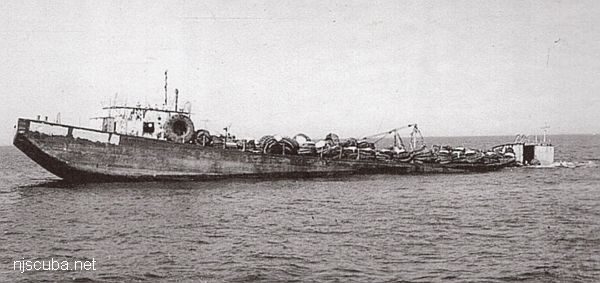
More: Rothenbach I YON-97 ...
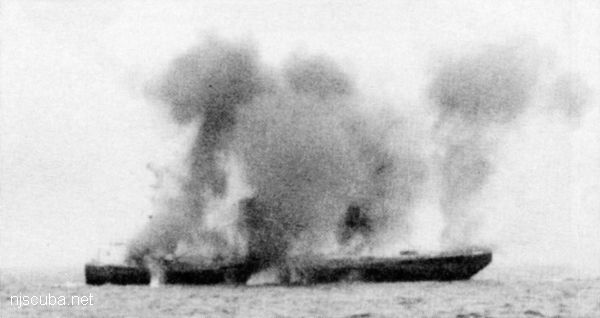
More: Rothenbach II YON-96 ...
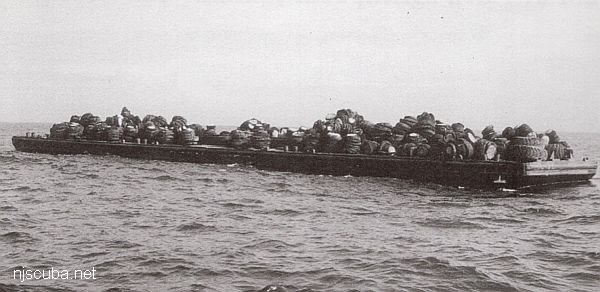
More: salt barge ...
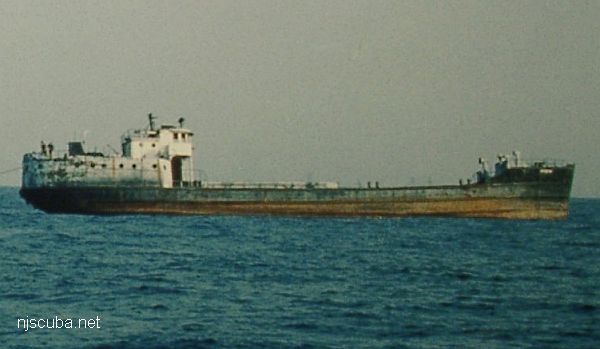
More: Sam Berman ...