Artificial Reef Sites (20/27)

Artificial Reefs

 1  19 20 21  27  


Type:
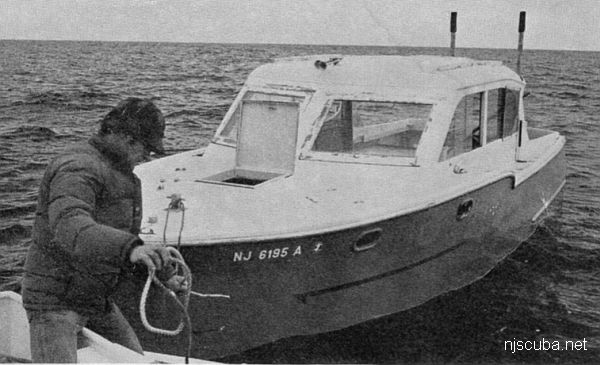
charter fishing/dive boat, USA
Specs:
( 41 ft )
Sunk:
Sunday November 17, 1985
sunk as artificial reef ( next to Black Warrior )
Depth:
40 ft

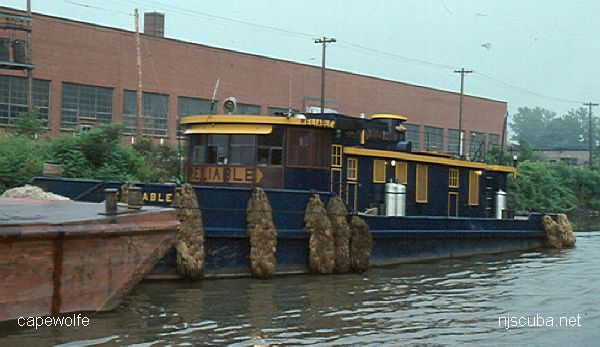
Rascal is not in any official reef area


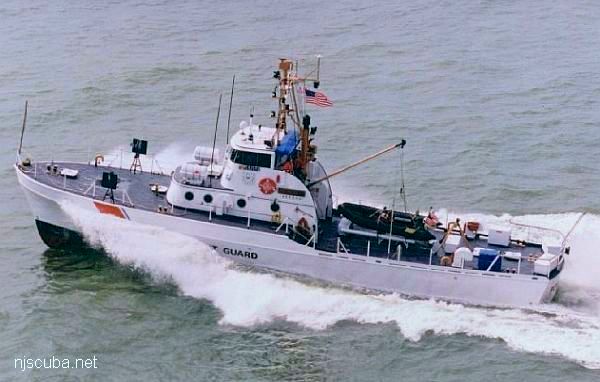
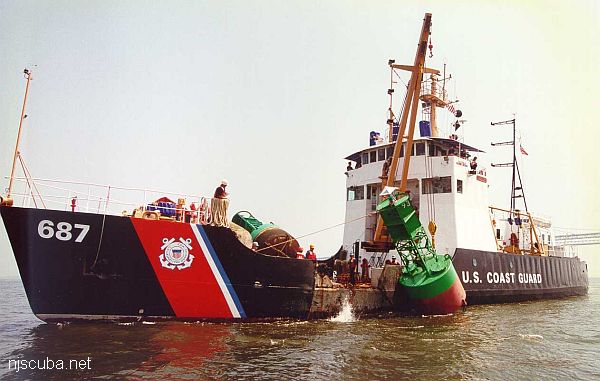
Red Oak WLM-689 reef
Sister ship Red Birch
Type:
artificial reef, buoy tender / ice breaker, US Coast Guard
Built:
1971, US Coast Guard Yard, Baltimore MD
Specs:
( 157 x 33 ft )
Depth:
65 ft
Sponsor:
USCG, Dick Weber & South Jersey Fishing Center
Sunk:
Monday September 13, 1999 - Cape May Artificial Reef
GPS:
38°53.125' -74°40.816'

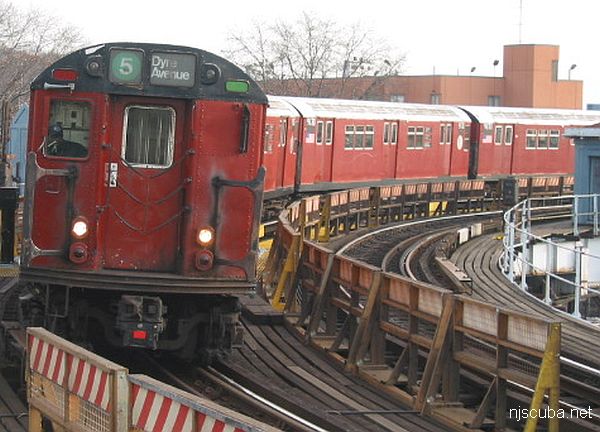
Redbird Subway Car - in service
Type:
250 "Redbird" subway cars - NYC Subway system - steel bodies / frames
Built:
1959-1960 - American Car & Foundry - Model R26 # 7750-7859
1960-1961 - American Car & Foundry - Model R28 # 7860-7959
1962-1963 - St. Louis Car - Model R29 # 8570-8805
1962-1963 - St. Louis Car - Model R33 # 8806-9345
1963-1964 - St. Louis Car - Model R36 # 9346-9769
Specs:
( 51 x 9 ft ) 15,000 to 18,000 pounds (body)
Sunk:
50 cars - Cape May Reef on July 3, 2003
50 cars - Deepwater Reef on July 16, 2003
50 cars - Atlantic City Reef on July 25, 2003
50 cars - Garden State North Reef on Sept 3, 2003
50 cars - Shark River Reef on Oct 14, 2003
619 cars - Delaware Reef 11 from Aug 2001 to Nov 2003
Sponsor:
New York City Metropolitan Transportation Authority (MTA)
anti-
Sponsor:
Environmental group Clean Ocean Action lobbied aggressively and almost successfully to prevent the use of these subway cars as artificial reefs in New Jersey, resulting in most of the cars going to other states.
GPS:
too many to list, and all gone anyway
Depth:
Depths vary by location between 80 ft and 130 ft.


Artificial Reef Sites

 1  19 20 21  27  

by Captain Adam Nowalsky
copied from charter boat Karen Ann II

boat

As a charter boat operator, it is my job to ensure that my fares adhere to the current fishing regulations. While the current regulations are posted on my website for passengers to see, many people show up not knowing beforehand what the regulations are, and in some cases, that regulations even exist. This is likely because the fisheries management process can be difficult to understand, resulting in very few people getting involved. Hopefully, this article can help de-mystify the process.