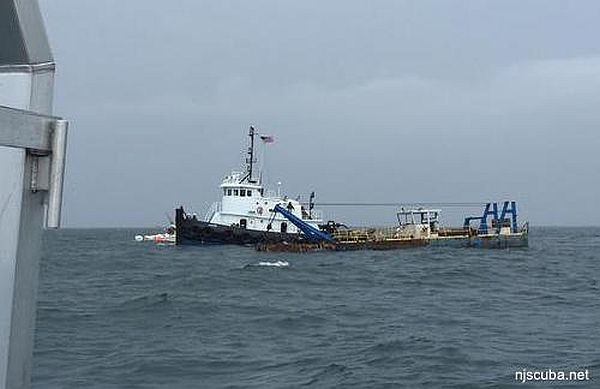
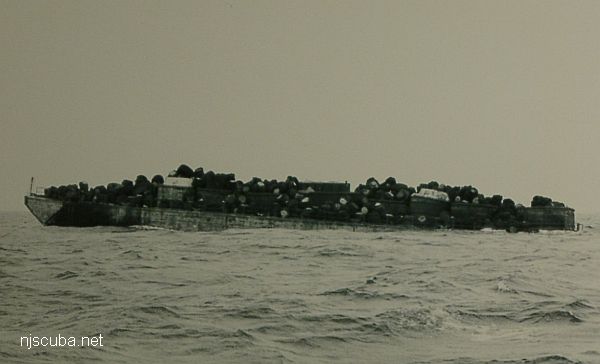
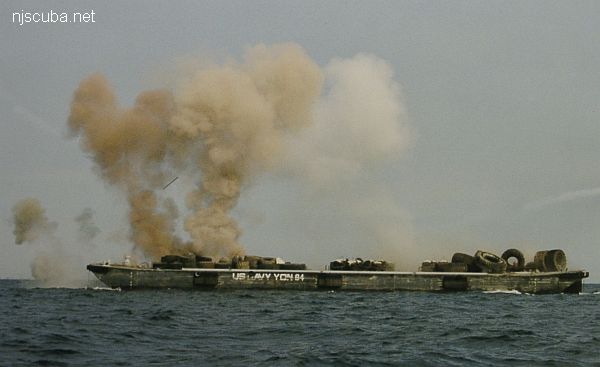
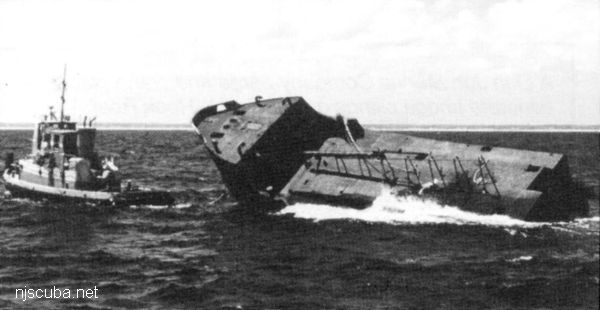
Type:
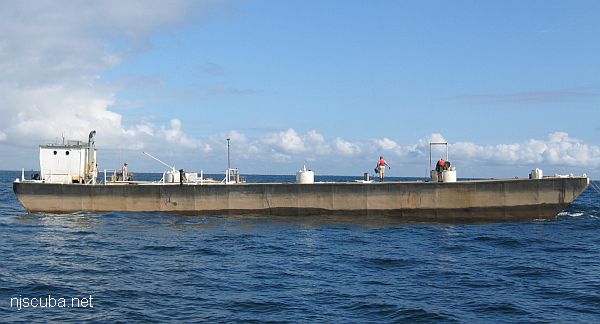
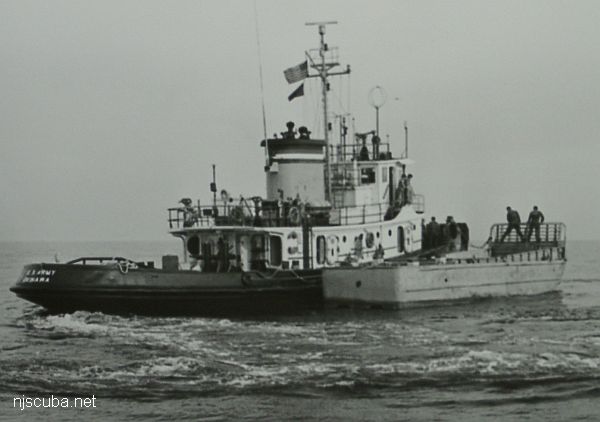
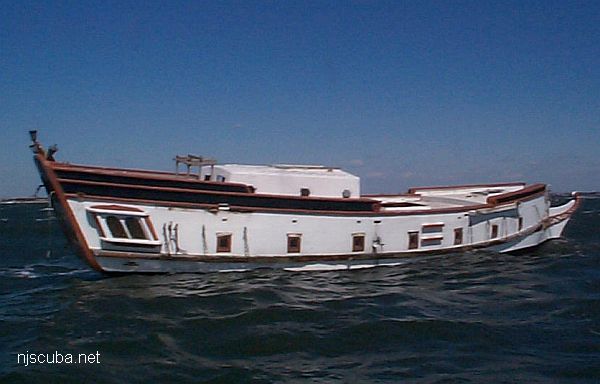
artificial reef, barge , tank, US Navy
Built:
1942, Levingston Shipbuilding , Orange TX USA
Specs:
( 174 x 40 ft )
Sponsor:
Ocean Wreck Divers
Sunk:
Wednesday October 8, 1997 - Axel Carlson Artificial Reef
GPS:
40°00.587' -73°59.391'
More: Ocean Wreck Divers III YON-84 ...
Please support the Artificial Reef Program so that they can sink the rest of this ship !
Type:
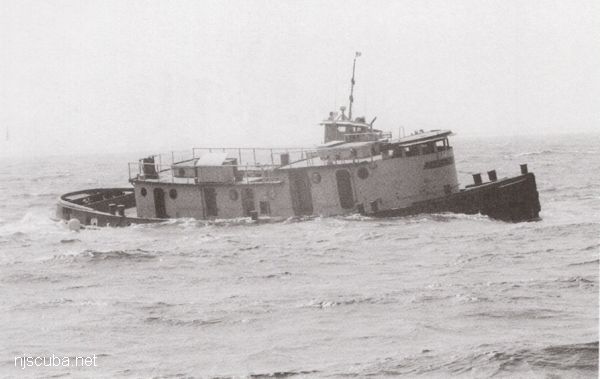
artificial reef, tanker ( front half only )
Specs:
( 85 x 30 ft )
Sponsor:
Ocean Wreck Divers
Sunk:
Friday August 7, 1998 - Sea Girt Artificial Reef
GPS:
40°07.750' -73°56.345'
Depth:
70 ft
More: Ocean Wreck Divers IV "The Bow" ...
Type:
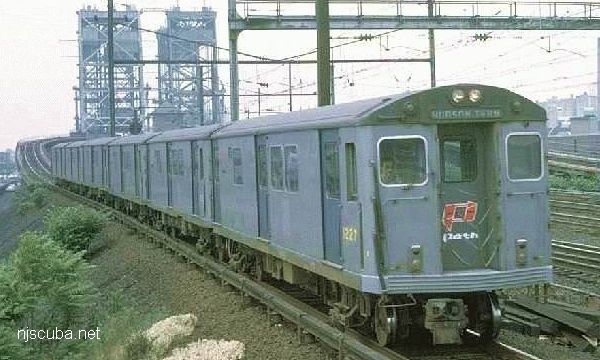
5 MP51 "K-Car" type PATH train cars ( the "Tubes" )
Built:
1958 onwards - St. Louis Car Company
Specs:
( 51 x 9 x 12 ft ) 69,300 lbs, 44 seats
Sponsor:
SEPTA
Sunk:
Thursday July 19, 1990 - Sea Girt Artificial Reef
GPS:
40°06.675' -73°57.077'
Depth:
70 ft
More: PATH subway cars ...
Type:
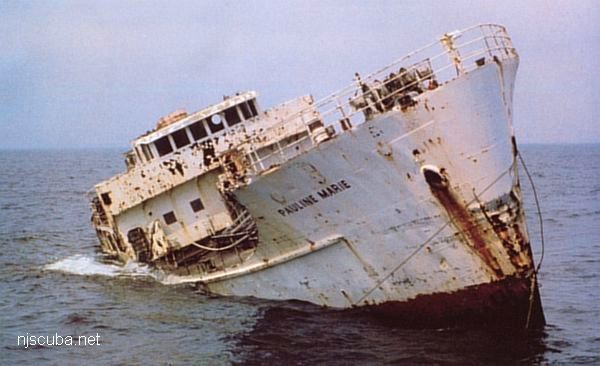
artificial reef, freighter , USA
Built:
1944/1945 USA as FS-??? (US Army Design 381)
Specs:
( 176 x 32 ft ) 560 tons
Sponsor:
Seacoast Products Inc, Fisherman Magazine
Sunk:
Friday March 29, 1985 - Atlantic City Artificial Reef
GPS:
39°13.763' -74°12.182'
Depth:
85 ft
More: Pauline Marie FS-??? ...
Peggy Diana is the landing craft, not the tugboat.
Type:
artificial reef, LCM-6 (Landing Craft-Mechanized, see "Captain Henry")
Specs:
( 56 x 14 ft ) 64 tons
Sponsor:
Army Transportation Corps
Sunk:
Saturday November 14, 1987 - Cape May Artificial Reef
GPS:
38°50.830' -74°42.510'
More: Peggy Diana LCM-6 ...