Artificial Reef Sites (25/27)

Artificial Reefs

 1  24 25 26  27  


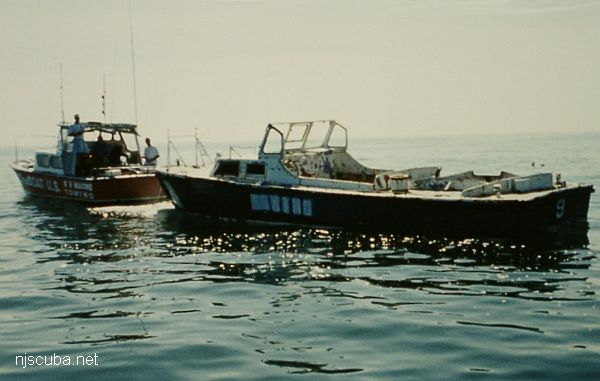
#9 reef
Type:
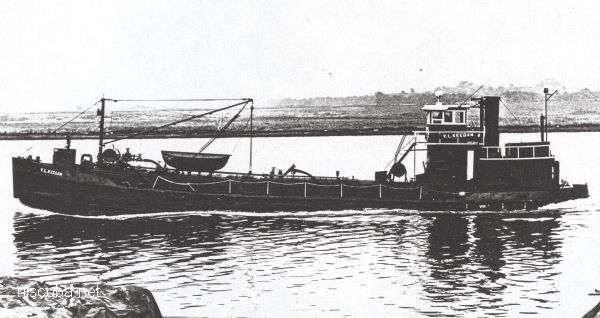
artificial reef, tow boat, originally USCG patrol boat
Specs:
( 40 x 12 ft )
Sponsor:
Artificial Reef Association, Jim Lees
Sunk:
Wednesday July 31, 1995 - Barnegat Light Artificial Reef
GPS:
39°45.127' -74°01.297'

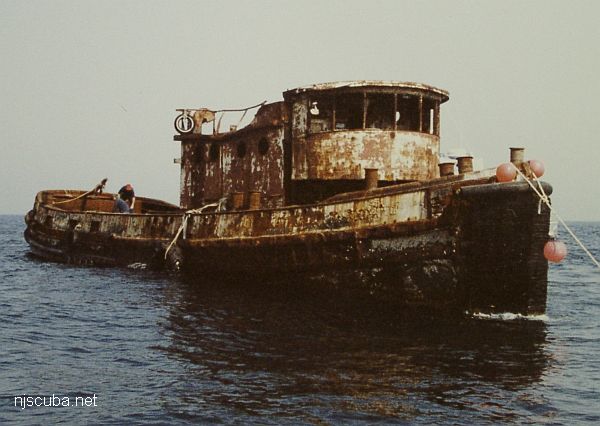
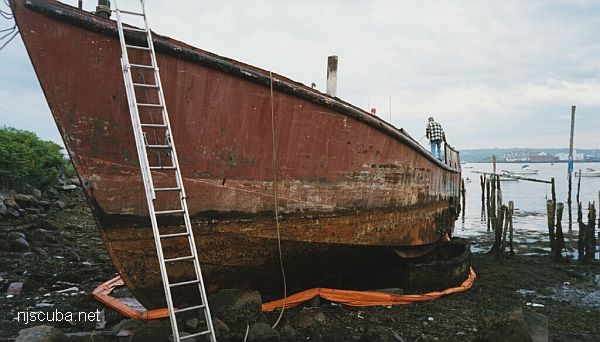
Troy reef
Type:
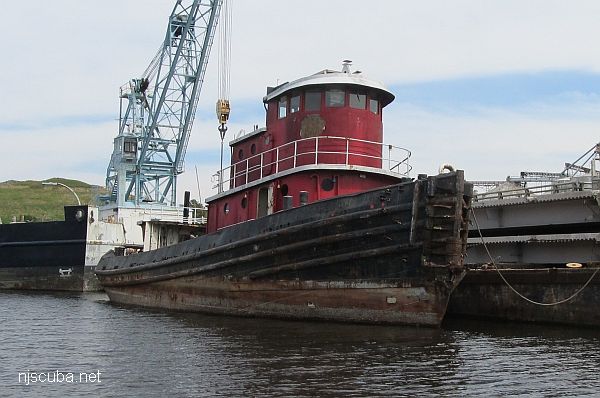
artificial reef, tugboat, USA
Built:
1955, Matton Shipyard, Cohoes NY USA as Matton
Specs:
( 90 x 20 ft )
Sponsor:
Joe Williams, Ocean City Marlin & Tuna Club, Atlantic County Party & Charter Boat Association
Sunk:
Friday April 27, 1990 - Atlantic City Artificial Reef
GPS:
39°15.290' -74°14.060'
Depth:
75 ft

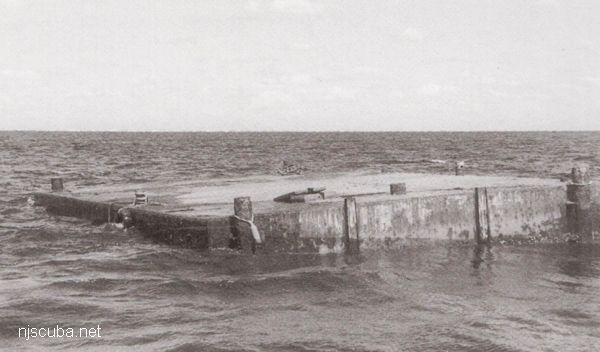
Tuna Sub reef
Type:
artificial reef, barge
Built:
circa 1990, NY USA
Specs:
( 42 x 22 ft )
Sponsor:
Forked River Tuna Club
Sunk:
Tuesday May 21, 2002 - Barnegat Light Artificial Reef
GPS:
39°45.973' -74°01.459'


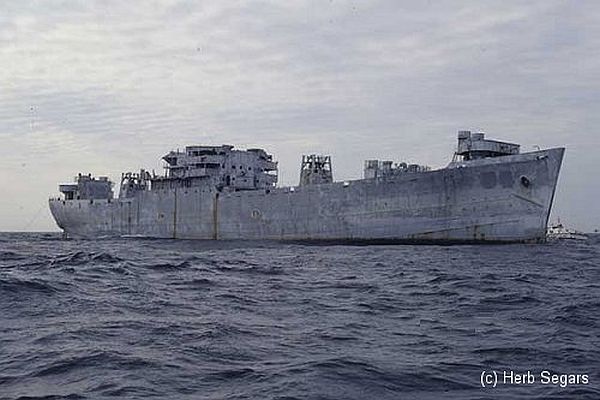
USS Algol reef
The Algol just prior to sinking, November 1991.
Type:
artificial reef, Andromeda class attack transport ( freighter ), U.S. Navy, also known as a "Victory Ship", although often incorrectly referred to as a Liberty Ship
Name:
One of a series of Navy transports named for stars;
Algol is a star in the constellation Perseus, also known as the Demon star.
Built:
1943, Moore Drydock, Oakland CA USA, as James Barnes
Specs:
( 459 x 63 ft ) 13910 displacement tons, 429 crew *
* this figure almost certainly includes embarked Marines
Sponsor:
Federal Aid in Sportfish Restoration
Sunk:
Thursday November 22, 1991 - Sea Girt Artificial Reef
GPS:
40°06.545' -73°41.450'
Depth:
145 ft +, starts at 70 ft, main deck at 110 ft

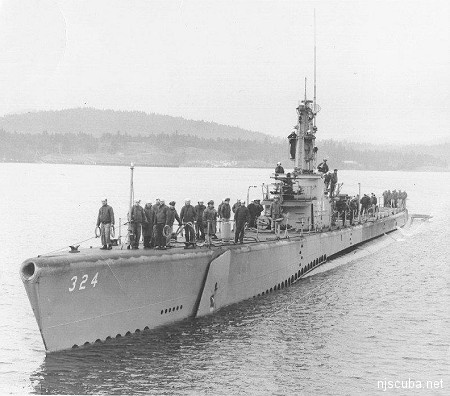
Shipwreck USS Blenny
The Blenny as she appeared during World War II.
Type:
shipwreck, Balao ( modified Gato ) class submarine, U.S. Navy
Built:
1944, Electric Boat Company, Groton, CT USA
Specs:
( 312 x 27 ft ) 1810 tons, no crew
Sunk:
Wednesday June 7, 1989
"Africa Queen" artificial reef, Maryland
Depth:
70 ft


Artificial Reef Sites

 1  24 25 26  27  

Oyster

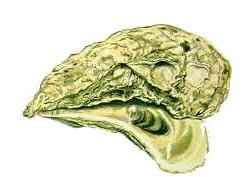
The Common Oyster Crassostrea virginica, to 10", is the basis of a major fishery, but they occur only in turbid brackish estuaries, conditions generally not conducive to scuba diving. Oysters once dominated the bottom fauna in our local rivers and bays, but are now all but extinct due to pollution and disease. Attempts are being made to reintroduce them in places, and perhaps someday even re-establish the fishery. Disease-resistant Asian Oysters may be the key to this.