Blackfish & Cunner
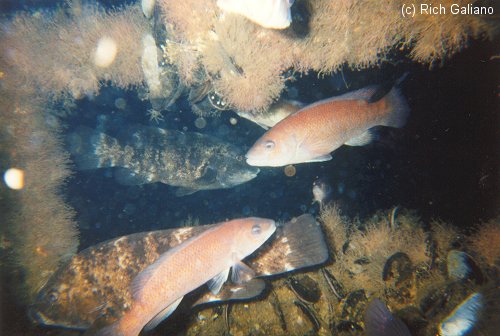
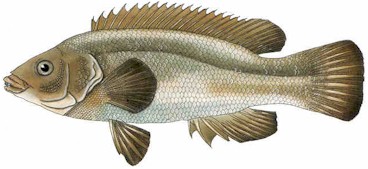
These fish are Wrasses, northern representatives of a widespread tropical family that includes Parrotfishes. Wrasses propel themselves slowly and precisely with their pectoral fins, using the tail only in emergencies. Tropical Wrasses feed on coral. Lacking this, their northern cousins feed primarily on mussels and other shellfish.
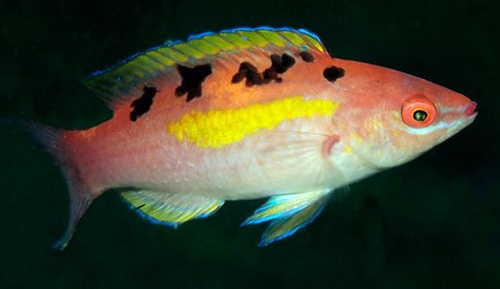
People pay big money to see fish like this in the tropics. We have them right here!
US Fish & Wildlife Service Species Profile
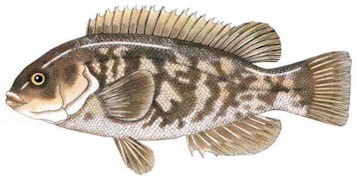
Tautoga onitis
Profile by Peter J. Himchak
Supervising Biologist,
Marine Fisheries
Range:
Tautog are distributed along the northeast Atlantic coast of North America from the outer coast of Nova Scotia to Georgia. Greatest abundances are found from Cape Cod to the Chesapeake Bay. North of Cape Cod, they are usually found close to shore ( within 4 miles ) in water less than 60 feet deep. South of Cape Cod, they can be found up to 40 miles offshore and at depths up to 120 feet.
More: Blackfish ...
- Sea Basses & Porgies ...
- Blackfish & Cunner ...
- Cods & Allies ...
- Triggers, Puffers, & Sunfish ...
- Flounders ...
- Drums ...
- Ocean Bottom ...
- Baitfishes ...
- River & Inlet ...
- Pelagics ...
- Tropical Fishes ...
- Sharks - Inshore ...
- Sharks - Offshore ...
- Sharks - Dogfishes ...
- Skates & Rays ...
More: Marine Fishes ...
Fish
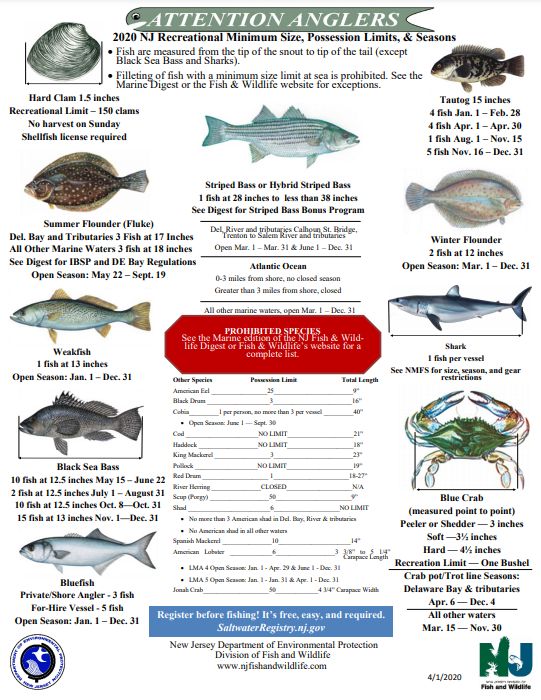
New Jersey now requires registration for saltwater fishing, including lobsters. Registration is free and can be done online at nj.gov/dep/saltwaterregistry.
This listing is for New Jersey waters only - if you cross into New York or Delaware, or Federal waters ( more than 3 miles offshore, ) you are subject to their regulations. Federal regulations supersede state regulations whenever stricter.
Lobster
More: Fishing Regulations ...