
Shrewsbury Rocks
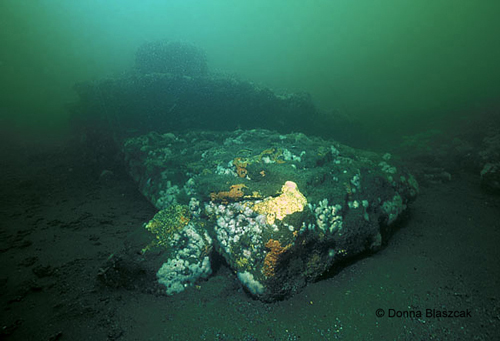
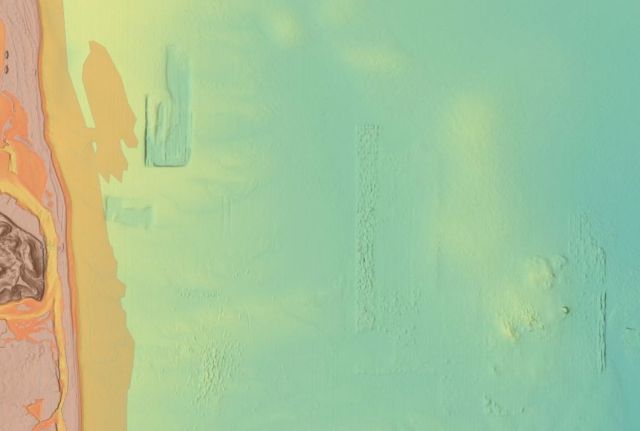
The Shrewsbury Rocks are a wide area of rocky bottom that stretches from fourteen feet of water out to the fifty-foot mark off of Monmouth Beach. Some of the formations are twenty feet tall or more and can be very pretty under good conditions, which are unfortunately seldom this far north. The stone itself is a type of sandstone known as Greensand.
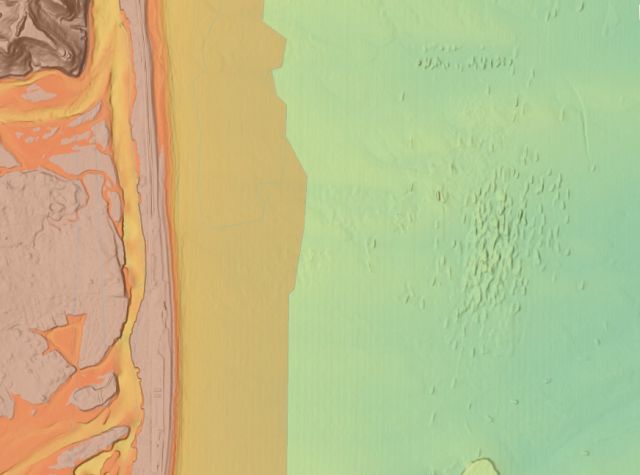
Further south are the Elberon Rocks ( or Grounds. ) This is a wide expanse of somewhat lower rocks and rough bottom. Much lower outcroppings occur even further south, such as the Klondike Rocks.
from AWOIS: 1538
FE331SS/89 -- OPR-C147-HE-89; CONTACT #12 FROM ABOVE SURVEY; DIVERS FOUND A LARGE ROCK THAT WAS COVERED WITH CORAL AND OTHER SEA LIFE, AND HUNDREDS OF LEAD FISHING WEIGHTS; SURROUNDING BOTTOM WAS SAND; ROCK HAS A VERY STEEP NORTH FACE AND, AT THAT POINT, RISES ABOUT 8 FT OFF THE BOTTOM; PNEUMATIC DEPTH GAUGE LEAST DEPTH OF 46 FT. (UPDATED MSD 7/91)
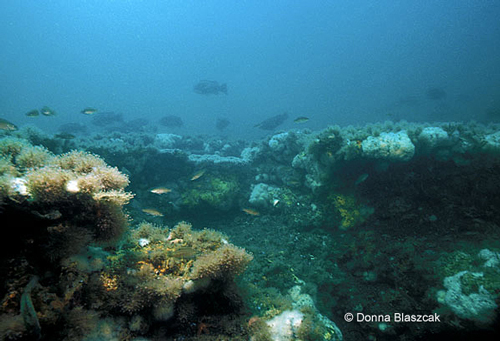
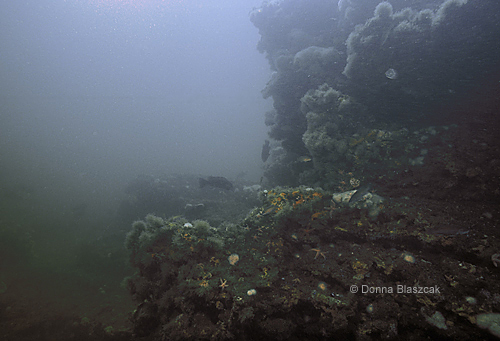
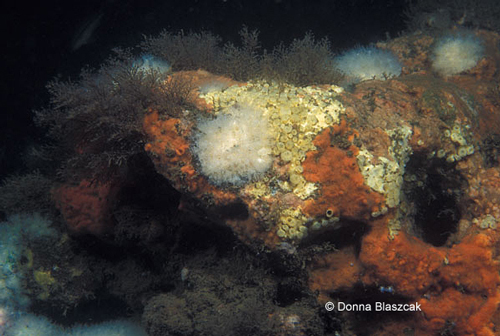
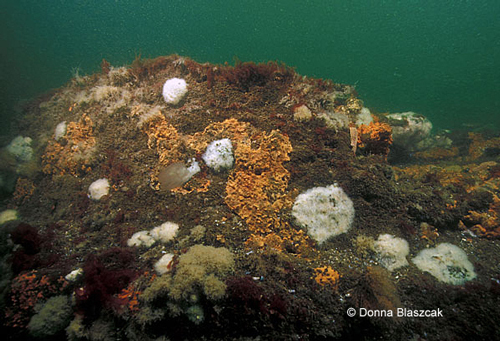
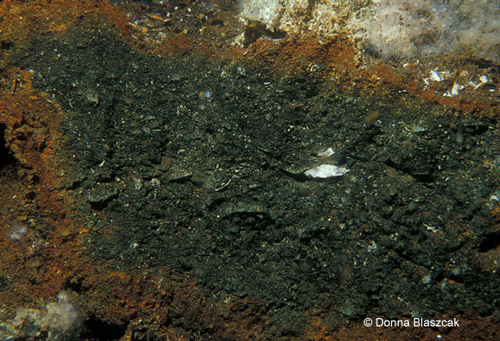
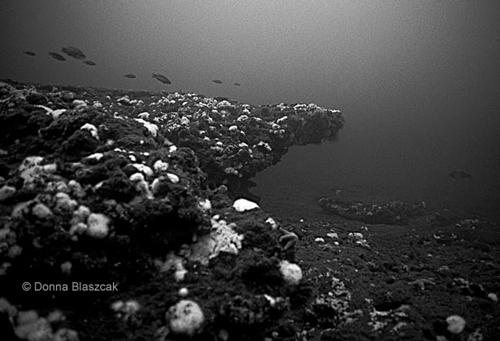
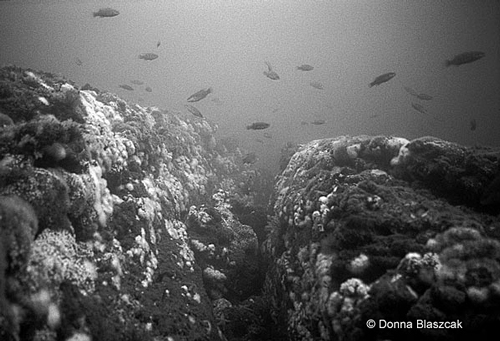
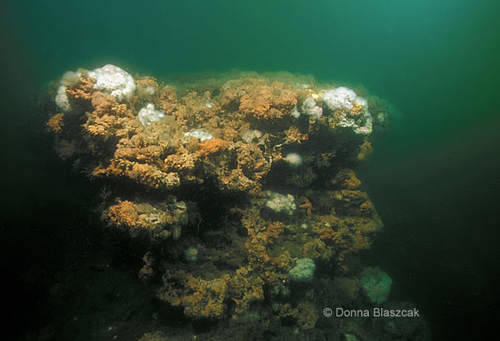
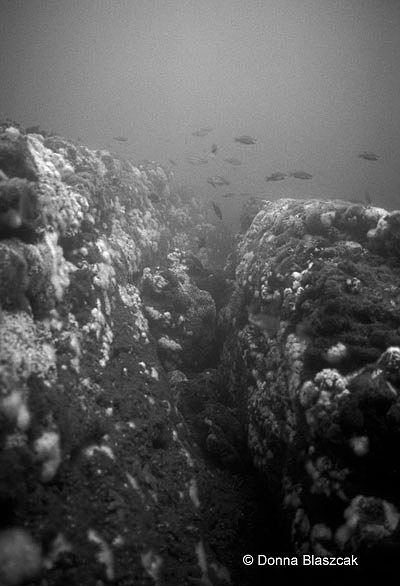
George Washington is reported to have fished the Shrewsbury Rocks, and on any nice day you can easily make out the location of the rocks from high on Twin Lights by the concentration of boats there. The Shrewsbury Rocks are tall enough in places to merit not just one but two navigation buoys.
Images courtesy of
Donna L. Blaszcak
uwimages@earthlink.net
Nature Photographer
Dive Sites, Long Island West Dive Sites, New Jersey Dive Sites, Sandy Hook Dive Sites,
Sandy Hook / Rockaway Inlet Chart
- Barge #10
- 120 Wreck
- 3 Sisters
- Ambrose Buoy
- A Street - Shark River
- Acara
- Across
- Adele
- Ajace
- Alex Mac
- Allenhurst Jetty
- Antioch
- Arnoff
- Arundo
- Asfalto
- Aurora
- Ayuruoca
- BA Wreck
- Shark River - Back Bay
- Balaena
- Bald Eagle
- BD1738
- USS Benson
- Beth Dee Bob
- Blue Boy
- Bronx Queen
- Bug Light
- Charles Dunlap
- Cecilia M Dunlap
- Catherine Jackson
- Chauncy Jerome
- Cornelia Soule
- Choapa
- coal (Lido)
- Continent
- crane barge
- Daghestan
- Dragger
- drydock
- Dryland
- Edwin Duke / Stone Barge
- dump
- Dutch Springs
- Edmund Phinney
- East Rockaway Inlet
- Ed's Schooner
- Elberon Rocks
- Eureka
- Finance
- Fort Victoria
- German
- GL78
- Glen II
- I.P. Goulandris
- Gypsy
- Horseshoe Cove
- Alexander Hamilton
- Howard
- Iberia
- Immaculata
- Inshore Schooner
- Jack I
- Joan La Rie III
- Jones Inlet
- Jones Tug
- Klondike Rocks
- Larsen
- Lizzie D
- Long Branch locomotives
- Logwood
- H.W. Long
- Macedonia
- Mahogany
- Malta
- Manasquan Inlet
- Margaret
- Marion
- Mistletoe
- R.C. Mohawk
- Manasquan Wreck
- Nautilus
- Navesink River
- Northeast Sailor
- New Reef
- New Deal
- New Era
- HMS Pentland Firth
- Long Branch Pier Rubble
- Pinta
- Pipe Barge
- Pliny
- Plymouth
- Pocopson
- Princess Anne
- Ruth Shaw
- Robert A Snow
- Ramos
- Ranger
- Relief Lightship
- Rickseckers
- Rjukan
- Rockaway Inlet
- Rockaway Belle
- Round Valley
- Roy's barge
- Rudder Wreck - Pocono
- Rusland / Adonis
- Scotland Buoy
- Sandy Hook Pilot Boat
- SC-60
- Sea Girt Inlet
- Sea Girt Wreck
- Shark River Inlet
- Shrewsbury Rocks
- Spring Lake Sailor
- Steel Wreck
- Stolt Dagali
- Sylvanus
- Tampa III
- USS Turner
- AWOIS 8087
- AWOIS 8097
- u11
- AWOIS 7509
- AWOIS 7932
- AWOIS 9768
- AWOIS 12966/11422
- AWOIS 1609
- AWOIS 8084
- AWOIS 7940
- AWOIS 7938
- AWOIS 8076
- AWOIS 4600
- AWOIS 8075
- Valerie E
- Vega
- Warrior
- Delaware River Water Gap
- Western World
- Edward W Winslow
More: Sandy Hook Dive Sites Chart ...
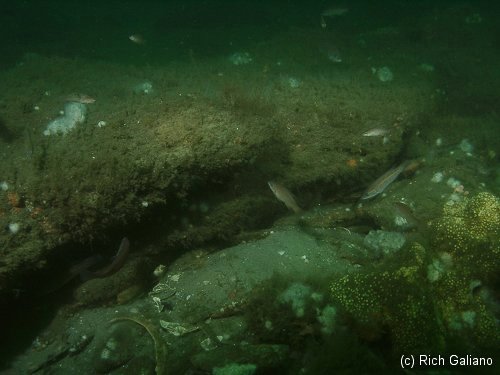
more than two feet above the bottom. Cunners
These low outcroppings appear in small to large patches over a two-mile area called the Klondike, and elsewhere, at depths ranging from 60 to 90 feet. The overhangs, crags, and holes afforded by the piles of rocks and boulders provide excellent homes for fish and lobsters. Visibility can be great here at times, but it is usually 10-20 ft, with a silty bottom in most places. The larger areas extend for many hundreds of feet, and an incautious diver can easily get lost. The stone itself is a type of sandstone known as Greensand, which occurs along the northern part of the New Jersey coast, and parts of Long Island, most famously as the Shrewsbury Rocks.
More: Klondike Rocks ...
Long Island - Central Chart
- 3 Sisters
- 3/4 Tug
- 59-Pounder
- Acara
- Across
- Arnoff
- Arundo
- Asfalto
- Ayuruoca
- BA Wreck
- Balaena
- Bald Eagle
- USS Benson
- Beth Dee Bob
- Blue Boy
- Burnside
- Catamount
- Choapa
- coal (Lido)
- Coastwise
- Continent
- Dodger
- Dragger
- Drumelzier
- drydock
- Edwin Duke / Stone Barge
- dump
- East Rockaway Inlet
- Eureka
- Fire Island Inlet
- Gate City
- Gluckauf
- I.P. Goulandris
- Gypsy
- Happy Days
- Harvey's Schooner
- Howard
- Hylton Castle
- Iberia
- Immaculata
- Irma C
- Jones Inlet
- Jones Tug
- Kenosha
- Kismet Artificial Reef
- Larsen
- Linda
- Lizzie D
- Margaret
- R.C. Mohawk
- Moriches Inlet
- Old Yankee
- Oregon
- Pipe Barge
- Ponquogue Bridge
- Ruth Shaw
- Reggie
- Rockaway Belle
- Roda
- USS San Diego
- SC-209
- Sea Wolf
- Shinnecock Inlet
- Sommerstad
- Steel Wreck
- Stolt Dagali
- USS Tarantula
- Train Wheel
- Valerie E
- Wolcott
- Yankee (G+D)
- Yellowbar Artificial Reef
More: Long Island Central Dive Sites Chart ...
Sandy Hook Artificial Reef
1.6 nautical miles off Sea Bright, 1.76 sq miles
Depth: 40-60 ft [download]
More: Sandy Hook Artificial Reef ...
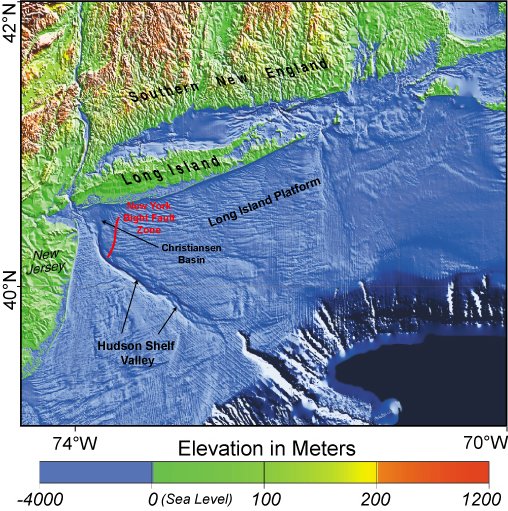
With rare exceptions, scuba diving is a bottom-fixated activity. In the region covered in this website, one may encounter many different bottom types, from rocky pinnacles around Block Island to white sands off Cape May to mud and oyster beds in any estuary. This variation is far greater and more interesting than is found in the tropics. Here is some explanation of what bottom compositions are found where and why:
More: Bottom Composition ...
Questions or Inquiries?
Just want to say Hello? Sign the .