Dive Sites (33/46)

Dive Sites - pick your starting point

 Page 1  32 33 34  46  

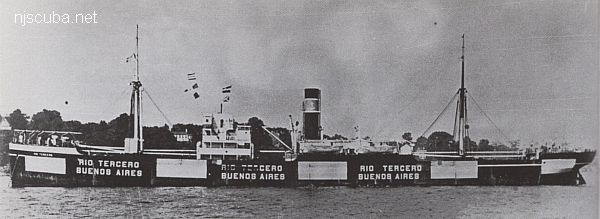
Shipwreck Rio Tercero
Type:
shipwreck, freighter, Argentina
Built:
1912, England, as Fortunstella
Specs:
( 405 x 54 ft ) 4864 gross tons
Sunk:
Monday June 22, 1942
torpedoed by U-202 - 5 casualties
Depth:
400 ft ?


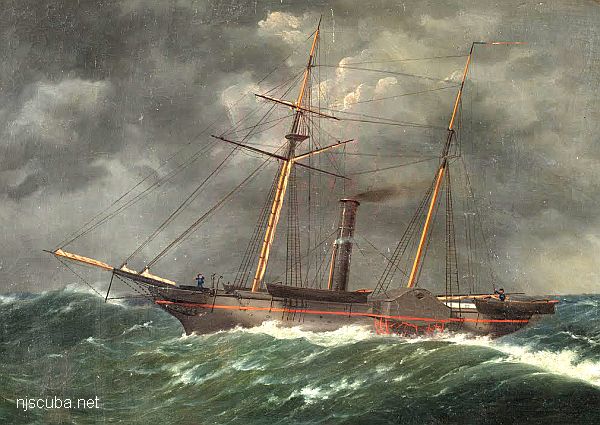
Rjukan

Type:
shipwreck, sailing ship, Norway
Specs:
( 160 ft ) 960 tons, 20 crew
Sunk:
Tuesday December 26, 1876
ran aground in bad weather - no casualties
Depth:
25 ft

low scattered wooden debris, 200 yards offshore


Type:
shipwreck, schooner, USA
Built:
1886, Rockland ME USA
Specs:
( 225 x 37 ft ) 1556 tons
Sunk:
February 8, 1899; unknown
Depth:
23 ft

aka "Derrick Barge"


At Point Pleasant, 1981

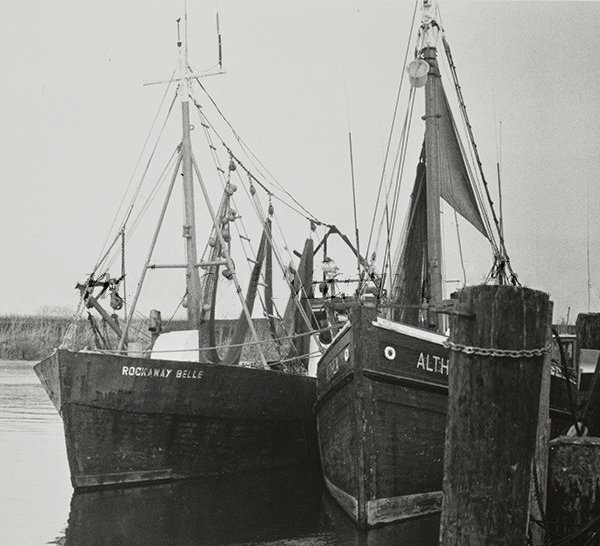
Rockaway Belle is listed as Army tug-transport T-1, built by Simms Brothers, Dorchester MA, 1942. 'T-boats' were 65-foot, 45 ton diesel-powered, passenger-cargo boats that doubled as harbor tugs. 170 of them were constructed during WWII, and many more afterwards. From 1940 through 1951 all T-Boats were built of wood, thereafter steel. Rockaway Belle was T-1 of the T-1 class, sold as surplus in 1947.

Rockaway Belle sank some time after 1977, there is a record of her active then.


Rockaway Inlet


Rockaway Artificial Reef

1.6 nautical miles south of Rockaway Beach, 1.00 sq miles
Depth: 32 - 40 ft


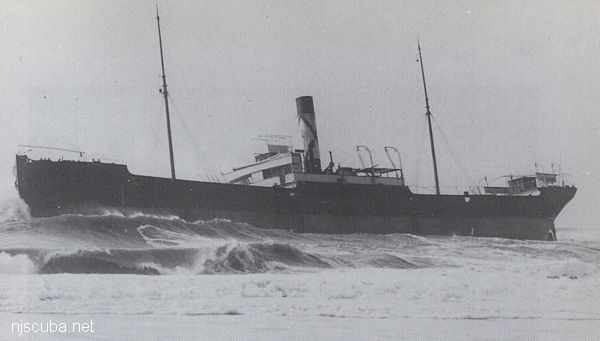
Shipwreck Roda
Type:
shipwreck, freighter, England
Built:
1897, England
Specs:
( 315 x 44 ft ) 2516 gross tons
Sunk:
Thursday February 3, 1908
ran aground in heavy fog - no casualties
Depth:
20 ft

debris field, bow, stern, boiler


Round Valley Reservoir
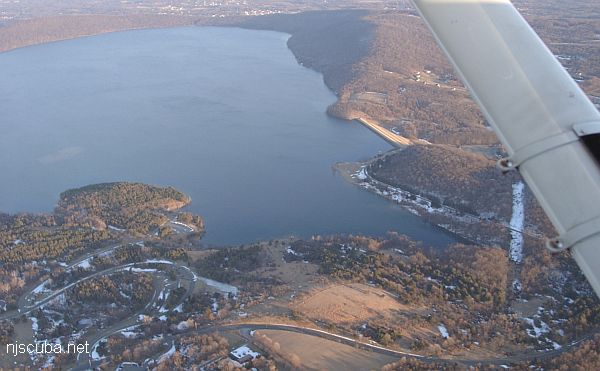
Looking roughly southeast, with the diving cove in the foreground. The natural basin of the valley is evident, as well as one of the two dams, at right. The water level looks pretty high, with a little snow on the ground.
Type:
freshwater artificial reservoir
Depth:
180 ft, but less than 60 ft in the usual area


schooner barge
A beached schooner barge. Compare the hull form with a square barge.

The schooner barge was the final development of the working sailing ship. The design originally evolved in the 1870s on the Great Lakes, where it was found that sailing ships could be more profitably towed from place to place than sailed. No longer subject to the vagaries of the wind, such trips could be made on a scheduled basis, and with reduced labor costs. The idea spread into general use, resulting in the conversion of many sailing ships into barges. Ironically, most of the vessels that were converted to schooner barges were not actually schooners, but square-rigged ships. Square-riggers, with their large and expensive crews of skilled sailors, became uneconomical to operate in the face of ever-improving steam power, while more efficient schooners managed to compete for a few years longer.