Cape May Dive Sites (8/9)

Cape May Chart

 1  7 8 9  

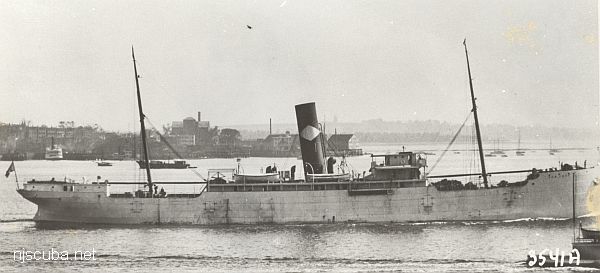
Type:
shipwreck, iron-hulled screw steamer
Built:
1878, Scotland, as Clan Ranald
Specs:
( 305 x 34 ft ) 2008 gross tons
Sunk:
Tuesday June 4, 1901
foundered when cargo of asphalt melted and shifted - no casualties
Depth:
40 ft


Type:
shipwreck, schooner barge
Built:
1900
Specs:
703 tons, 3 crew
Sunk:
Sunday April 3, 1932
- no survivors
Depth:
55 ft


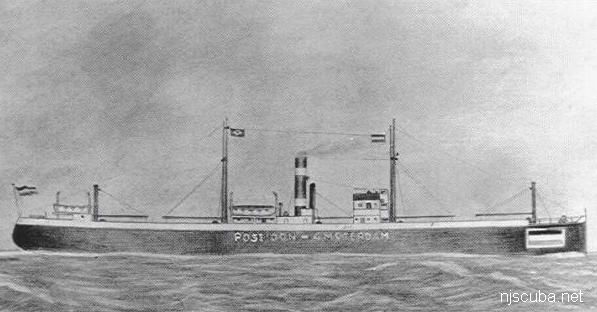
Shipwreck San Jose
Type:
shipwreck, freighter, USA ( United Fruit Company, now Chiquita )
Built:
1904, Ireland
Specs:
( 330 x 44 ft ) 3358 gross tons, 35 crew
Sunk:
Saturday January 17, 1942
collision with C2-class freighter Santa Elisa - later torpedoed by U-123 - no casualties
Depth:
100 ft

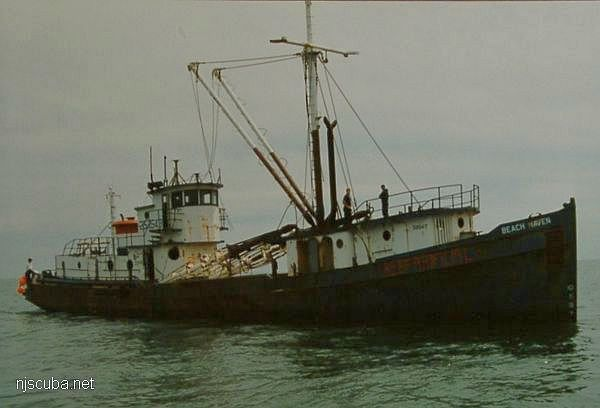
Sea Girt was sister to Beach Haven
Type:
shipwreck, clam dredge, USA
Built:
1949, RTC Shipbuilding, Camden NJ, USA
Specs:
( 120 ft ) 177 GT
Sunk:
August 1990
Depth:
65 ft

intact, upright, steel hull


Type:
shipwreck
Depth:
120 ft

A small steel wreck, greatly decomposed.

Possibly the remains of the Oklahoma.


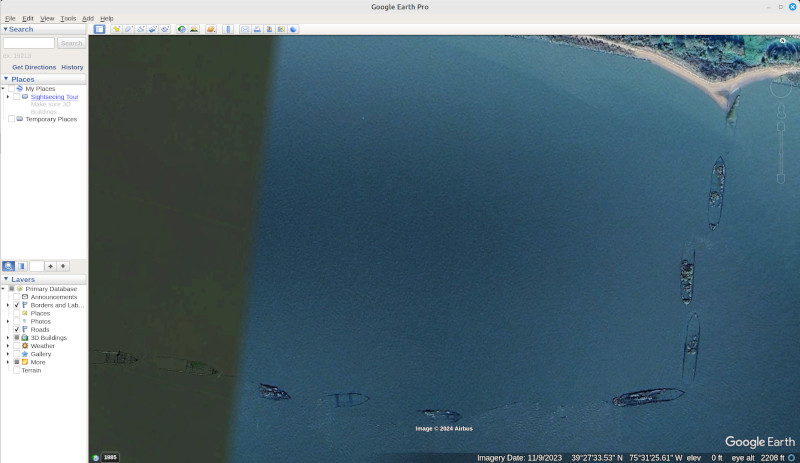
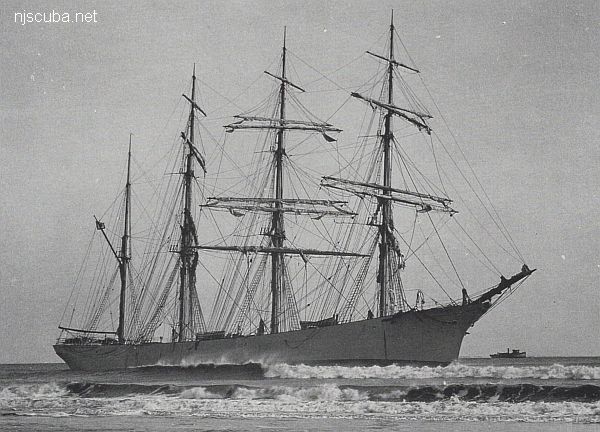
Shipwreck Sindia
Type:
shipwreck, sailing ship, USA
Built:
1887, Ireland
Specs:
( 329 x 45 ft ) 3068 gross tons, 34 crew
Sunk:
Sunday December 15, 1901
ran aground in storm - no casualties
Depth:
0-5 ft depending on the tide

Type:
rock pile
Depth:
60 ft

field of huge granite slabs


Type:
shipwreck
Depth:
120 ft

A large steel wreck, partially intact.

Possibly the remains of the Kennebec.


Cape May Dive Sites

 1  7 8 9  

Sand Lance

Ammodytes americanus

Size: to 8"

Habitat: inshore waters, from surface to bottom

Notes: The Sand Lance is an important link in the marine food chain. It is a major part of the diet of many commercially important fishes, as well as whales and seals. Sand Lances form huge schools to feed on phytoplankton and have the ability to dive into the bottom sediments to escape predators. I have never seen a live one, but they are common in the bellies of other fishes that you may catch.