Cape May Dive Sites (6/9)

Cape May Chart

 1  5 6 7  9  

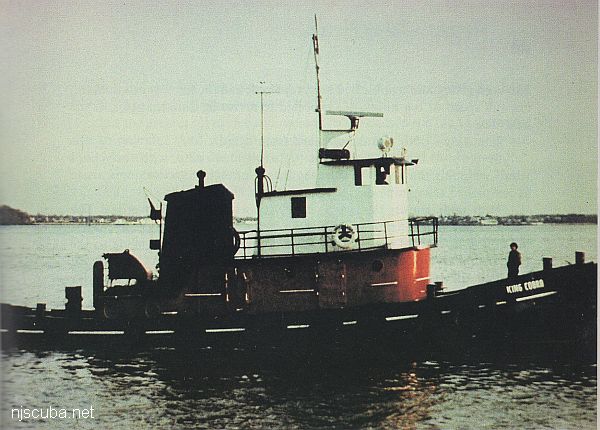
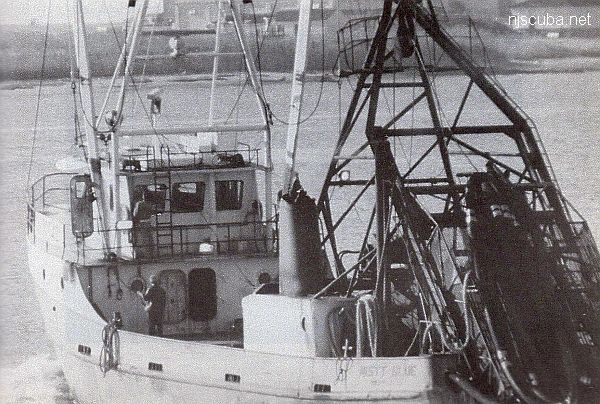
Shipwreck King Cobra
Type:
shipwreck, tugboat, USA
Built:
1887, Philadelphia PA USA, as Beverly Francis
Specs:
( 67 x 16 ft ) 52 gross tons, 4 crew
Sunk:
Wednesday January 3, 1979
unknown cause - no survivors
Depth:
45 ft


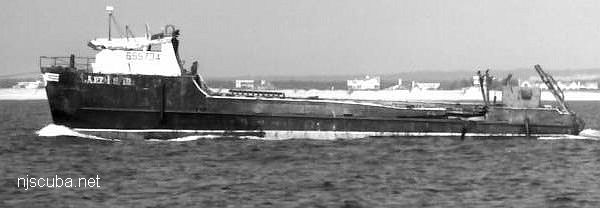
Shipwreck Lemuel Burrows
Type:
shipwreck, collier, USA
Built:
1917, New York Shipbuilding, Camden NJ USA, as Deepwater
Specs:
( 437 x 63 ft ) 7610 gross tons, 34 crew
Sunk:
Saturday March 14, 1942
torpedoed by U-404 - 20 casualties
Depth:
80 ft

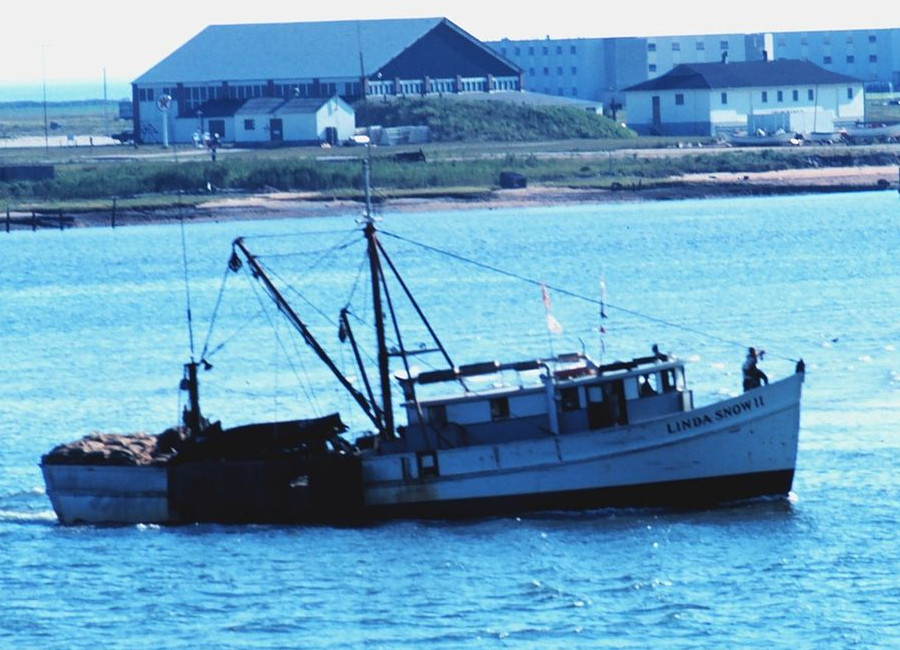
"Deploying a clam dredge in nearshore waters, New Jersey, Cape May."
Date: May 1968
Type:
shipwreck, clam dredge, USA
Built:
1962, St Augustine, FL USA
Specs:
( 66 x 18 ft ) 74 gross tons
Sunk:
Monday, Jan 16, 1978
capsized

Little Egg Artificial Reef

4.0 Nautical Miles off Holgate, 2.05 sq miles
Depth: 50-60 ft [download]


Brigantine Inlet


Type:
shipwreck, sailing ships
Sunk:
Sunday April 16, 1854
foundered in storm
Depth:
35 ft

The packet ship Manhattan sank with eight of her nine crew. In the same storm, the 200 ft schooner Powhattan was also lost nearby, with over 350 immigrants on board and no survivors. Neither wreck has been positively identified, although there are several candidates, including one old wooden hull buried up to the gunwales in the sand.


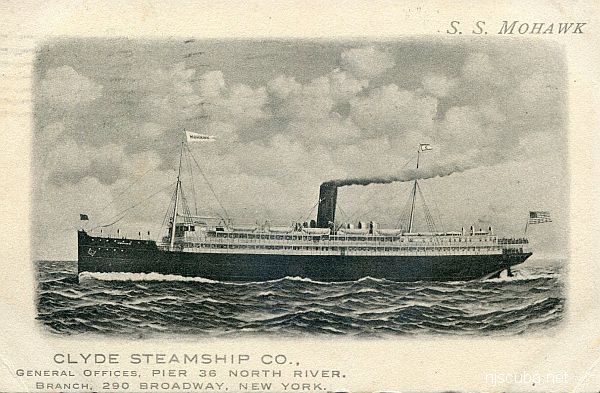
Shipwreck SS Mohawk
Not to be confused with the other S.S. Mohawk or the R.C. Mohawk.
Type:
liner, Clyde Line, USA
Name:
A tribe of Iroquoian Indians of the eastern New York area.
Built:
1908, Cramp Shipbuilding, Philadelphia PA USA
Specs:
( 367 x 48 ft ) 4623 tons, 290 passengers & crew
Sunk:
Thursday January 1, 1925
burned in a storm - no casualties
GPS:
40°25.025' -73°45.158' (AWOIS)
Depth:
25 ft

Shipwreck Montgomery
Type:
shipwreck, steamer, USA
Built:
1858, Westervelt & Son, New York NY USA
Specs:
( 198 x 29 ft ) 1100 gross tons
Sunk:
Sunday January 7, 1877
collision with schooner Seminole - 13 casualties
Depth:
150 ft

Cape May Dive Sites

 1  5 6 7  9  

stop

Here is a description of recreational dive planning. The purpose here is to demonstrate basic dive planning and use of Dive Tables for non-divers who are interested in becoming certified but are worried about the complexities and math involved. Learning to use dive tables is usually the single most daunting classroom task for a student diver. It's really not all that hard.

The purpose of dive planning is to manage the Nitrogen gas that is absorbed into the tissues of your body while breathing air at higher-than-normal pressures underwater. If you absorb too much Nitrogen at depth and then ascend to normal atmospheric pressure, the gas will form bubbles in your blood and tissues. This is called Decompression Sickness, commonly known as "the bends." Decompression Sickness can vary in severity from barely noticeable to fatal, depending on your dive profile and other factors. The goal of no-decompression dive planning is to plan your dives in advance so that under no circumstances* can ascending to the surface result in Decompression Sickness.