
16-Fathom Artificial Reef
13 nautical miles southwest of Fire Island Inlet, 1.33 sq miles
Depth: 85 to 103 feet
More: Sixteen Fathom Artificial Reef ...
Dive Sites - New York
More: New York Dive Sites ...
16-Fathom Artificial Reef
13 nautical miles southwest of Fire Island Inlet, 1.33 sq miles
Depth: 85 to 103 feet
More: Sixteen Fathom Artificial Reef ...
Smithtown Artificial Reef
1.6 nautical miles northwest of Stony Brook Harbor, 0.05 sq miles
Depth: 30 - 40 ft
More: Smithtown Artificial Reef ...
More: Snug Harbor ...
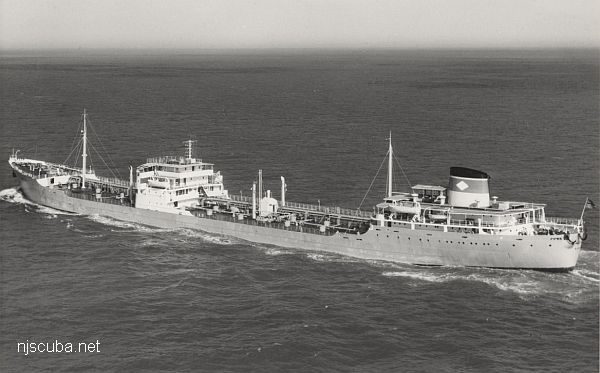
More: Stolt Dagali ...
More: Tennyson ...
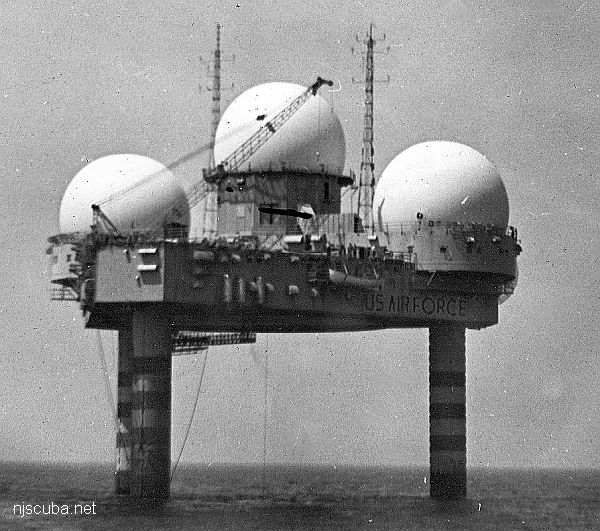
More: Texas Tower TT-4 ...
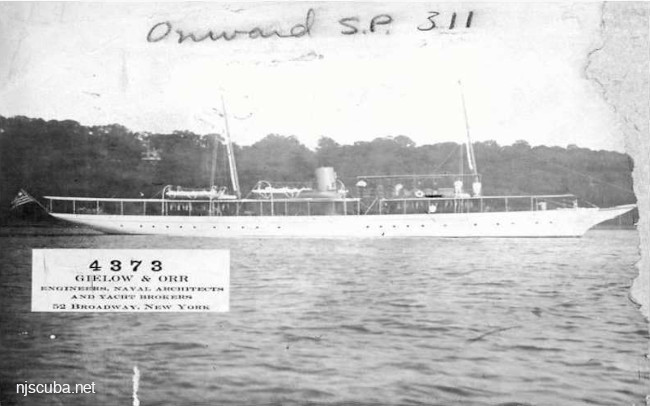
More: Thelma Phoebe ...
The "Three Sisters", as she is called, is an unidentified wooden-hulled vessel. She sits in 80 ft of water some 13 miles south of Atlantic Beach Inlet. She sits on a sandy bottom, spread out over a small area. Her boiler and a 4 bladed propeller are still visible. Wooden beams and planking spread out from the boilers aft towards the propeller. Occasionally some artifacts are found, mostly brass fittings. This is generally a decent wreck for lobsters and spearfishing. This wreck is in a main shipping channel, and large vessels make large wakes, so secure all gear.
More: Three Sisters ...
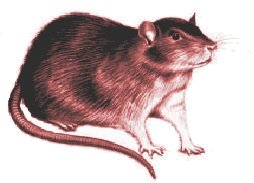
Rattus norvegicus
Size: 6-8" (body)
Habitat: everywhere
Notes:
Sorry to say, but rats are especially common around watery habitats and are excellent swimmers. They are particularly fond of beaches, marshes, ships, docks, and jetties. The next time you go diving at Shark River, take a careful look in the rocks and you will likely see one or two scampering around, dining on old fishing bait and washed-up detritus, even in broad daylight. The Norway Rat is introduced from the Old World, and in most areas today it is more common than the native Black Rat.
More: Norway Rat ...