Panther

Shipwreck Panther
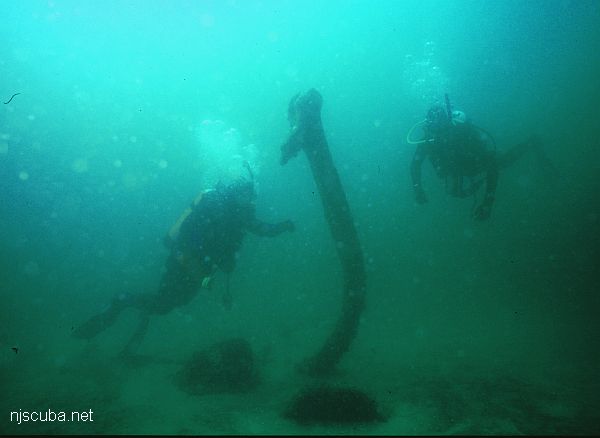
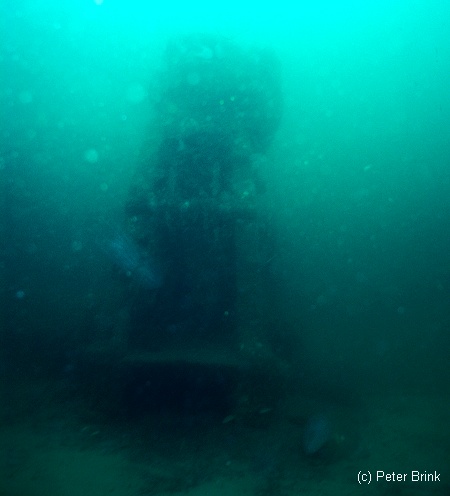
This appears to be a lifeboat davit
Type:
shipwreck, tugboat, USA
Built:
1870, USA
Specs:
( 191 x 36 ft ) 712 tons, 20 crew, including barge crew
Sunk:
Wednesday August 24, 1893
foundered in storm - 17 casualties
Depth:
55 ft

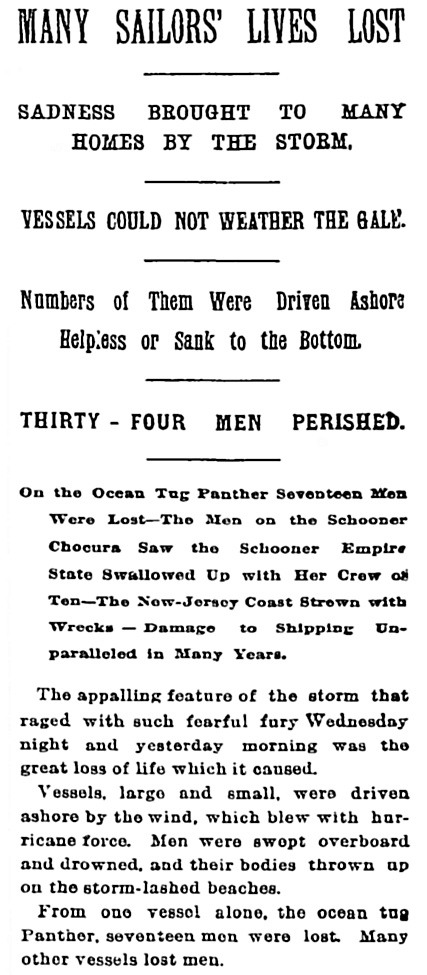
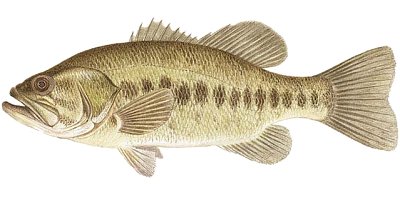
The Panther was a 110-foot ocean-going tug with barges in tow. She went down in a severe storm. She is loaded with anemone growth and provides a home for myriad forms of marine life. Fluke, tog, pollock, flounder, bergalls, porgy, sea bass, striped bass, and even cod have been seen and taken here in season. Along with these creatures, lobsters and other crustaceans find their homes in and around where the hull meets the sand. All in all, this is an excellent dive.
Shipwreck Panther
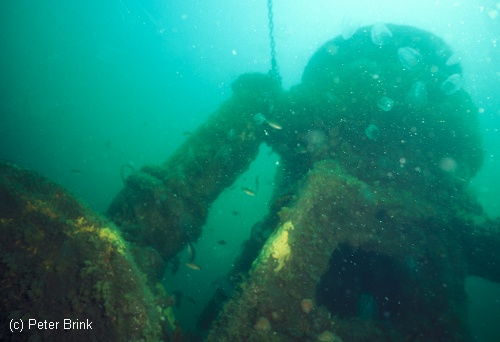
The steam engine
Shipwreck Panther
Shipwreck Panther New York Times

Comments on Panther

Questions or Inquiries?

Just want to say Hello? Sign the .

Submit a Comment

Your email address will not be published. Required fields are marked *


Click image to replace if unable to read.

Enter the digits from the image above, except for the last one:

This site uses Akismet to reduce spam. Learn how your comment data is processed.


Zebra Mussel

Dreissena polymorpha

Size: to 2"

Habitat: grows profusely on any solid surface

Zebra Mussel

Notes: Zebra Mussels were introduced into the Great Lakes in the mid-eighties from the Caspian Sea region of Eurasia. They probably arrived as larvae in the ballast water of visiting ships. Since then, they have been having a regular party - spreading like wildfire and often covering every available hard surface, including each other. This wreaks havoc with power-plant cooling systems and municipal water supplies, where masses of the tiny bivalves clog pipes and water intakes. The mussels also radically alter the native lake ecology by efficiently filtering nutrients from the water. This does have one positive effect for divers, however. Apparently, the Great Lakes and surrounding waters have never been cleaner or clearer.