New York Dive Sites (7/15)

Dive Sites - New York

 1  6 7 8  15  

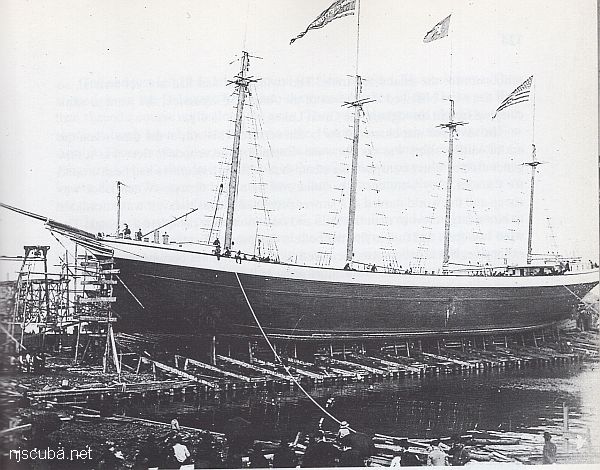
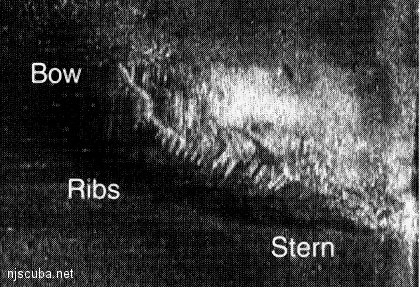
Shipwreck Inshore Schooner
side-scan sonar image
Type:
shipwreck, schooner
Sunk:
circa 1860; cause unknown
Depth:
35 ft

low wood debris field, bottles, coconut shells


Type:
shipwreck, schooner
Depth:
105 ft

The Irma C, an old coal barge, rests a few miles east of the G&D wreck. Her remains have been reduced to a small low-lying patch of wreckage, so that fishing or dive boats may find it a little tricky to anchor on her.


Type:
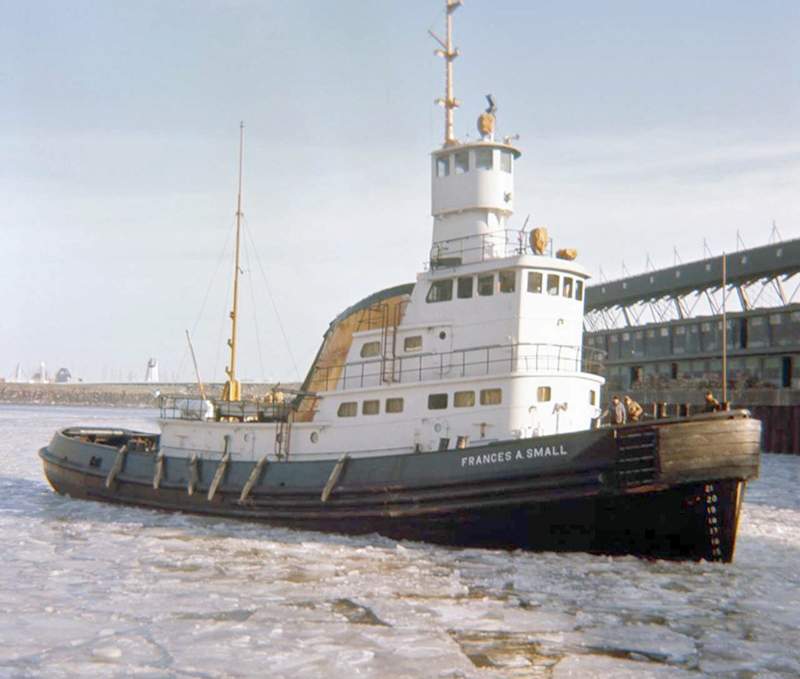
shipwreck, tugboat, USA
Type:
Fraser Shipyards, Superior, WI as Frances A. Small
Specs:
( 113 x 31 ft, 850 tons ) 8 crew
Sunk:
Sunday March 3, 1985
collision with one of its own barges - no casualties
Depth:
230 ft


Jones Inlet


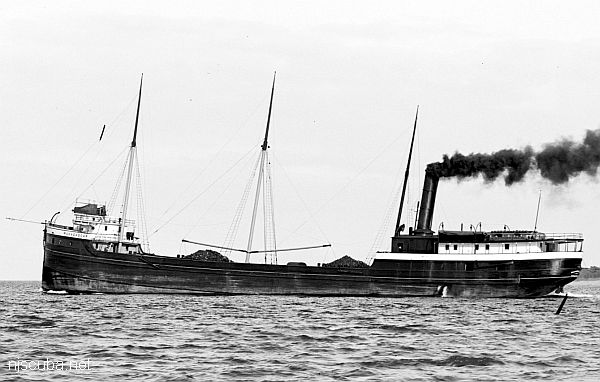
Shipwreck Kenosha
Type:
shipwreck, collier, USA
Name:
Kenosha, the seat of Kenosha County, is a city in southeastern Wisconsin on Lake Michigan.
Built:
1894, Davidson Shipbuilding, West Bay City MI USA, as Madagascar
Specs:
( 244 x 37 ft ) 1677 gross tons, 12 crew
Sunk:
Saturday July 24, 1909
foundered in storm - no casualties
Depth:
100 ft

Kismet Artificial Reef


120 yards north of South Beach, 0.01 sq miles
Between Kismet and National Seashore dock
This reef is very close to land, it could even be a shore dive
Depth: 16 - 25 ft


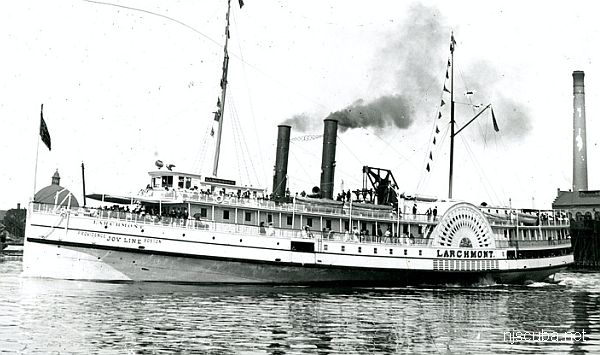
Shipwreck Larchmont
Type:
shipwreck, steamer, USA
Built:
1885, Goss & Sawyer, Bath ME USA
Specs:
( 252 x 37 ft ) 1605 tons, 351 passengers & crew
Sunk:
Monday February 11, 1907
collision with schooner Harry Knowlton - 334 casualties
Depth:
140 ft

huge paddlewheels; wooden hull draped with fishing nets; hazardous currents & poor viz.


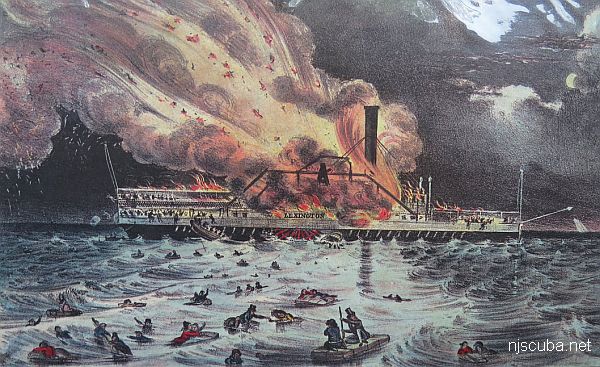
Shipwreck Lexington
Type:
steamer, USA
Built:
1835, Jeremiah Simonson, New York NY USA
Specs:
( 207 x 21 ft ) 488 gross tons, 165 passengers & crew
Sunk:
Monday January 13, 1840
fire - 4 survivors
Depth:
125 ft - 150 ft


New York Dive Sites

 1  6 7 8  15  

The proper way to fill a scuba cylinder is very slowly so that the heat generated by the filling process can be bled away as it happens, and the tank does not become overheated. That's a great theory, but in real life, nobody does it that way. Most tanks are "hot-filled", that is to say, that they are filled too fast to prevent them from heating up during the process. If they are filled directly off a compressor, then they will receive a very hot fill. You would be surprised how warm the surface of a tank can get. This is not much of a safety issue, though, as it is well within the thermal limits of the material, either aluminum or steel.

The real issue here is that eventually ( after a few hours ) the tank will cool down, and as it does, the air inside will contract, and the pressure will drop. This typically results in about a 10% loss of pressure. At this point, you could top it off to the rated pressure again and have a truly full tank. Most of the time that's not an option. Therefore, if the shop hot-fills your tank to 3000, you will end up with 2700. To get 3000, you need to fill the tank to about 3300. While this is verboten, it is well within the 5/3 overpressure of the hydro test, and realistically there is no danger. The slight overpressure may wear out your o-rings a little faster, but o-rings are cheap - get a dozen of them at the hardware store for a buck.