New Jersey Dive Sites (11/31)

Dive Sites - New Jersey

 Page 1  10 11 12  31  


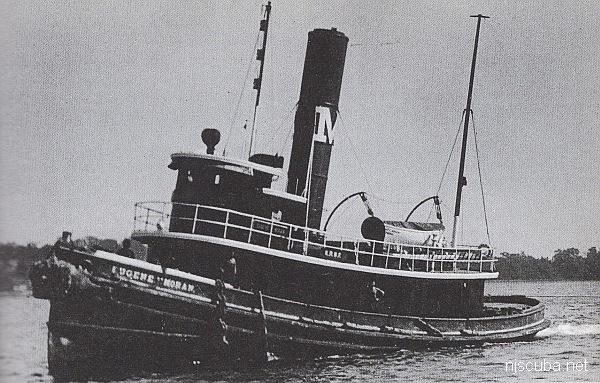
Shipwreck Eugene F. Moran
Note the tall skinny steam-engine stack
Type:
shipwreck, tugboat, USA
Built:
1902, Neafie & Levy, Philadelphia PA USA as Charles E. Matthews
Specs:
( 91 x 22 ft ) 164 gross tons, 11 crew
Sunk:
Sunday December 9, 1917
foundered in storm - no survivors
Depth:
25 ft

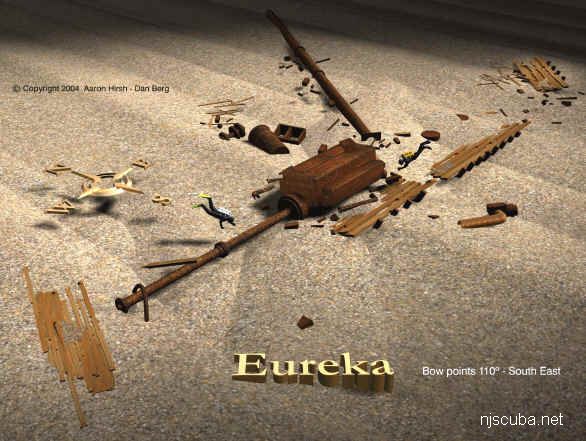
Eureka
Type:
shipwreck, trawler?, USA
Depth:
110 ft

debris field, boiler, machinery


Type:
shipwreck, tanker
Depth:
40 ft

The Evening Star or 'Pig Iron Wreck' appears to be the remains of a tanker that ran aground and broke up. The wreck sits in 40 ft of water and is scattered over a relatively large area.


Type:
shipwreck, barge
Specs:
963 tons
Sunk:
Wednesday February 17, 1943
possibly collision with Harry Rush
Depth:
75 ft

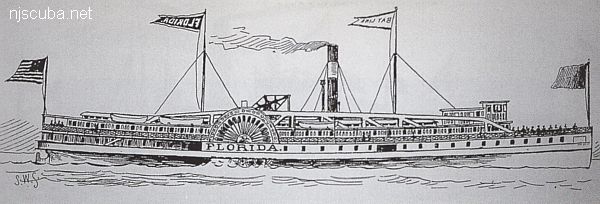
Shipwreck Florida
Type:
shipwreck, steamer, USA
Built:
1876, Baltimore MD USA
Specs:
( 259 x 36 ft ) 1280 gross tons, no crew
Sunk:
Wednesday May 14, 1930
foundered in storm while being towed to wreckers - no casualties
Depth:
shallow

unknown, probably buried


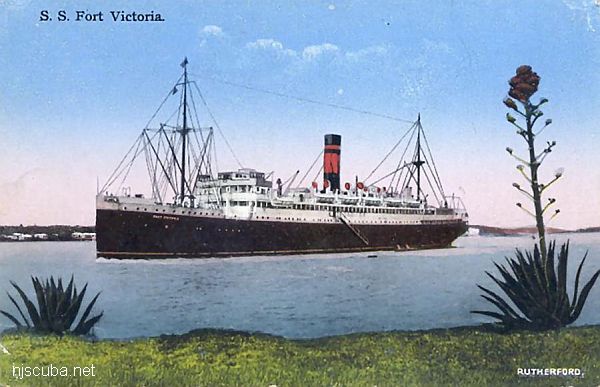
Shipwreck Fort Victoria
Type:
shipwreck, liner, Furness-Bermuda Line, Bermuda
Built:
1913, Scotland, as Willochra
Specs:
( 411 x 56 ft ) 7784 gross tons, 371 passengers & crew
Sunk:
Wednesday December 18, 1929
collision in fog with liner Algonquin ( see Mohawk ) - no casualties
GPS:
40°28.907' -73°54.398' (AWOIS 1991)
Depth:
50 ft


Type:
shipwreck, barge
Specs:
( 50 ft )
Sunk:
Saturday September 11, 1937
GPS:
40°18.834' -73°53.094' (AWOIS 2008)
Depth:
65 ft

This wreck is often referred to as a trawler, but it is really a self-propelled wooden dump scow of the Great Lakes Dredge & Dock Company.


Garden State North Artificial Reef

6.5 Nautical Miles off Harvey Cedars, 1.50 sq miles
Depth: 65-85 ft [download]

Good Times and Queen Mary are plotted from 1989 LORAN numbers. Although the TDs are slightly different, the resulting conversions are identical. It doesn't matter, neither one is still there.

Hydroids

Masses of hydroids adorn many of the offshore wrecks, mixed in with anemones, sponges, mussels, coral, and algae. Hydroids are the most primitive Cnidarians, closely related to Hydromedusae, and display the most even split between the sessile polyp stages and free-swimming medusa stages, which are quite small and common.

The common Pink-Hearted Hydroid Tubularia spp generally grows in rounded tufts up to 6" across. Siphonophores are free-living hydroids that are often highly venomous, although most attached forms are harmless to humans.