Mud Hole
- Barge #10
- 120 Wreck
- 3 Sisters
- 3/4 Tug
- 59-Pounder
- Ambrose Buoy
- A Street - Shark River
- Acara
- Across
- Adele
- Ajace
- Alex Mac
- Allenhurst Jetty
- Anastasia
- Antioch
- Arnoff
- Arundo
- Asfalto
- Aurora
- Ayuruoca
- BA Wreck
- Shark River - Back Bay
- Balaena
- Bald Eagle
- BD1738
- USS Benson
- Beth Dee Bob
- Blue Boy
- Bonanza
- Bronx Queen
- Brunette
- Bug Light
- Burnside
- Charles Dunlap
- Cecilia M Dunlap
- Cornelius Grinnell
- Catherine Jackson
- Chauncy Jerome
- Cornelia Soule
- Cadet
- Capt Smitty
- Catamount
- Charlemagne Tower
- Choapa
- clam boat
- coal (Lido)
- Continent
- crane barge
- Creole
- Daghestan
- Delaware
- Dragger
- drydock
- Dryland
- Edwin Duke / Stone Barge
- dump
- Duncan
- Edmund Phinney
- East Rockaway Inlet
- Ed's Schooner
- Elberon Rocks
- Emerald / USS Hibiscus
- Eureka
- Francis A Perkins
- FF Clain
- Finance
- Fort Victoria
- Gassoon
- German
- Lady Gertrude
- GL78
- Glen II
- Glory Wreck
- I.P. Goulandris
- Granite Wreck
- Gulftrade (stern)
- Gypsy
- Horseshoe Cove
- Alexander Hamilton
- Hankins (Big)
- Hankins (Offshore)
- Hankins 3
- Happy Days
- Cornelius Hargraves
- Harvey's Schooner
- Howard
- Iberia
- Ida K
- Immaculata
- Inshore Schooner
- Irene/Truro
- Irma C
- John Minturn
- Jack I
- Joan La Rie III
- Jones Inlet
- Jones Tug
- Kenosha
- Klondike Rocks
- Lizzie H. Brayton
- Lana Carol
- Larsen
- Lavallette Wreck
- Leon Walter
- Lillian
- Lizzie D
- Long Branch locomotives
- Logwood
- H.W. Long
- Macedonia
- Mahogany
- Malta
- Manasquan Inlet
- Margaret
- Marion
- Maurice Tracy
- Meta
- Middle Barge
- Mistletoe
- R.C. Mohawk
- Mohawk
- Manasquan Wreck
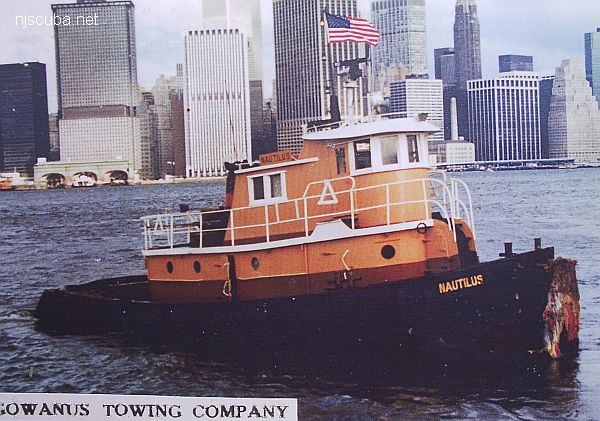
- Nautilus
- Navesink River
- Northeast Sailor
- New Reef
- New Deal
- New Era
- Old Yankee
- Olsen
- HMS Pentland Firth
- Park City
- Long Branch Pier Rubble
- Pinta
- Pipe Barge
- Pliny
- Plymouth
- Pocopson
- Princess Anne
- Ruth Shaw
- Robert A Snow
- Ramos
- Ranger
- Relief Lightship
- Rickseckers
- Ridge Schooner
- Riggy
- Rjukan
- Rockaway Inlet
- Rockaway Belle
- Roda
- Roy's barge
- Manasquan River Railroad Bridge
- Rudder Wreck - Pocono
- Rump
- Rusland / Adonis
- Scotland Buoy
- Sandy Hook Pilot Boat
- SC-209
- SC-60
- Sea Girt Inlet
- Sea Girt Wreck
- Sea Hag
- Seaside Crane Barge
- Shark River Inlet
- Shrewsbury Rocks
- Spring Lake Sailor
- Steel Wreck
- Stolt Dagali
- Southwest Mohawk
- Sylvanus
- Tampa III
- USS Tarantula
- Thurmond
- Tolten
- Train Wheel
- USS Turner
- AWOIS 8087
- AWOIS 8097
- u11
- AWOIS 7509
- AWOIS 7932
- AWOIS 9768
- AWOIS 12966/11422
- AWOIS 1609
- AWOIS 8084
- AWOIS 7940
- AWOIS 7938
- AWOIS 8076
- AWOIS 4600
- AWOIS 8075
- Valerie E
- Vega
- Vivian
- Vizcaya
- Warrior
- Western World
- Edward W Winslow
- Yankee (G+D)
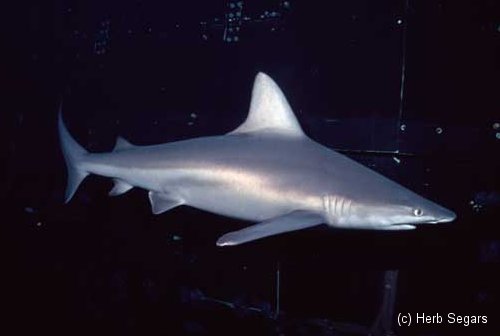
Deep and dark, the Mud Hole is the Hudson River's channel from a time when the oceans were much lower. Today it collects all the silt and sediment that the river carries out to the sea, making it a very fertile fishing ground, frequented by pelagic fishes and sharks. The contour shown on the chart is not any particular depth, but do give an idea of the location.
More: Mud Hole ...