New Jersey Dive Sites (16/31)

Dive Sites - New Jersey

 1  15 16 17  31  


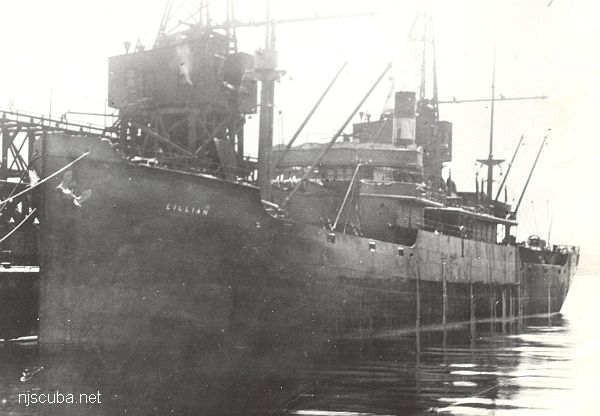
Freighter Lillian
Type:
shipwreck, freighter, USA
Built:
1920, Bethlehem Wilmington, Wilmington DE USA, as Maddequet
Specs:
( 327 x 46 ft ) 3482 gross tons, 32 crew
Sunk:
Sunday February 26, 1939
collision with freighter Wiegand ( 6568 tons) - no casualties
Depth:
150 ft

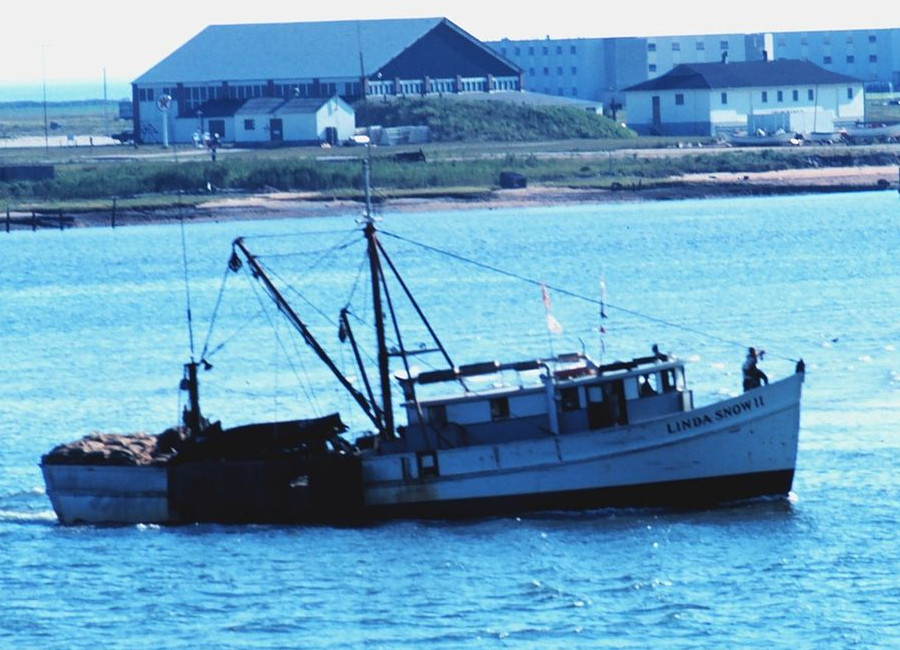
"Deploying a clam dredge in nearshore waters, New Jersey, Cape May."
Date: May 1968
Type:
shipwreck, clam dredge, USA
Built:
1962, St Augustine, FL USA
Specs:
( 66 x 18 ft ) 74 gross tons
Sunk:
Monday, Jan 16, 1978
capsized

Little Egg Artificial Reef

4.0 Nautical Miles off Holgate, 2.05 sq miles
Depth: 50-60 ft [download]


Brigantine Inlet


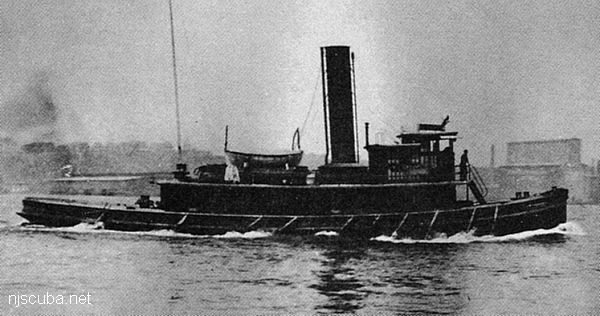
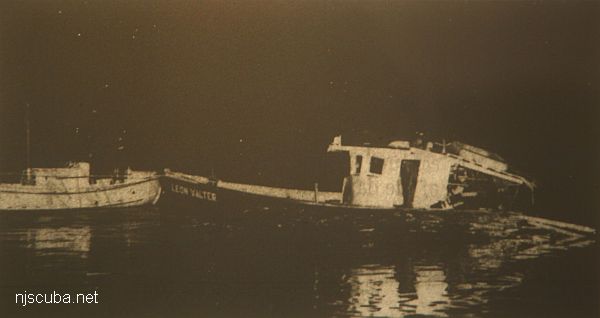
Shipwreck Lizzie D
Type:
shipwreck, tugboat, USA
Built:
1907, Neafie & Levy, Philadelphia PA USA
Specs:
( 77 x 21 ft ) 122 gross tons, 13 crew
Sunk:
Thursday October 19, 1922
unknown, related to smuggling during Prohibition - no survivors
Depth:
80 ft

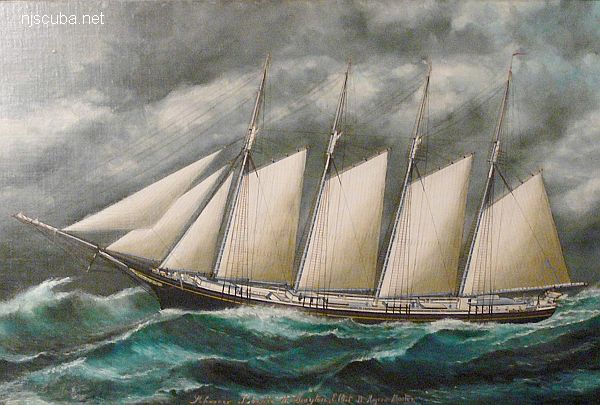
Shipwreck Lizzie H. Brayton
Type:
shipwreck, schooner, USA
Built:
1891, Bath ME USA
Specs:
( 201 ft ) 979 tons, 9 crew
Sunk:
Sunday March 27, 1914
ran aground in storm - no casualties
Depth:
15 ft

Long Branch Locomotives
Type:
2 identical small locomotives
Sunk:
1850s ?
GPS:
40.274769° --73.872292° (AWOIS 1991)
Depth:
85 ft

Logwood
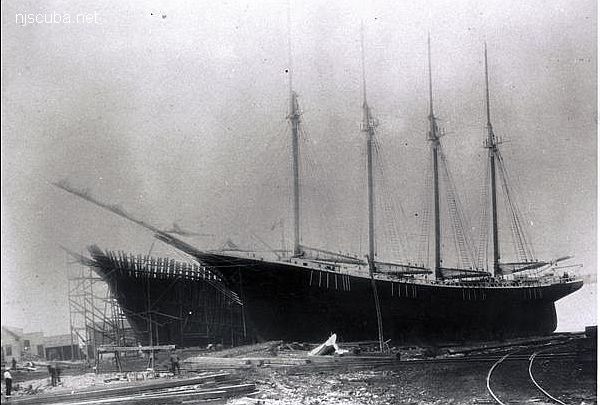
Launching of the John D. Colwell
Type:
shipwreck, sailing ship
Built:
1906, Cobb, Butler & Co, Rockland, Maine, USA, as John D. Colwell
Specs:
( 192 x 39 ft ) 1,042 gross tons, 14 passengers & crew
Sunk:
Wednesday May 12, 1920
collision with tanker Laramie, no casualties
Depth:
95 ft

Long Branch Pier Rubble
Remains of the pier still standing in October 1997; it was demolished in June-July 2001
Type:
oceanfront pier
Built:
1911
Depth:
15 ft?

New Jersey Dive Sites

 1  15 16 17  31  

light

Photography is all about light. Good lighting is the single most important factor in getting good pictures. After that, technique, experience, and artistic composition are second, and fancy expensive equipment is a distant third.

Unlike photo equipment, light is generally free, during the day anyway. For good results, you usually want to collect as much of it as possible for every picture. This is the job of your camera's lens. The lens is the most important part of a camera, and it is ironic how manufacturers of SLR systems with interchangeable lenses generally sell kits with fancy expensive bodies ( lots of buttons, etc ) and cheap lenses. Even more ironic, much low-end photography is done with disposable cameras that have no lens at all! Whether you use a point-and-shoot, a digital, or an SLR, make sure your camera has a good lens on it. Secondarily, shutter speed also affects your light-collecting ability. Better cameras have controllable shutters, while point-and-shoots are usually fixed at around 1/100 second.