
New Jersey Dive Sites (24/31)
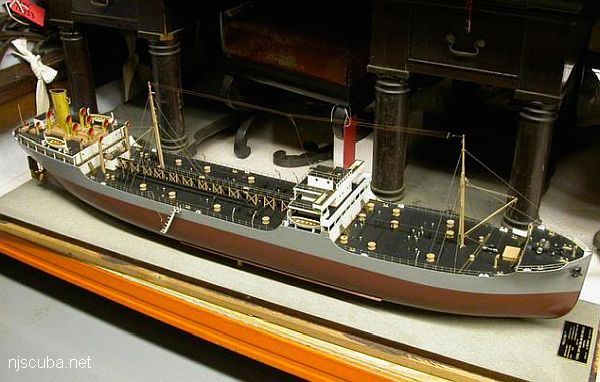
- Type:
- shipwreck, tanker, USA
- Name:
- Named for R P Resor, Treasurer of Standard Oil.
- Built:
- 1936, Federal Shipbuilding, Kearny NJ USA
- Specs:
- ( 435 x 66 ft ) 7451 gross tons, 49 crew
- Sunk:
- Friday February 28, 1942
torpedoed by U-578 - 2 survivors - Depth:
- 125 ft
More: RP Resor ...
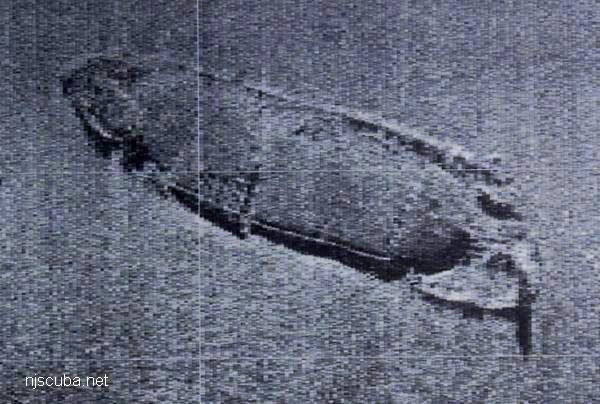
- Type:
- shipwreck, schooner barge
- Built:
- 1905, T.S. Marvel Shipbuilding, Newburgh NY
- Specs:
- ( 156 ft ) 698 tons
- Sunk:
- Monday March 31, 1924
foundered in storm - Depth:
- 60 ft
More: Pocono "Rudder Wreck" ...
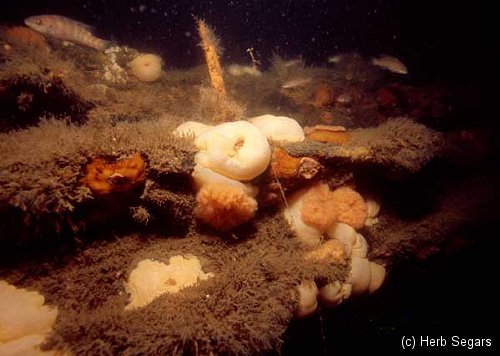
- Type:
- shipwreck, schooner barge
- Specs:
- approximately 150 ft
- Depth:
- 80 ft
More: Rump ...
The "Sachem" wreck is typical of the remains of many unknown wooden sailing ships that are found off the coast. Three parallel sets of ribs and scattered decking between provide good habitat for lobster. The wreck sits in 60' of water on a clean sandy bottom and visibility is usually good on this site. Fairly large and scattered, it also provides a good opportunity for the spearfisherman.
More: Sachem ...
- Type:
- shipwreck, schooner barge
- Built:
- 1900
- Specs:
- 703 tons, 3 crew
- Sunk:
- Sunday April 3, 1932
- no survivors - Depth:
- 55 ft
More: Salem ...
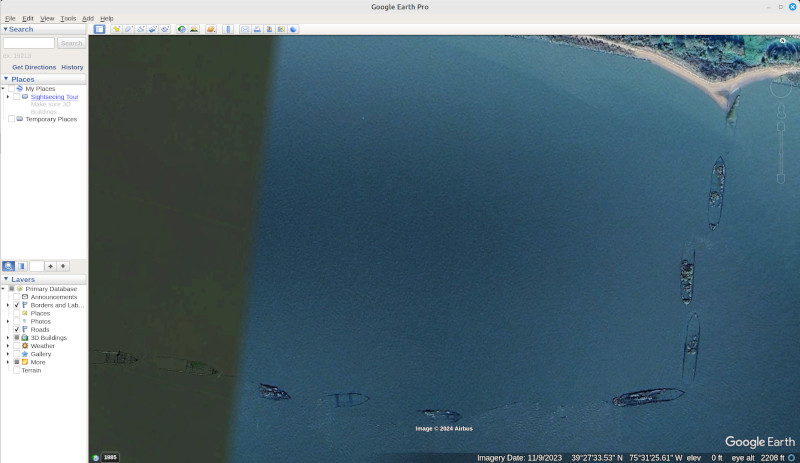
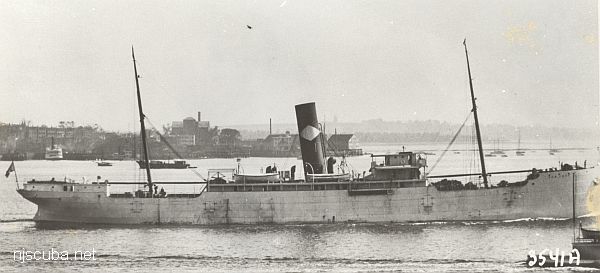
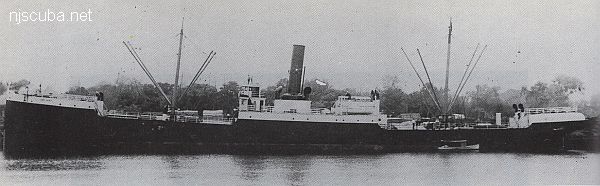
- Type:
- shipwreck, steamer, USA
- Name:
- San Saba is a river in central Texas, a tributary of the Colorado River of Texas.
- Built:
- 1879, Delaware River Iron Shipbuilding & Engine Works, Chester PA USA, as Colorado
- Specs:
- ( 306 x 39 ft ) 2458 gross tons, 37 crew
- Sunk:
- Friday October 4, 1918
struck mine laid by U-117 - 30 casualties - Depth:
- 80 ft
More: San Saba ...
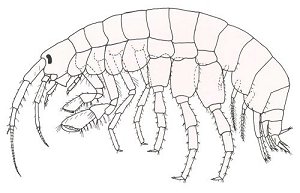
Amphipod crustaceans typically range in size from 2 to 50 mm, although a few may be larger. Amphipods are common in aquatic ecosystems throughout many parts of the world, inhabiting marine, brackish, and freshwater environments. A few species are also terrestrial. Amphipod means "different foot", a reference to the varied legs that are evident in the illustrations, as opposed to isopods.
The order Amphipoda, which contains nearly 7,000 described species, is divided into three suborders: Gammaridea, Caprellidea, and Hyperiidea. Gammaridea, with more than 5500 described species, is not only the largest amphipod suborder but also contains all of the freshwater and subterranean taxa. Approximately 21 superfamily groups, 95 families and more than 1000 genera are recognized within this suborder.
More: Amphipods ...