

salt barge

Salt Barge reef
Type:
artificial reef, barge
Built:
circa 1940
Specs:
( 150 x38 ft )
Sponsor:
US Navy, NJCDC, Carbon Services Corp, Artificial Reef Association, Cape May County Party & Charter Boat Association
Sunk:
Friday April 9, 1993 - Cape May Artificial Reef
GPS:
38°50.959' -74°42.385'

The "Salt Barge" was used by the Philadelphia Naval Shipyard to carry saltwater for testing of shipboard desalination equipment in port. It was loaded with tire units before sinking.
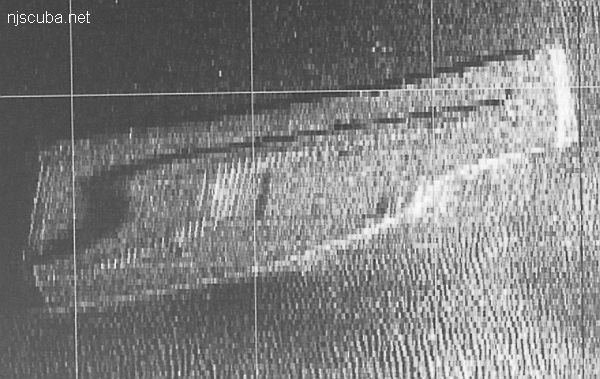

Salt Barge reef side-scan
Side-scan sonar image

Comments on salt barge

Questions or Inquiries?

Just want to say Hello? Sign the .

Submit a Comment

Your email address will not be published. Required fields are marked *


Click image to replace if unable to read.

Enter the digits from the image above, except for the last one:

This site uses Akismet to reduce spam. Learn how your comment data is processed.


regulator

First stages come in several forms. Your main options are generally:

  • balanced or unbalanced
  • piston or diaphragm
  • sealed or unsealed

Manufacturers will try to make a big deal out of these and various other features. Here's what I think:

  • balanced or unbalanced - Today only the very cheapest regs are unbalanced designs. Breathing performance will suffer, and any reg that cheap will likely be deficient in other areas. There is no reason to buy an unbalanced first stage.
  • piston or diaphragm - This doesn't much matter, there are good designs that use both systems - worry about other things.
  • sealed or unsealed - This refers to whether or not water can enter the first stage. If water can enter, then so can sand and grit, which will inevitably cause a malfunction, probably while you are in the water. Also, for cold-water diving ( not ice diving, just cold water, say 45°F ), the water inside the first stage could actually freeze, with the same result. Do not buy an unsealed regulator for use around here. In fact, don't buy one, period. Sealed designs are generally more expensive to buy and maintain, but it is worth the extra cost. Some regulators ( Genesis, Sherwood ) accomplish the same effect without technically being sealed. This is just as good, maybe better, because the design is simpler.