Delaware #11 Artificial Reef
Delaware #11 Artificial Reef
15.5 Nautical Miles from Indian River Inlet, 1.52 sq miles
Depth: 70-90 ft
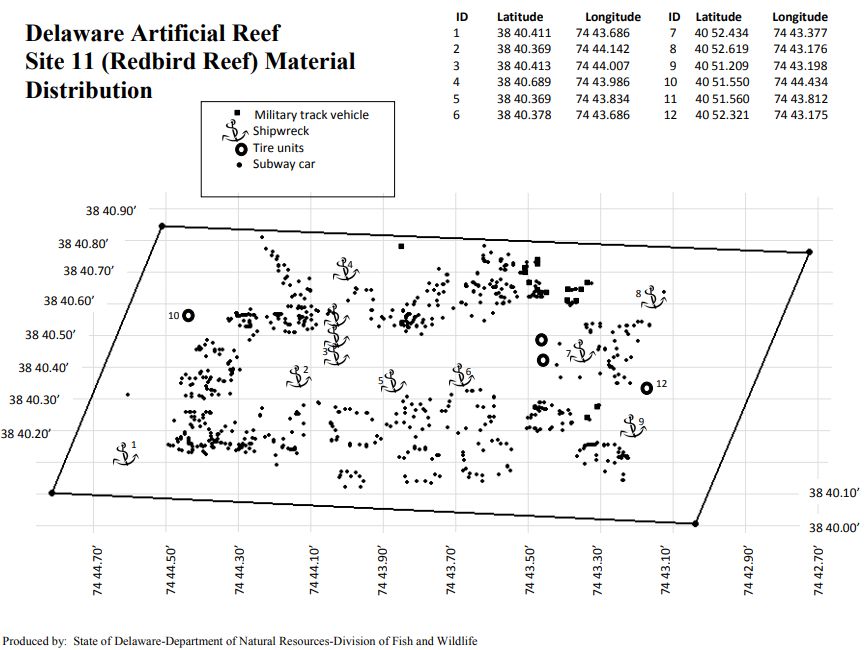
Delaware has quite an active Artificial Reef Program for such a small state. Most of its reefs are located in Delaware Bay and consist of concrete, rock, and rubble, not really of interest to divers. Three of the reefs, Numbers 9, 10, and 11, are in the ocean. Of these, Number 11 is of special interest, since, in addition to three "wrecks" and numerous Army tanks, it contains 619 Redbird subway cars - cars that New Jersey turned away. At least they didn't go very far - these cars were actually closer than some of the 250 that New Jersey eventually sank in our own reefs! Probably very little remains of any of these subway cars.
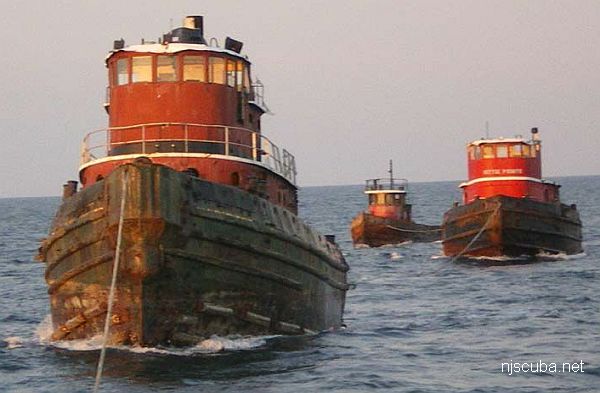
Fells Point, Cittie Pointe, and William C Snow
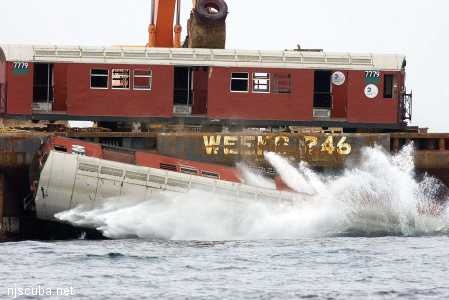
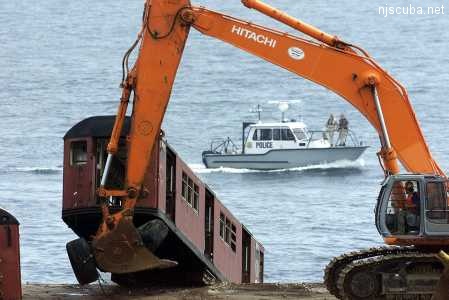
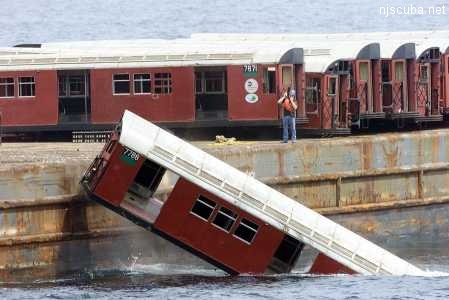
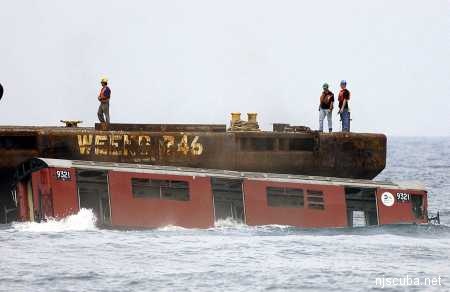
The Red Bird reef site was begun in 1996, taking its name as a derivation of the "Redbird" paint-schemed subway cars donated in 2001 by New York City's Metropolitan Transportation Authority. To build the Red Bird Reef, 619 of the obsolete subway cars were sunk, each of them 51 feet long by nine wide, making a substantial bottom structure for an artificial reef.
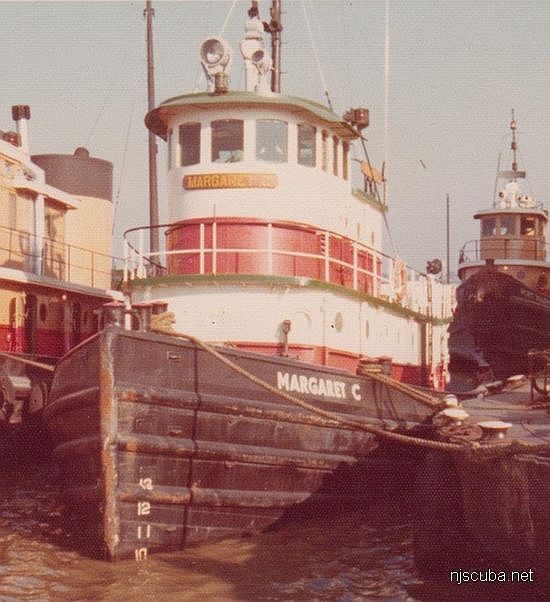
- Type:
- artificial reef, tugboat
- Built:
- 1958, Gulfport Shipbuilding, Port Arthur, TX, as Margaret C
- Specs:
- ( 110 ft )
- Sunk:
- Tuesday Jan 30, 2009 - Delaware #11 Artificial Reef
- GPS:
- 38°40.540' -74°43.957'
More: Bay Tide ...
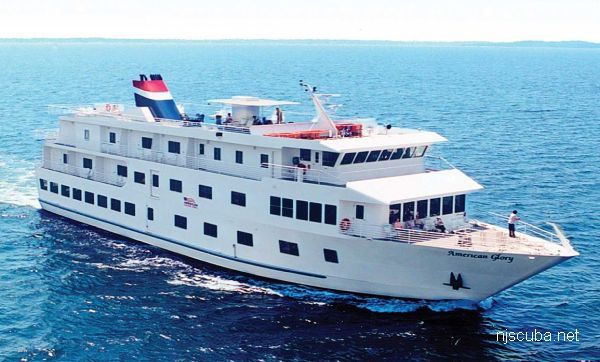
- Type:
- artificial reef, mini-liner
- Built:
- 2002, Chesapeake Shipbuilding, Salisbury, MD USA
- Specs:
- ( 174 x 39 ft ) 1,267 gross tons
- Sunk:
- Monday, November 4, 2019 - Delaware #11 Artificial Reef
- GPS:
- 38°40.474' -74°43.726'
- Depth:
- 80 ft
More: American Glory ...
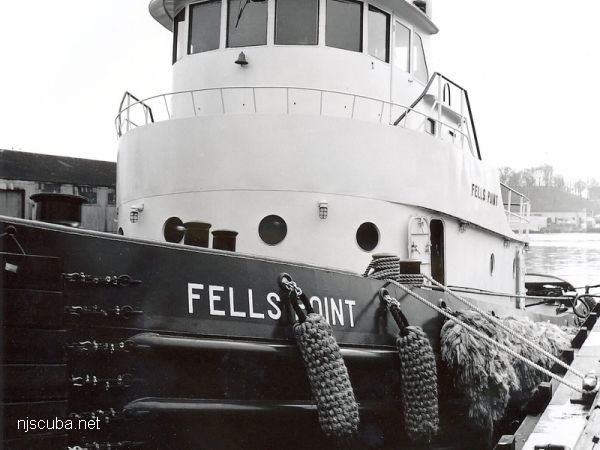
- Type:
- artificial reef, tugboat
- Built:
- 1956, Equitable Equipment Company, Madisonville, LA USA
- Specs:
- ( 110 ft )
- Sunk:
- Monday June 2, 2008 - Delaware #11 Artificial Reef
- GPS:
- 38°40.540' -74°43.957'
More: Fells Point ...
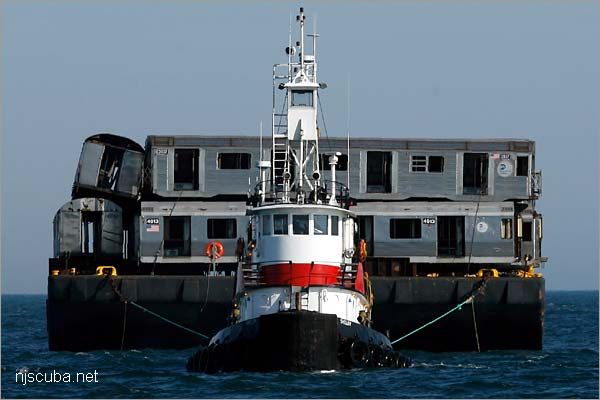
- Type:
- ~100 "Brightliner" subway cars - NYC Subway system
- Built:
- 1963-1964 - Budd Company - Model R32 # 3350-3949
1966-1967 - St. Louis Car - Model R38 # 3950-4149
1967-1969 - St. Louis Car - Model R40 # 4150-4349
1969-1970 - St. Louis Car - Model R42 # 4550-4949 - Specs:
- ( 60 x 10 ft ) 10 tons ( all, typical, body only )
- Sunk:
- 44 cars were sunk on Atlantic City Reef on April 3, 2008
more in Cape May reef and Delaware reefs - Sponsor:
- New York City Metropolitan Transportation Authority ( MTA )
- GPS:
- too many to list, and all gone anyway
- Depth:
- Depths vary by location
More: Brightliner Subway Cars ...
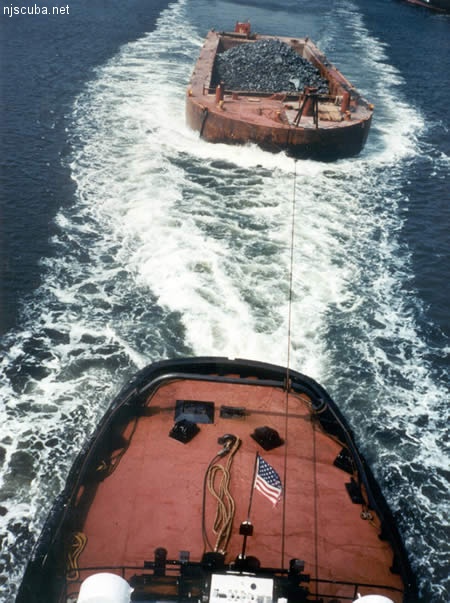
All manner of concrete, steel, and stone rubble from dredging, demolition projects, and other construction is used as artificial reef materials. This material is generally available at very low cost or free from construction companies who are more than happy to get rid of it. Transportation costs determine where this material is used by the Reef Program.
More: Rock & Rubble ...
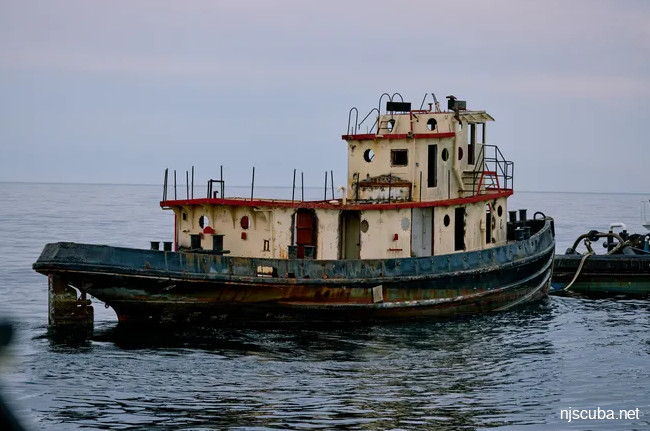
- Type:
- artificial reef, tugboat
- Built:
- 1944, Lawley & Sons, Neponset MA, as DPC-21
- Specs:
- ( 86 x 24 ft ) 146 GT, 9 crew
- Sunk:
- Saturday June 22, 2024 - Delaware #11 Artificial Reef
- GPS:
- 38°40.427' -74°43.073'
More: TD-21 DPC-21 ...