Round Valley

Round Valley Reservoir
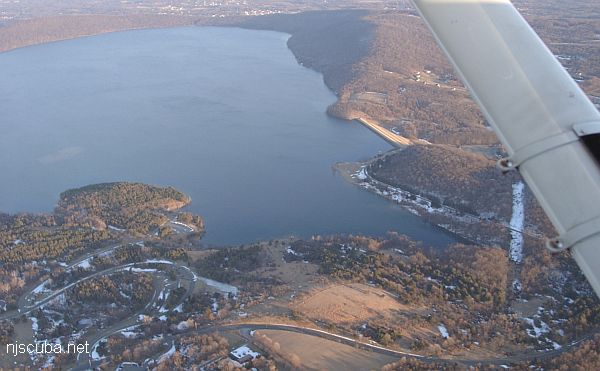
Looking roughly southeast, with the diving cove in the foreground. The natural basin of the valley is evident, as well as one of the two dams, at right. The water level looks pretty high, with a little snow on the ground.
Type:
freshwater artificial reservoir
Depth:
180 ft, but less than 60 ft in the usual area

Round Valley Reservoir

Hello Scuba Divers & Snorkelers

Please be advised that scuba diving and snorkeling activities at Round Valley Recreation Area and Round Valley Reservoir will remain closed for the 2025 season while park staff work towards completing two important and necessary goals to improve the diver registration experience prior to reopening. The first goal is streamlining the registration process by creating an online Scuba Reservation portal, similar to the Camping Reservation platform at www.camping.nj.gov. The second goal is finalizing the Dive Training License Agreement, which would allow dive trainers to apply and be granted permission legally operate at the park.Thank you for your patience while park staff and partner agencies work hard towards building a better dive program. The next formal update will be sent during the winter of 2026. In the upcoming year we welcome you to enjoy some of Round Valley Recreation Area’s other activities including swimming at the lifeguarded beach, wilderness camping, hiking, and picnicking.
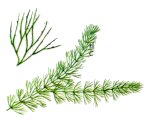
Hornwort

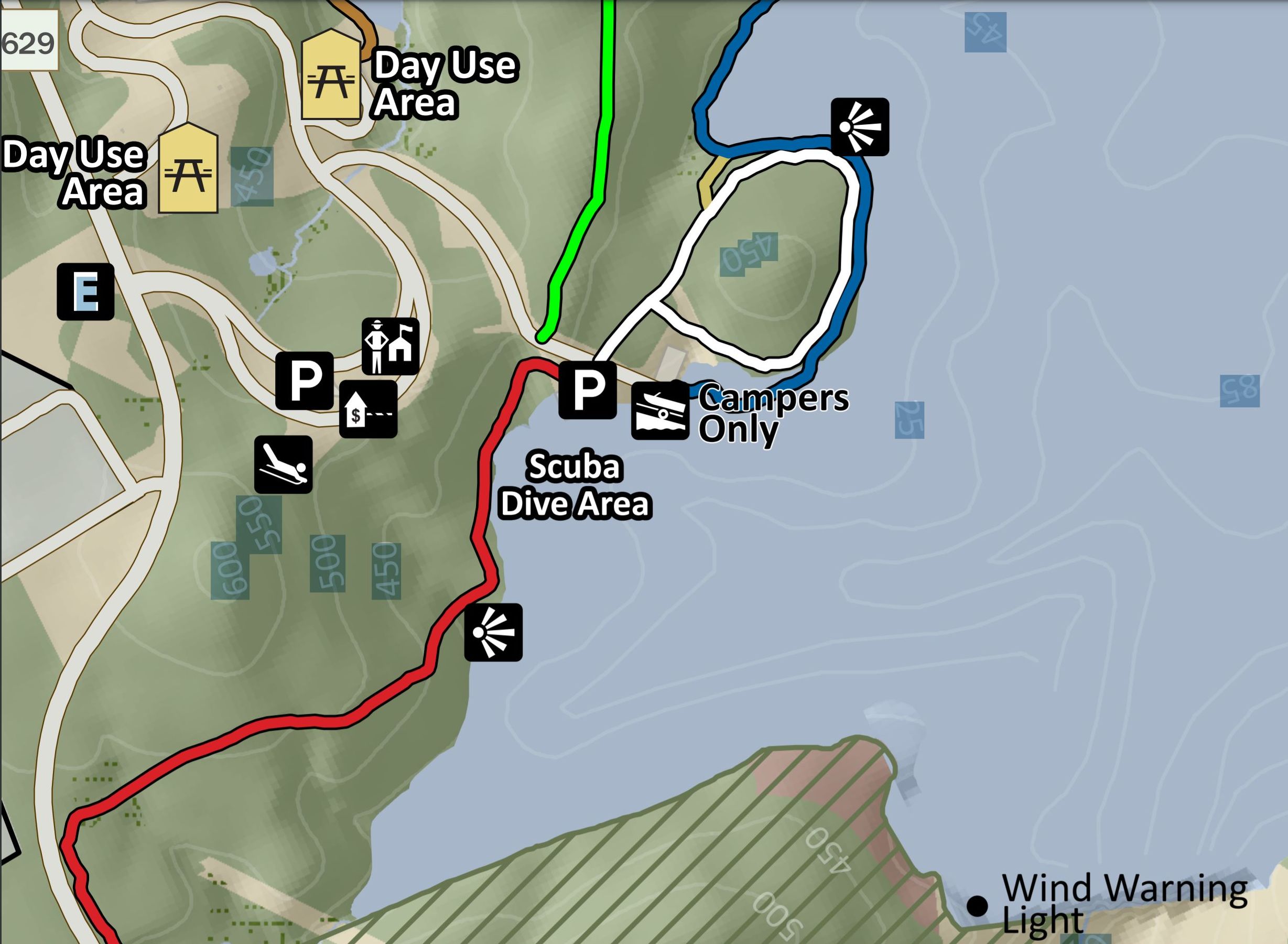
The visibility here is usually good, although the silty bottom stirs up at the slightest touch. The usual diving area has a maximum depth of about 60 ft, although in other spots the reservoir is much deeper. Entry is a short hike down a grassy slope to a pebble beach. There is an underwater training platform, and often you will find an O/W class there. Water temps get up into the high '70s later in the season, although it is chilly below the 30 ft thermocline.
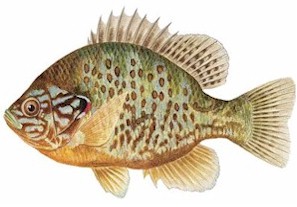
sunfish

Round Valley usually has good diving conditions even after a rain, when most other places will be completely silted out. This is because there is practically no natural drainage into the basin. Instead, it is filled ( expensively ) by pumping water up from the Raritan River. Because of the expense of filling the Round Valley reservoir, it is drawn down only in emergencies, when the nearby Spruce Run reservoir ( which fills naturally ) is almost empty. Thus the water level in Round Valley is consistently high, and the clarity is exceptional.
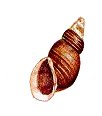
river snail

Unfortunately, compared to the ocean, Round Valley is a relatively dull dive. Mud, rocks, snails, and a few fish can be found, as well as huge stands of water plants later in the season. The sunfish are amazingly tame and will follow you around wherever you go. The bottom is littered with fishing lures, and sometimes you can find bottles tossed in by fishermen. There is little boat traffic, although the rangers patrol the lake diligently.
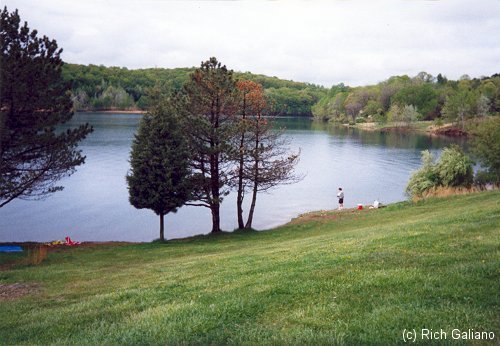
Round Valley Reservoir
As you can see from the picture above, the surrounding park is an exceptionally beautiful place, and many people go for swimming, fishing, picnicking, hiking and cycling.

Regulations:

  • All divers are required to register at the office, have a dive buddy, inflatable vest and a dive flag.
  • Diving is permitted from April 1 through October 31 depending upon water conditions.
  • Scuba divers must be certified.
  • Divers are required to check-in prior to a dive, check-out after each dive and comply with diving hours.
  • In April, May and October Scuba and Skin Diving hours are 10 a.m. to 2 p.m., and from Memorial Day to September 30, the hours are 8 a.m. to 4 p.m.

Source:
https://nj.gov/dep/parksandforests/parks/roundvalleyrecreationarea.html
Round Valley Reservoir
An old stump protruding from the bottom ooze.
This is about as interesting as it gets in most of the reservoir.
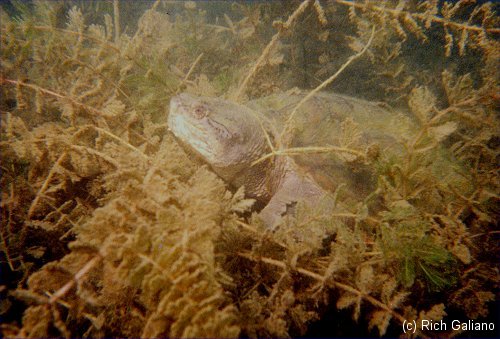
snapping turtle
Large Snapping Turtle in the weedy shallows to the west of the entry area.
History of Round Valley and the Round Valley Reservoir
Round Valley Village
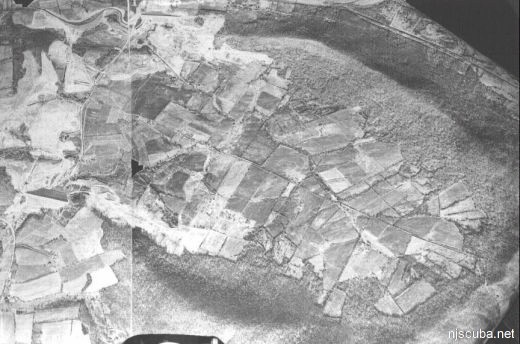
The reservoir under construction, both dams appear to be complete
Round Valley Village
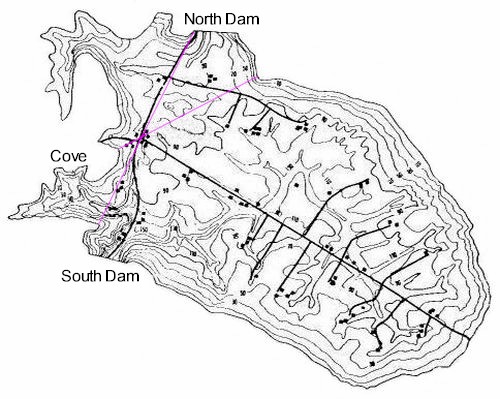
The location of the village, with surface sight lines

This cluster of buildings is the shallowest and closest to shore, at a depth of 40-50 feet. The map shows the original roads and other structures - silos, homes, school, church, post office, and barns. The buildings were razed before the reservoir was filled, so there is nothing left but concrete foundations - not terribly exciting, but better than the barren silt in the rest of the reservoir. The dirt roads would be unrecognizable now.

It should be relatively easy to find this spot using landmarks on the surface. To do this as a shore dive, swim out 200-300 yards and drop a weighted descent line from a flag when you have everything lined up. With a boat, GPS coordinates 40°37'19"N -74°50'27"W should put you in the vicinity. The depth, distance from shore, and even the shape of the shoreline will vary with the water level of the reservoir.

The Round Valley Reservoir in Clinton Township in Hunterdon County, New Jersey, United States, was formed in 1960 when the New Jersey Water Authority constructed two large dams and flooded a large valley. The reservoir is named after the naturally formed circular valley surrounded by Cushetunk Mountain. The deep valley was caused by erosion of the soft sedimentary rock. The surrounding ridges of Cushetunk Mountain endure because they were underlaid with dense and durable volcanic rock diabase that cooled slowly under the surface of the earth.

Reaching depths of 180 feet, this 2,350 acres reservoir is best known for its pristine clear blue waters. The reservoir contains 55 billion US gallons of water for use in central New Jersey, making it the largest in the state. Its water is distributed during times of drought via the nearby south branch of the Raritan River. The New Jersey Division of Wildlife ( a department of the New Jersey Department of Environmental Protection ) claims the reservoir is the southernmost body of water that contains naturally reproducing lake trout. Some of the other species of fish in the lake include bass, pickerel, catfish, american eel, yellow perch, brown trout, and rainbow trout. The park also has a wilderness area for camping, swimming, and SCUBA diving facilities, a boat ramp, and nature hiking and biking trails.

from Wikipedia

Thanks to diver Carl Blanchard for details of the village.

https://nj.gov/dep/parksandforests/parks/roundvalleyrecreationarea.html


Comments on Round Valley

Questions or Inquiries?

Just want to say Hello? Sign the .

Submit a Comment

Your email address will not be published. Required fields are marked *


Click image to replace if unable to read.

Enter the digits from the image above, except for the last one:

This site uses Akismet to reduce spam. Learn how your comment data is processed.


NJ Scuba

Pete Nawrocky is a photographer specializing in the underwater environment of the Northeastern United States. Pete's work has been published in numerous books and magazines, including Skin Diver and Underwater USA, and he is currently a staff writer for the Northeast Dive Journal. Pete has also received the Beneath the Sea Diver of the Year award, and the NAUI Outstanding Contributor to Sport Diving award.

Atlantic Rock Crab - Cancer irroratus

Crabs are carnivorous and typically walk on the sea floor. Their habitat ranges from the deep sea up to shallow water, along the shore, and sometimes well inland. The Atlantic Rock Crab is found on rocky or sandy bottoms at depths from the low-tide line to depths of 2600 feet (780m). Although these crabs were once regarded as pests by lobstermen, as they will enter lobster pots and steal bait, the rise in seafood prices has made the crabs a profitable catch as well.

Northern Sea Robin - Prionotus carolinus

The Northern Sea Robin, which grows to 17 inches in length, inhabits waters off most of the eastern coast of North America, migrating south and offshore during the winter. These fish are bottom-dwellers, feeding on various crustaceans, bivalves, squid, and other fish. Sea Robins can be recognized by the large head, broad mouth, spiny dorsal fin, and wing-like pectoral fins.

Sea Gooseberry - Pleurobrachia pileus

This tiny comb jelly is only about an inch across, but its retractable tentacles can extend over twenty times its body length to snare microscopic food organisms. Comb jellies are noted for their sometimes spectacular luminescence, which is produced by glandular structures near the radial digestive canals. Sea Gooseberries, which unlike most jellyfish do not sting, can be found drifting near shore from Maine to Florida and Texas. Another comb jelly, P. bachei is found from Alaska to Baja California on the Pacific coast, and is indistinguishable from P. pileus outside of the laboratory.

Atlantic Purple Sea Urchin - Arbacia punctulata

This omnivorous species, found on rock or shell bottoms from low-tide line to water 750′ (229m) deep, will eat anything from algae, sponges, and coral polyps, to mussels, sand dollars, even dead or dying urchins or other animals. Sea urchins carry fascinating tiny grooming organs between their spines. These organs, once thought to be parasites, are actually just the opposite: an integral part of the animal which keeps the echinoderm’s surface free from other animal or plant organisms.

Tubularian (Pink Hearted) Hydroid - Tubilaria crocea

This is not a plant, but an animal which attaches itself to nearly any solid object continuously submerged in shallow water. Single pink polyps, each up to 5″ high, combine to form a colony over a foot wide. Individual members of the colony become specialized to perform specific tasks, from eating to defending the colony. This species is found on the east coast from Nova Scotia to Cape Hatteras, and from Washington to California in the west.

Northern Red Anemone and Frilled Anemone
Tealia crassicornis and Metridium senile

The similarities between anemones and their relatives, the corals and the jellyfish, are not hard to see. All spend part, if not all of their lives as polyps anchored to the sea floor or other surface, and most employ stinging cells, or nematocysts, to subdue prey.

Both of these anemones are found in northern waters on the east and west US coasts. The Northern Red Anemone can grow to 5″ high and 3″ wide with a hundred tentacles arranged in rings around the mouth. The Frilled Anemone, which can grow to a height of 18″, may have as many as a thousand slender tentacles which give it the frilled appearance. These anemones can reproduce either sexually or asexually, the latter being accomplished by leaving behind, as they creep over a surface, bits of tissue which regenerate into complete organisms.

Goosefish - Lophius piscatorius

This angler fish is a large bottom-dweller, reaching lengths of up to six feet in depths to 1,800 feet (550m). Lophius are voracious eaters, attracting prey with a modified dorsal fin which acts as a “fishing lure.” They have been known to eat a wide variety of fish, turtles, invertebrates, and even birds. Fishermen comment that the goosefish usually comes up in a trawl with a full belly, having gorged itself on its fellow captives. The appearance of this fish belies the delicately flavored flesh, which is popular in Europe.

Blue Mussels - Mytilus edulis

The edible Blue Mussel is usually found in dense masses attached to rocks, pilings, or nearly any solid object between low- and high-tide lines. These mussels grow to 4″ long and feed on nutrients filtered out of the water which passes into and out of the mantle cavity through the frilled siphons. Breathing also occurs as this stream of water passes over the creature’s gills.

Northern Stony Coral - Astrangia danae

The beautiful reefs of tropical locations are not actually living creatures at all, but are built up of the skeletons left behind by hard or stony corals and encrusting algaes. The Northern Stony Coral is the only shallow-water species of stony coral found north of Cape Hatteras. It is pinkish to white in color, and found attached to rocks or shells in water to 135′ deep.

Black Sea Bass - Centropristes striata

A favorite prize of spearfishing SCUBA divers, the Black Sea Bass is an important food fish throughout the mid-Atlantic states. Growing to 24″ in length, this fish is found from Maine to Florida, usually over rocks and around jetties, pilings, and wrecks.

Ocean Sunfish - Mola mola

Perhaps the strangest in appearance of all local fishes, the Ocean Sunfish with its large dorsal fin is probably responsible for more than a few “shark” sightings at sea. The caudal (tail) fin of the Mola mola is reduced to a short flap, with the dorsal and anal fins used like oars for propulsion. This fish can weigh well over a ton and measure up to 13 feet in length. They are found in both the Atlantic and Pacific oceans, and feed on jellyfishes and other small, soft items.

Sea Star - Asterias forbesi

The Common Sea Star is a familiar sight to any north Atlantic wreck diver. Found on rock, sand, or gravel bottoms from the low-tide line to depths of 160′, this creature can grow to over 10 inches across. This Sea Star feeds mainly on bivalve mollusks, by pulling the valves open just far enough to slip a piece of its stomach inside ( it only needs a tiny space of 1/250″. ) It then secretes digestive juices which begin to consume the mollusk’s soft tissues, and finishes the meal once the bivalve’s shell opens as it dies.

Sea Raven - Hemitripterus americanus

The Sea Raven has the unusual ability to pump itself up like a balloon when removed from the water. If it is thrown back again, it first floats helplessly on the surface, then returns to normal as it lets the air back out again. This fish is often used as bait for lobster, though some claim that it tastes good. The Sea Raven is found along the Atlantic coast of the US, and grows to over two feet in length.

If you are a New Jersey diver, we hope we’ve helped you become better acquainted with the creatures you see on your dives. If you’re not, we hope that we have shown you a little of what New Jersey diving has to offer.

Original NJScuba website by Tracy Baker Wagner 1994-1996

From way back when in 1996