World War I (2/3)

World War I

World War I Losses

World War II

World War II Losses

 1 2 3  

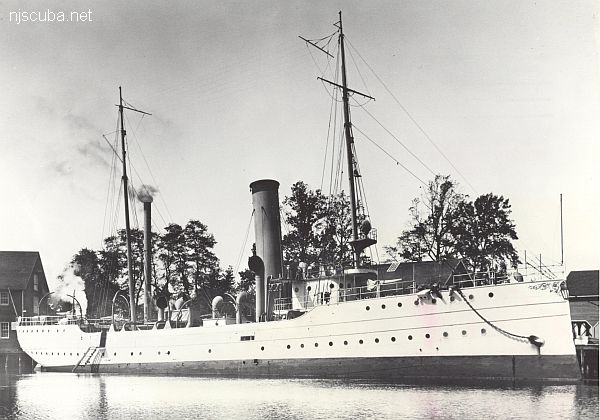
Shipwreck R.C. Mohawk
Not to be confused with the S.S. Mohawk or the other S.S. Mohawk.
Type:
shipwreck, revenue cutter, U.S. Revenue Service, on loan to U.S. Navy
Name:
A tribe of Iroquoian Indians of the eastern New York area.
Built:
1902, William R. Trigg, Richmond VA USA
Specs:
( 206 x 32 ft ) 980 gross tons, 77 crew
Sunk:
Monday October 1, 1917
collision with tanker Vennachar - no casualties
GPS:
40°25.025' -73°45.158' (AWOIS 2010)
Depth:
100 ft

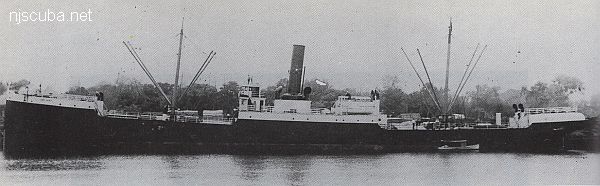
Shipwreck San Saba
Type:
shipwreck, steamer, USA
Name:
San Saba is a river in central Texas, a tributary of the Colorado River of Texas.
Built:
1879, Delaware River Iron Shipbuilding & Engine Works, Chester PA USA, as Colorado
Specs:
( 306 x 39 ft ) 2458 gross tons, 37 crew
Sunk:
Friday October 4, 1918
struck mine laid by U-117 - 30 casualties
Depth:
80 ft


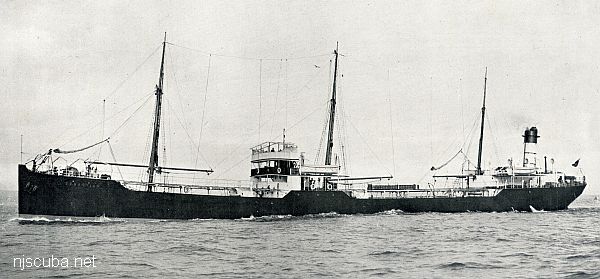
Shipwreck Sebastian
Type:
shipwreck, tanker, England
Built:
1914, England
Specs:
( 310 ft ) 3110 tons, 36 crew
Sunk:
Thursday May 10, 1917
fire - 1 casualty
Depth:
270 ft

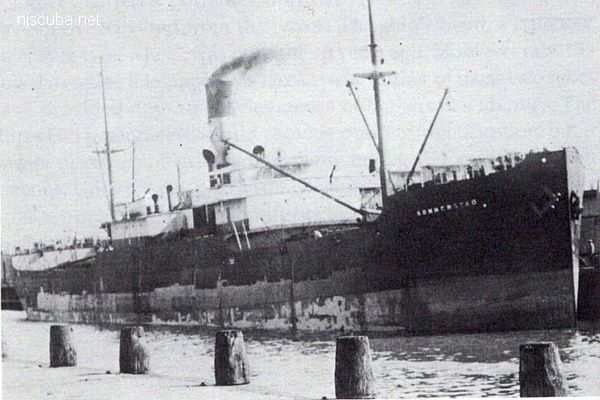
Shipwreck Sommerstad
Type:
shipwreck, freighter, England
Built:
1906, England
Specs:
( 340 x 47 ft ) 3875 gross tons, 31 crew
Sunk:
Monday August 12, 1918
torpedoed by U-117 - no casualties
Depth:
180 ft

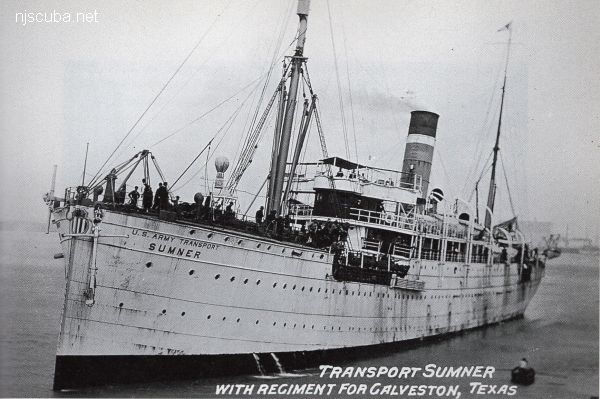
Shipwreck Sumner
Type:
shipwreck, collier, converted to passenger freighter, USA
Built:
1883, Germany, as Rhaetia
Specs:
( 351 x 43 ft ) 3553 gross tons, 232+ passengers & crew
Sunk:
Tuesday December 12, 1916
ran aground - no casualties
Depth:
25 ft

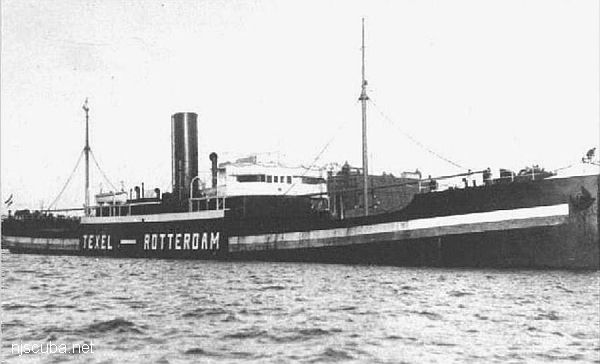
Shipwreck Texel
Type:
shipwreck, tanker, USA
Name:
Texel is the easternmost of the Frisian islands off the coast of Holland, which are similar to our own barrier islands.
Built:
1913, Denmark
Specs:
( 331 x 48 ft ) 3220 gross tons, 36 crew
Sunk:
Sunday June 2, 1918
bombed by U-151 - no casualties
Depth:
230 ft

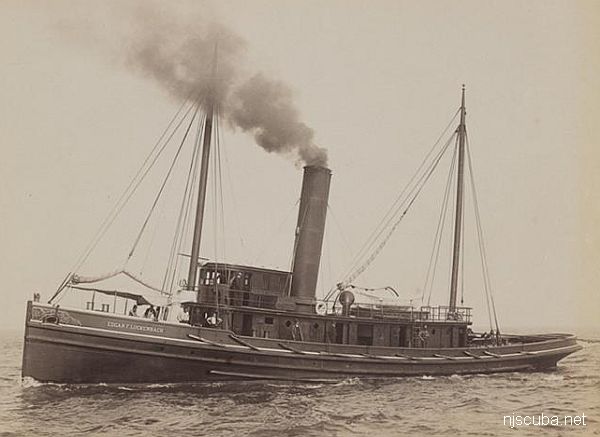
Shipwreck Cherokee
Type:
shipwreck, tugboat, US Navy
Name:
An Indian tribe of Pennsylvania and New York, later relocated to Oklahoma.
Built:
1891, John H. Dialogue & Son, Camden NJ USA, as Edgar F. Luckenbach
Specs:
( 120 x 25 ft ) 272 gross tons, 20 crew
Sunk:
Tuesday July 26, 1918
foundered in storm - 10 survivors
Depth:
90 ft

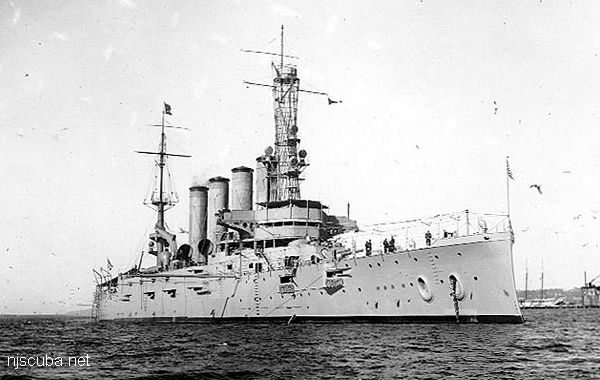
Shipwreck USS San Diego
USS San Diego photographed 28 January 1915, while serving as flagship of the Pacific Fleet. Her name had been changed from California on 1 September 1914. Note two-star Rear Admiral's flag flying from her mainmast top.
Type:
shipwreck, armored cruiser, U.S. Navy
Built:
1904, Bethlehem San Francisco, San Francisco USA, as U.S.S. California
Specs:
( 503 x 70 ft ) 13680 displacement tons
Sunk:
Friday July 19, 1918
explosion, probably struck a mine laid by U-156
officially 6 casualties, probably 30-40 in reality
GPS:
40°32.433' -73°02.484' (AWOIS 2008)
Depth:
110 ft, starts at 65 ft

World War I

 1 2 3  

Purple Sea Urchin

Arbacia punctulata

Size: to 3"

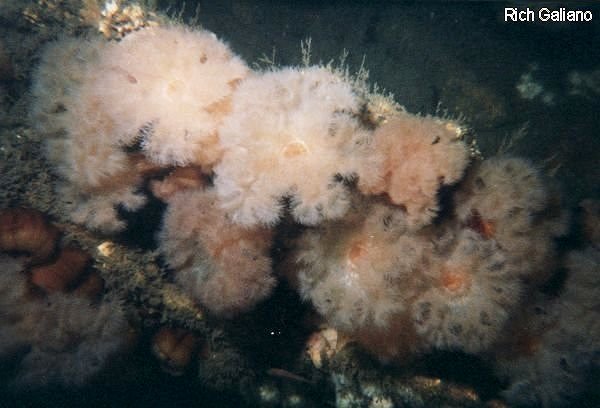
Sea Urchins may be found on any solid structure, from tidal rocks to deep wrecks, although in our region they are more common in shallow estuarine waters than offshore.

This animal is related to the starfish, and shares many of its traits, with one exception. Starfish are predators, feeding upon clams and mussels, while these sea urchins are strict vegetarians. I once ordered Sea Urchin at a sushi bar, but I never even tasted it, it smelled so bad. Nonetheless, it is a delicacy in much of the far east. Unlike tropical black urchins, our northern ones are not poisonous, and the spines are not even particularly sharp.