New Jersey Artificial Reef Sites (7/19)

New Jersey Artificial Reefs

 1  6 7 8  19  


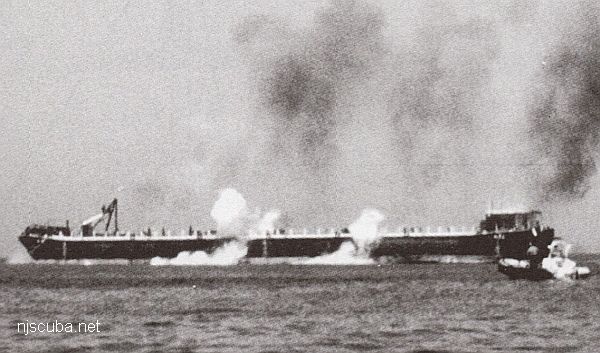
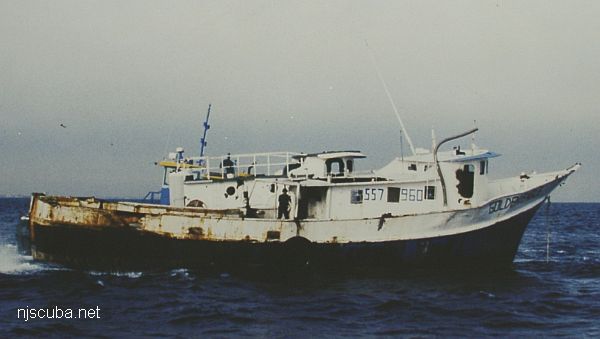
The Fisherman reef
Type:
artificial reef, tanker barge
Specs:
( 242 x 42 ft )
Sponsor:
Spentonbush Red Star Company, Sportfish Fund
Sunk:
Thursday August 7, 1997 - Sea Girt Artificial Reef
GPS:
40°07.930' -73°55.942'
Depth:
70 ft


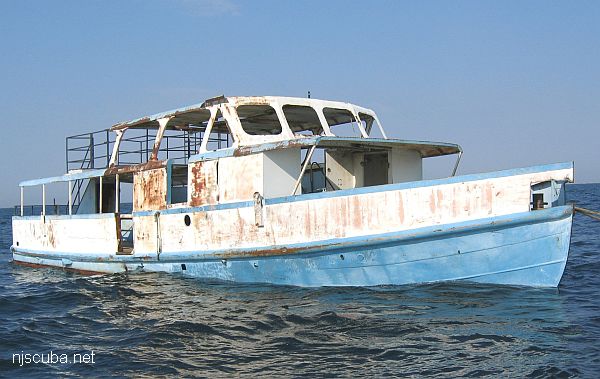
Type:
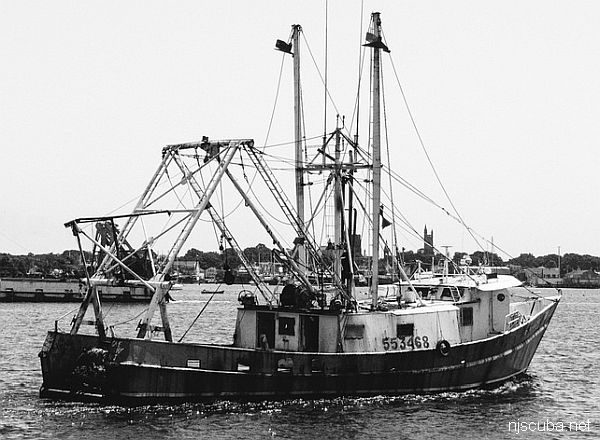
sport boat
Specs:
( 35 ft )
Sponsor:
Elmer Dowd; Sportfish Fund
Sunk:
Saturday Oct 23, 1993 - Cape May Artificial Reef
GPS:
38°51.700' -74°42.900'
Depth:
70 ft

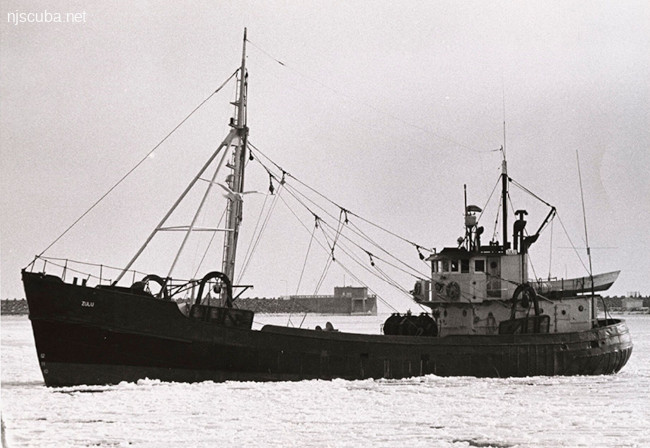
Another mystery


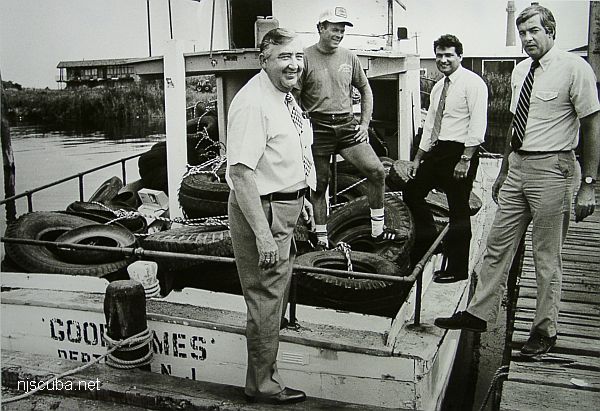
Good Times reef
Making history - the Good Times was the first vessel sunk by the New Jersey Division of Fish & Wildlife's (then) new Artificial Reef Program.
Type:
artificial reef, charter boat
Specs:
( 52 x 14 ft )
Sunk:
Wednesday August 15, 1984 - Garden State North Artificial Reef
GPS:
gone (LORAN 26873.0 43192.5 = 39.61944° -74.01639° (1989)
Depth:
80 ft

New Jersey Artificial Reef Sites

 1  6 7 8  19  

An Explanation of Professor A.A. Buhlmann's ZH-L16 Algorithm

by Paul Chapman

Note to new divers and potential new divers:

This information is presented for general interest. Don't be scared off by what you see here - you don't need to learn any of this to become a safe and competent scuba diver. You will however need to understand dive planning.

The following is a summary of the decompression algorithm described by Dr A.A. Buhlmann in the fourth edition of his book Tauchmedizin ( diving medicine ) published in 1995 ( only in German. ) the book contains a considerable amount of other information and is published by Springer-Verlag ISBN 3-540-58970-8. Rumor has it that at the time of writing ( November 1999 ) an English translation is being prepared for publishing, so hopefully, in due course, this document will become redundant.

The algorithm is simply a "recipe" for modeling the behavior of inert gases, which diffuse in and out of our body tissues when breathed under varying pressures. The intention is that if the recipe models the actual processes in our bodies accurately enough, it can be used to plan dives ( and other pressure exposures ) with a view to avoiding decompression sickness.