New Jersey Artificial Reef Sites (16/19)

New Jersey Artificial Reefs

 1  15 16 17  19  

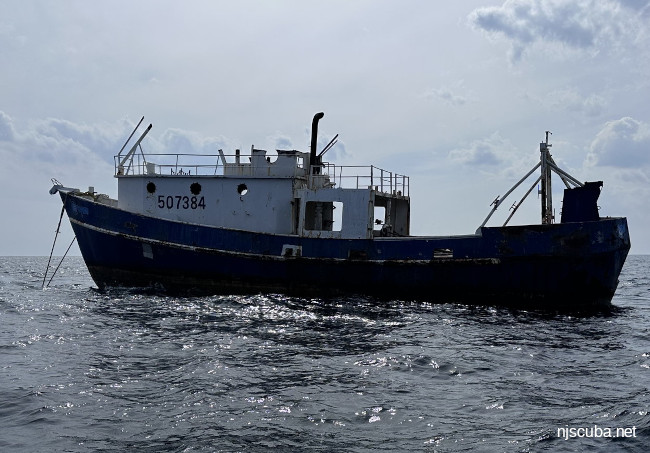
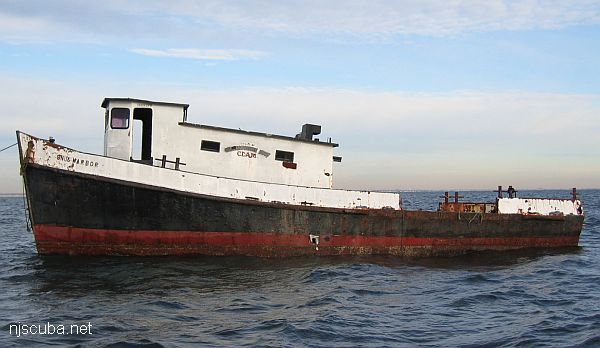
Snug Harbor reef
Type:
artificial reef, trawler
Built:
1954, N.R. Norton Welding Co, Bayou La Batre, AL USA
Specs:
( 65 ft ) 50 GT
Sponsor:
Manasquan River Marlin & Tuna Club, Ann E Clark Foundation
Sunk:
Saturday January 28, 2006 - Axel Carlson Artificial Reef
GPS:
40°03.452' -73°59.985'
Depth:
80 ft

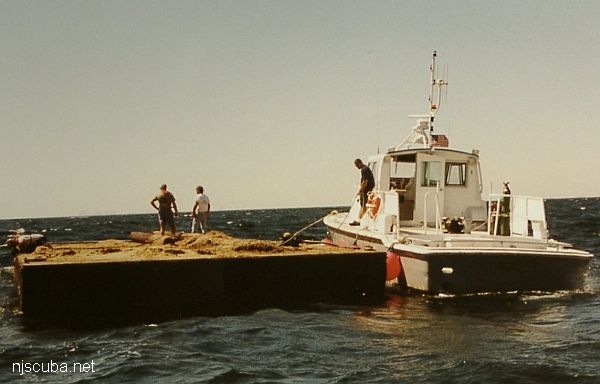
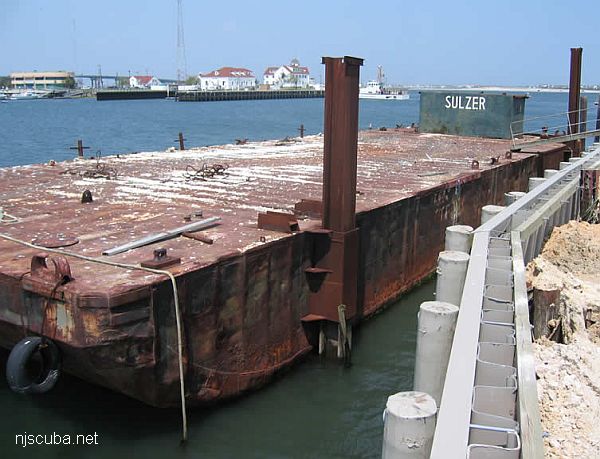
Butterick reef
Type:
artificial reef, barge
Built:
1989
Specs:
( 62 x 22 ft )
Sponsor:
Berman family, United Jewish Community Fund of Harrisburg
Sunk:
Friday Sept 13, 2002 - Little Egg Artificial Reef
GPS:
39°28.560' -74°11.300'


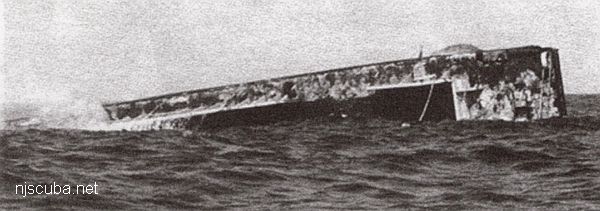
Starcraft reef
Type:
artificial reef, barge
Built:
1936, Port Richmond, NY USA
Specs:
( 150 x 40 ft ) 684 GT
Sponsor:
Eklof Marine, Ocean Wreck Divers club, Artificial Reef Association, Village Harbor Fishing Club
Sunk:
Wednesday May 11, 1994 - Garden State South Artificial Reef
GPS:
39°33.528' -74°06.309'


Type:
artificial reef, barge (3)
Specs:
( unknown )
Sunk:
Thursday May 16, 2019 - Townsends Inlet Artificial Reef
GPS:
39°06.446' -74°36.429'
39°06.479' -74°36.316'
39°06.452' -74°36.455'

There was never any public notice of these sinkings, although they appeared later in lists.


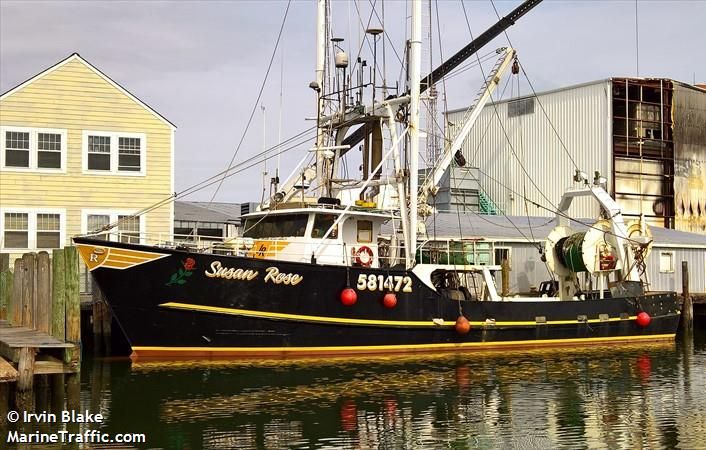
Type:
artificial reef, trawler
Built:
1977, Steiner Shipyard, Bayou La Batre AL as Margaret Rose
Specs:
( 77 ft ) 142 gross tons
Sunk:
Thursday Feb 13, 2025 - Manasquan Artificial Reef
GPS:
NJDEP Private Fishing Hole
Depth:
75 ft

The Susan Rose is a secret reef, sunk with no public notice or announcement. It will no doubt be used for another "period of successional development and monitoring" like the Carrabassett since 2024 and the New England Coast since 2023. Here is the NJDEP contact form if you would like to inquire about the progress of these studies:


New Jersey Artificial Reef Sites

 1  15 16 17  19  

Mud Hole

With rare exceptions, scuba diving is a bottom-fixated activity. In the region covered in this website, one may encounter many different bottom types, from rocky pinnacles around Block Island to white sands off Cape May to mud and oyster beds in any estuary. This variation is far greater and more interesting than is found in the tropics. Here is some explanation of what bottom compositions are found where and why: