Morania Abaco

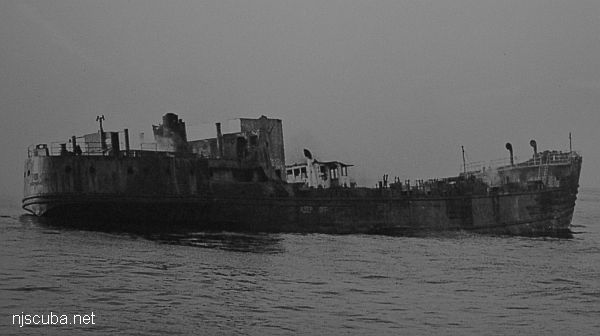
Morania Abaco reef
Type:
artificial reef, tanker, USA
Built:
1958, RTC Shipbuilding, Camden NJ USA
Specs:
( 264 x 48 ft )
Sponsor:
Morania Oil Company, Army Reserve, Navy EOD
Sunk:
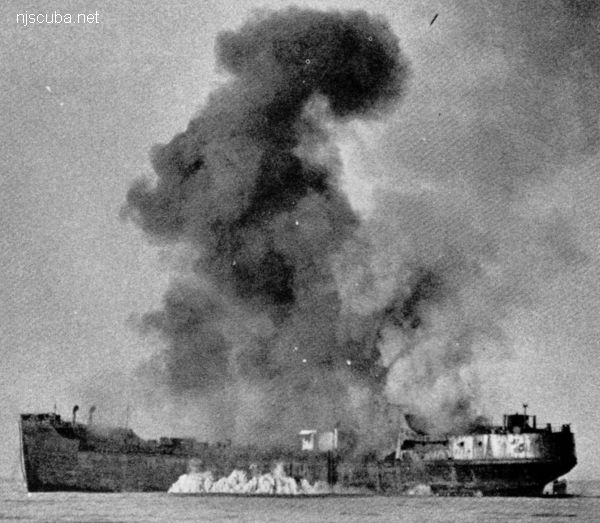
Monday November 18, 1985 - Atlantic City Artificial Reef
GPS:
39°14.133' -74°12.154'
Depth:
110 ft
Morania Abaco reef
Morania Abaco reef
The vessel was sunk by a Navy demolitions team from Earle Naval Weapons Station

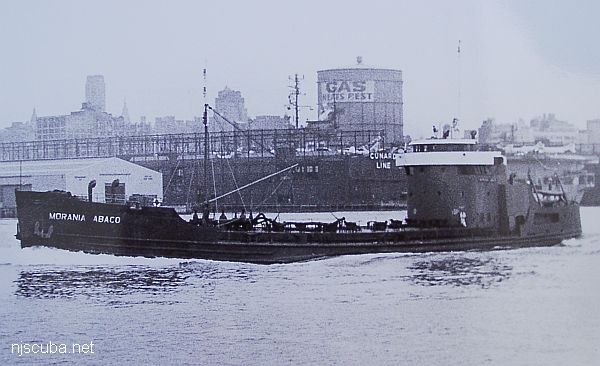
The Morania Abaco sits upright on a sandy bottom looming of the sea floor, looking like the classic "made for TV" shipwreck. Penetration is easy. Two levels of her pilothouse were removed before sinking, as was her engine. Fish abound, and lobster can be found in her lower compartments. Visibility is typical for the area, ranging from 20 to 50 ft. When water is clearer in August and September, she's a good photography wreck.

Historic photo courtesy of McAllister Towing


Comments on Morania Abaco

Questions or Inquiries?

Just want to say Hello? Sign the .

Submit a Comment

Your email address will not be published. Required fields are marked *


Click image to replace if unable to read.

Enter the digits from the image above, except for the last one:

This site uses Akismet to reduce spam. Learn how your comment data is processed.


The Mullica River

Chapter 4

Hidden History of Maritime New Jersey

The Mullica River Shipwrecks and the Revolutionary War

reprinted from
Hidden History of Maritime New Jersey
Steve Nagiewicz

New Jersey has commonly been known as the "Crossroads of the American Revolution." So many of the major Revolutionary War battles were fought here at places that jump off the pages of our history textbooks, like the Battles of Monmouth, Princeton, and Trenton and, of course, the iconic Delaware Crossing on Christmas Day by General George Washington in 1776. Washington and his main army, it seems, had spent more time in New Jersey than any other place. Of course, New Jersey's geographic position between New York and Philadelphia was a large part of that "Crossroads" title. Not surprisingly, the ocean provided another type of crossroad - one that was faster, more direct, and with the ability to send large amounts of supplies and troops by sea and along our coastline.