World War II (2/4)

World War I

World War I Losses

World War II

World War II Losses

 1 2 3 4  

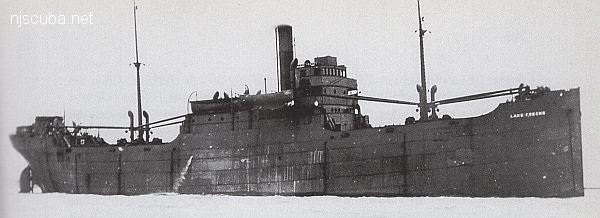
Shipwreck Gulf Trade
Type:
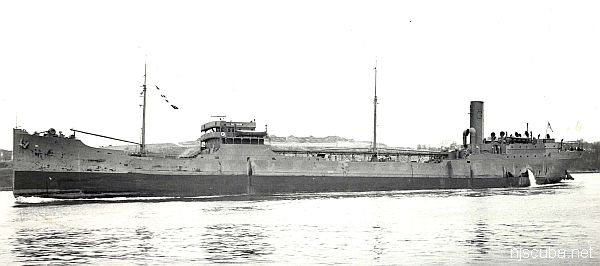
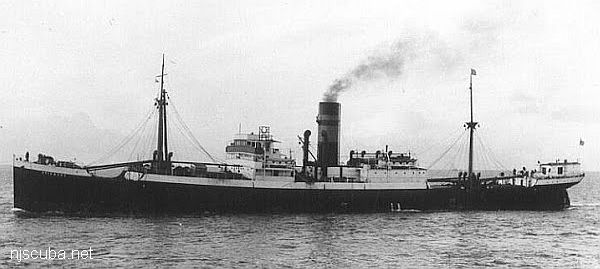
shipwreck, tanker, USA ( Gulf Oil )
Name:
One of a series of ships owned by Gulf Oil company, all named "Gulf ____"
Built:
1920, Sun Shipbuilding, Chester PA USA
Specs:
( 430 x 59 ft ) 6776 gross tons, 34 crew
Sunk:
Tuesday March 10, 1942
torpedoed by U-588 - 18 casualties
Depth:
bow - 60 ft ; stern - 90 ft

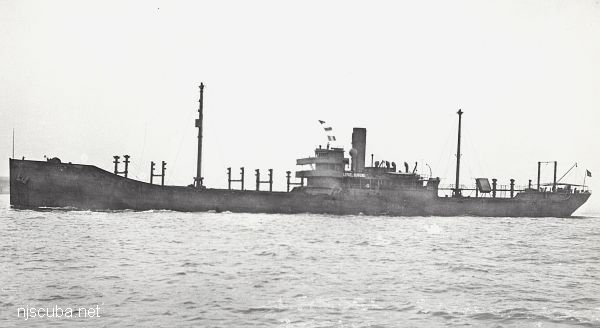
Shipwreck Gypsum Prince
Type:
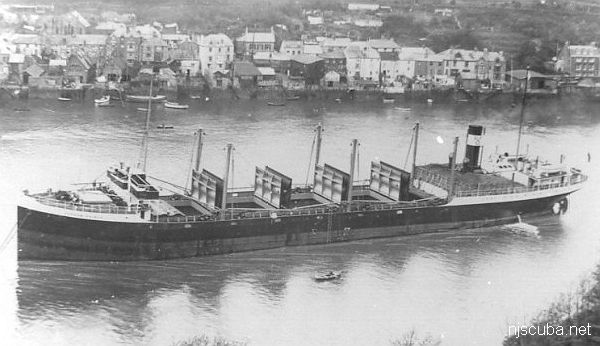
shipwreck, freighter, England
Built:
1927, England
Specs:
( 347 x 52 ft ) 3915 gross tons, 26 crew
Sunk:
Sunday May 3, 1942
collision with freighter Voco ( 5090 tons) - 6 casualties
Depth:
70 ft

Type:
shipwreck, sailing ship
Specs:
965 tons
Sunk:
Wednesday February 17, 1943
possibly collision with barge F.F. Clain
Depth:
80 ft

The Harry Rush is described as a freighter by Krotee, not always the most reliable source. The wreck commonly known as the Harry Rush is a sailing ship. The wreck is the typical three parallel wooden walls, very low-lying, with some steam machinery and chain pile at the west end. The orientation of the wreck is unusual, as if it sank while running for the shore, rather than riding out a storm. The absence of towing bits makes it likely this was a true sailing ship rather than a schooner barge.


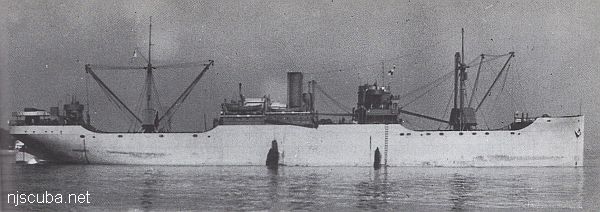
Shipwreck Hvoslef
Type:
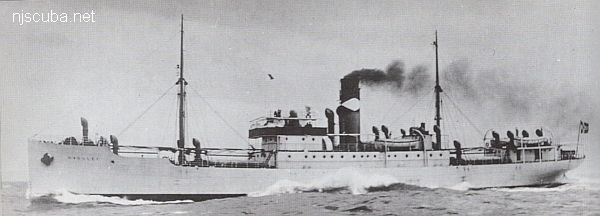
shipwreck, freighter, Norway
Built:
1927, England
Specs:
( 255 x 35 ft ) 1630 gross tons, 20 crew
Sunk:
Tuesday March 10, 1942
torpedoed by U-94 - 6 casualties
Depth:
140 ft

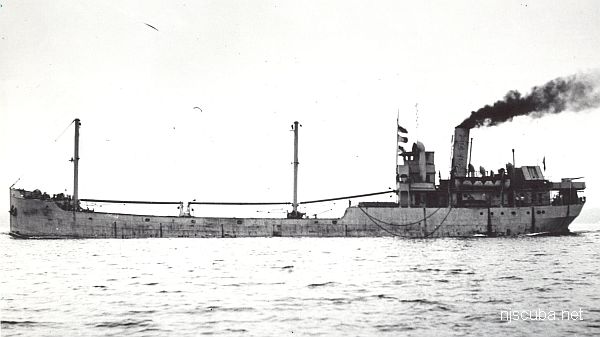
Shipwreck India Arrow
Type:
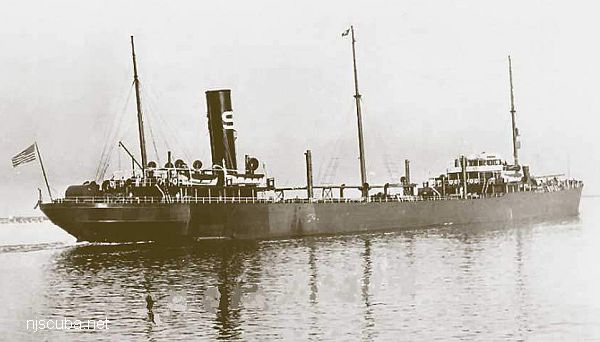
shipwreck, tanker, USA
Built:
1921, Bethlehem Quincy, Quincy MA USA
Specs:
( 468 x 62 ft ) 8327 gross tons, 38 crew
Sunk:
Wednesday February 4, 1942
torpedoed by U-103 - 12 survivors
Depth:
190 ft


Shipwreck Lemuel Burrows
Type:
shipwreck, collier, USA
Built:
1917, New York Shipbuilding, Camden NJ USA, as Deepwater
Specs:
( 437 x 63 ft ) 7610 gross tons, 34 crew
Sunk:
Saturday March 14, 1942
torpedoed by U-404 - 20 casualties
Depth:
80 ft


Shipwreck SS Miraflores
Type:
shipwreck, freighter, Britain
Built:
1921, England
Specs:
( 270 x 39 ft ) 2755 gross tons, 34 crew
Sunk:
Thursday February 19, 1942
torpedoed by U-432 - no survivors
Depth:
165 ft

World War II

 1 2 3 4  

There are on the market today portable underwater direction-finding units that home in on each other by sound. These provide similar functionality to a strobe light, but with ( theoretically ) longer range, and are ( theoretically ) unaffected by water conditions and visibility. They are also very expensive, and prone to failure when a large object or wall gets between the two units. A number of times I have seen people get lost because they counted on one of these gadgets, and it didn't work.

Perhaps the most disturbing thing about these devices is that their users seem to be mostly beginners who place unfounded faith in them, probably because they paid so much for it at the dive shop. They seem to hit the water in "brain-off" mode, counting on their expensive gadgets to get them home, and making little or no effort at other forms of navigation. Unfortunately, these people are probably the least able to cope with the emergency situation that arises when they find out just how reliable their little sonar toy isn't. Learn to use a wreck reel instead.