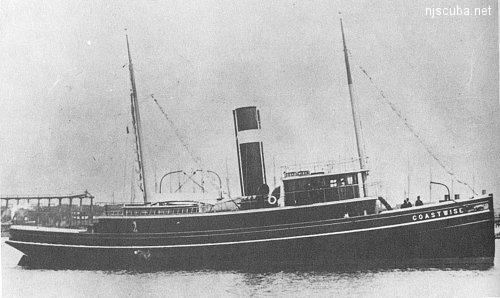
Garden State North Artificial Reef
Garden State North Artificial Reef
6.5 Nautical Miles off Harvey Cedars, 1.50 sq miles
Depth: 65-85 ft [download]
Good Times and Queen Mary are plotted from 1989 LORAN numbers. Although the TDs are slightly different, the resulting conversions are identical. It doesn't matter, neither one is still there.


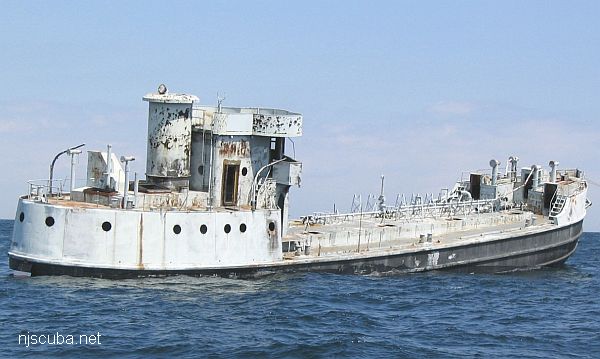
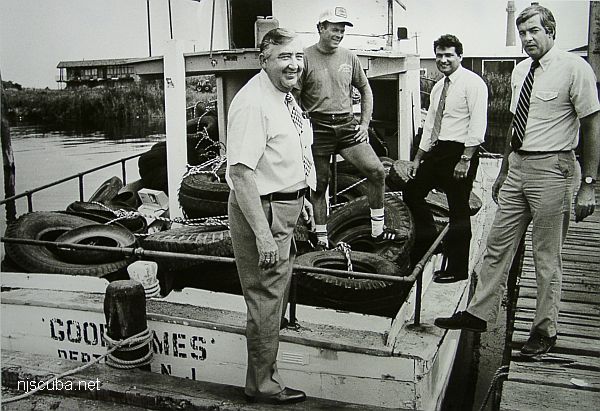
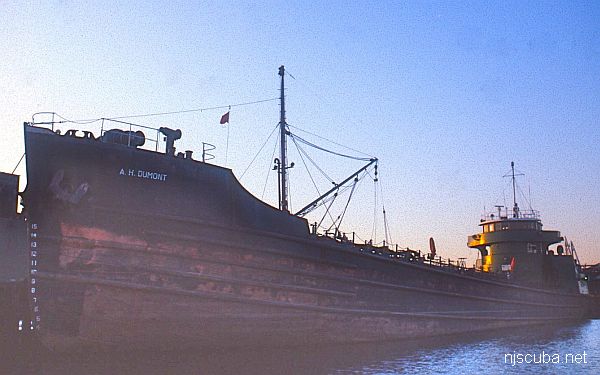
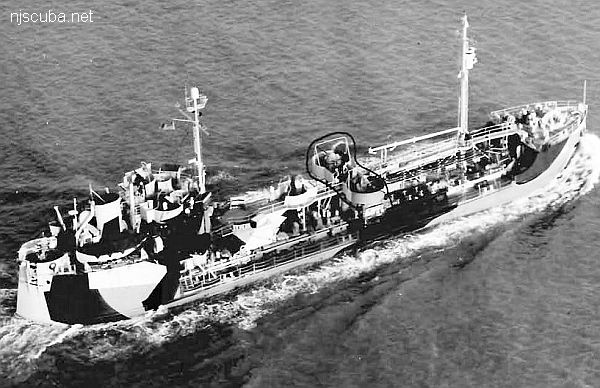
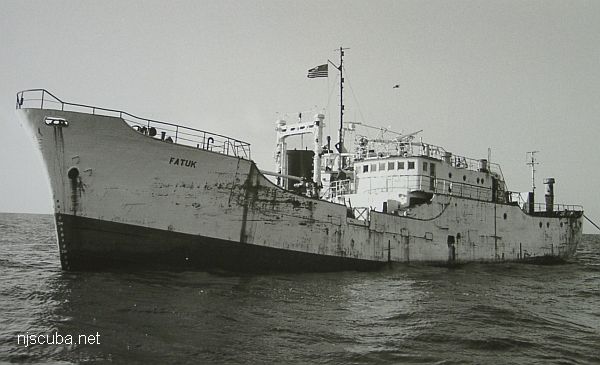
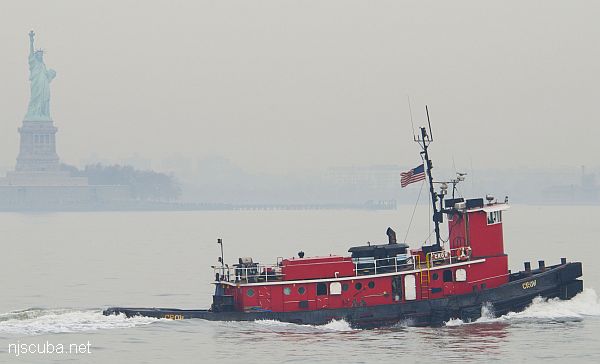
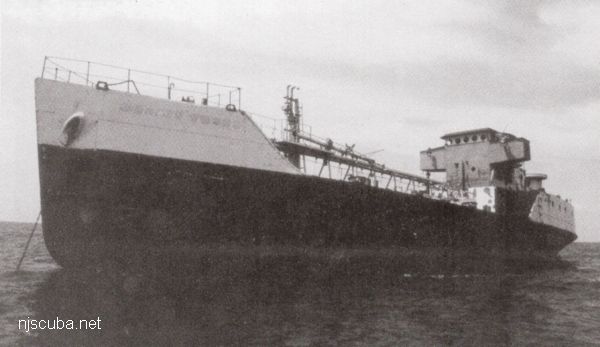
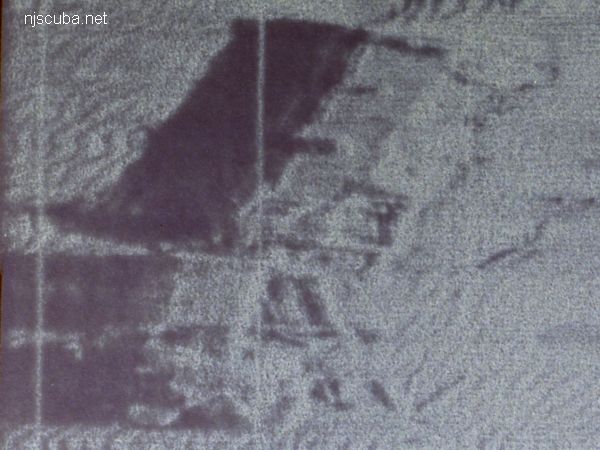
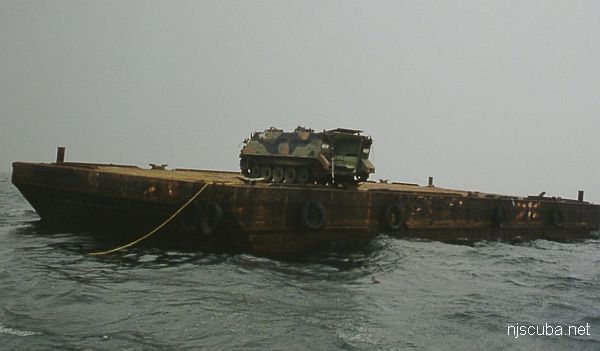
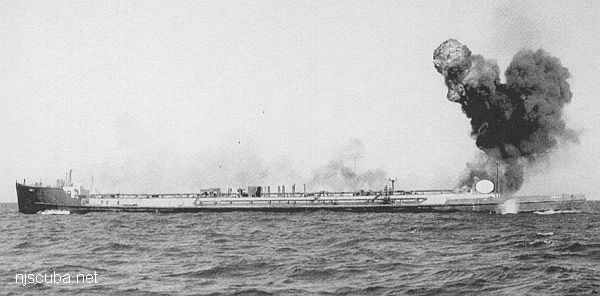
This reef is also scattered with Army tanks, and tire units in the east. (not shown) The subway cars are not plotted as they have disintegrated after 20 years. Minimum clearance at mean low water is 50 feet.
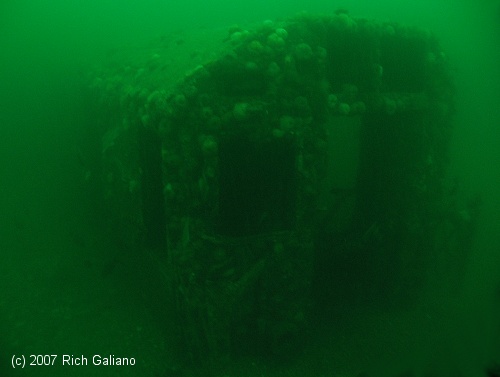
- Type:
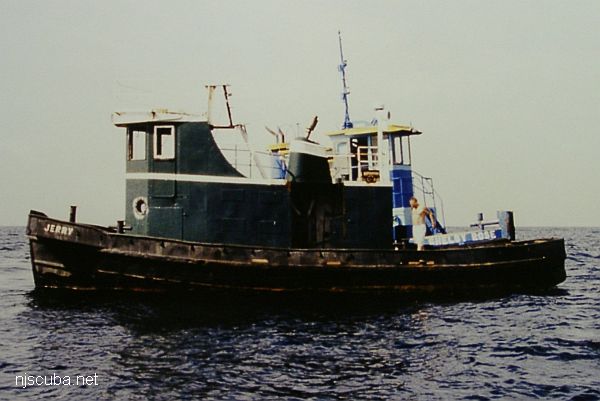
- artificial reef, tugboat
- Built:
- 1952, Gulfport Shipbuilding, Port Arthur TX USA
- Specs:
- ( 42 x 15 ft ) 27 tons
- Sponsor:
- Artificial Reef Association
- Sunk:
- Monday September 15, 1997 - Garden State North Artificial Reef
- GPS:
- 39°37.757' -74°00.828'
- Depth:
- 80 ft
More: Jerry ...
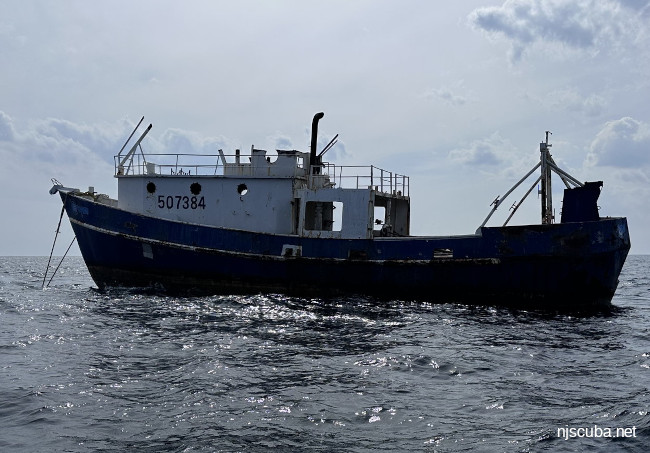
- Type:
- artificial reef, trawler
- Built:
- 1967, Rockport Yacht & Supply Co. (RYSCO), Rockport TX as Faneca
- Specs:
- ( 95 ft ) 66 gross tons
- Sunk:
- Friday August 11, 2023 - Garden State North Artificial Reef
- GPS:
- 39°37.249' -74°01.178'
- Depth:
- 80 ft
More: Storm ...
- Type:
- artificial reef, barge
- Specs:
- ( 106 x 36 ft )
- Sponsor:
- Penn Reels
- Sunk:
- Wednesday June 21, 1995 - Garden State North Artificial Reef
- GPS:
- 39°37.628' -74°01.643'
- Depth:
- 80 ft
More: Weeks barge ...
- Type:
- artificial reef, charter boat
- Specs:
- ( 52 x 14 ft )
- Sunk:
- Wednesday August 15, 1984 - Garden State North Artificial Reef
- GPS:
- gone (LORAN 26873.0 43192.5 = 39.61944° -74.01639° (1989)
- Depth:
- 80 ft
More: Good Times ...
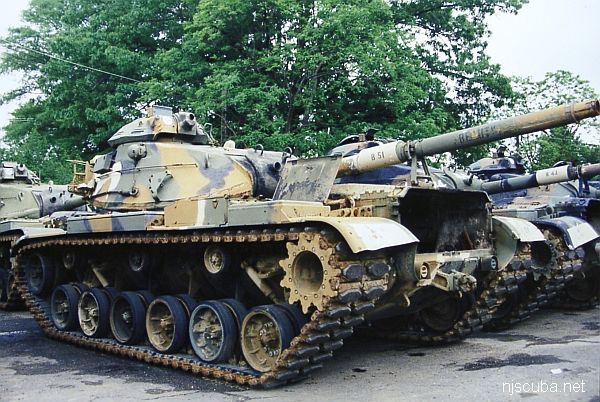
The Artificial Reef Program used four types of obsolete Army armored vehicles as artificial reef materials off the New Jersey coast. These were cleaned at local military bases, loaded onto barges for transport, and pushed off at their final destination. Once the Army had disposed of its excess inventory, the program ceased, around 1999. The Artificial Reef Program has sunk almost 400 tanks altogether, far too many to list them here in this website.
More: Army Tanks ...
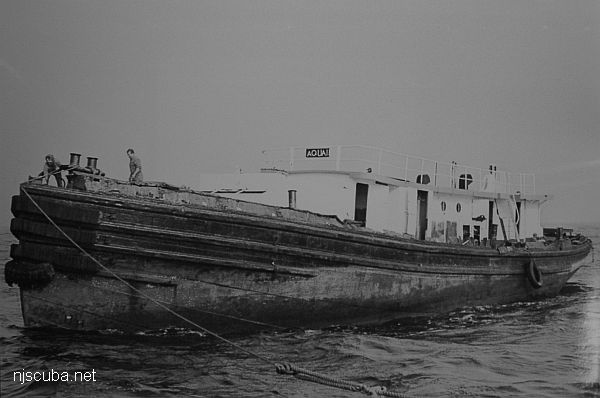
- Type:
- artificial reef, barge, water
- Built:
- 1913, ? Camden NJ USA
- Specs:
- ( 110 x 30 ft )
- Sponsor:
- Eklof Marine Co., Marine Trades Assn. of NJ, Fisherman Magazine
- Sunk:
- Saturday November 7, 1987 - Garden State North Artificial Reef
- GPS:
- 39°37.474' -74°01.217'
- Depth:
- 80 ft
More: Aqua II ...