
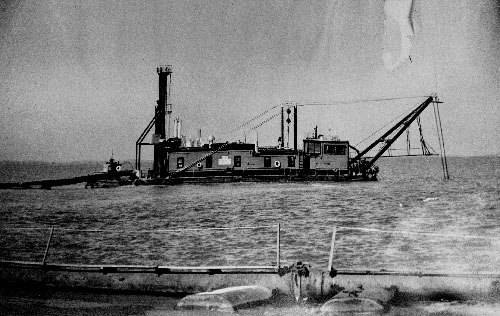
Clermont

Type:
shipwreck, dredge
Sunk:
Saturday January 8, 1927

The Clermont was at one time the world's largest dredge. She was sunk in a storm while under tow on January 8, 1927. Today she sits upright on a sandy bottom, partially intact, rising 15' off the bottom. Some of the dredge pipes are visible in the sand off the starboard side of the wreck. Divers have recovered several interesting objects from the wreck such as deck prisms and bricks from the boiler stamped "Weideimer".
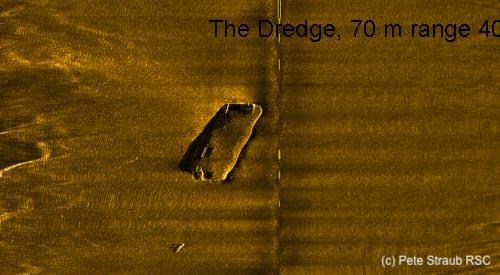
dredge
Side-scan courtesy of Stockton University

Comments on Clermont

Questions or Inquiries?

Just want to say Hello? Sign the .

Submit a Comment

Your email address will not be published. Required fields are marked *


Click image to replace if unable to read.

Enter the digits from the image above, except for the last one:

This site uses Akismet to reduce spam. Learn how your comment data is processed.


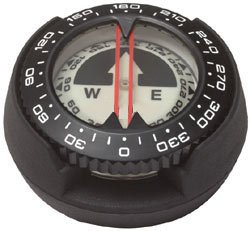
compass

A compass is the most basic and inexpensive piece of navigational equipment and should be bought at the same time as the rest of your gauges.

In a beach or inlet dive your compass is your single most important tool - it tells you which direction is the shore. When wreck diving, a compass is useless if you don't look at it until you're lost. Take a bearing as soon as you hit the bottom, just in case. In a boat dive, directions such as "turn right from the anchor" can often steer you in the opposite direction, if the current reverses and pulls the boat around to the other side. Compass bearings are much more reliable.