Artificial Reefs (10/28)

Artificial Reefs

 Page 1  9 10 11  28  

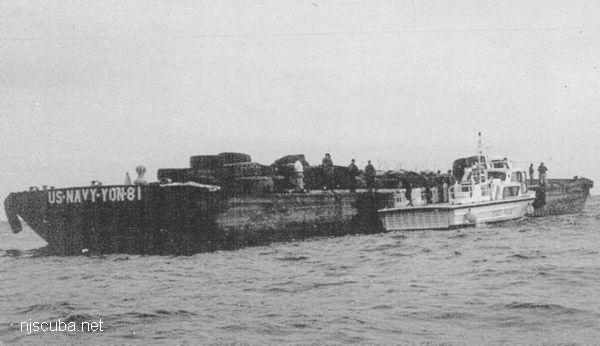
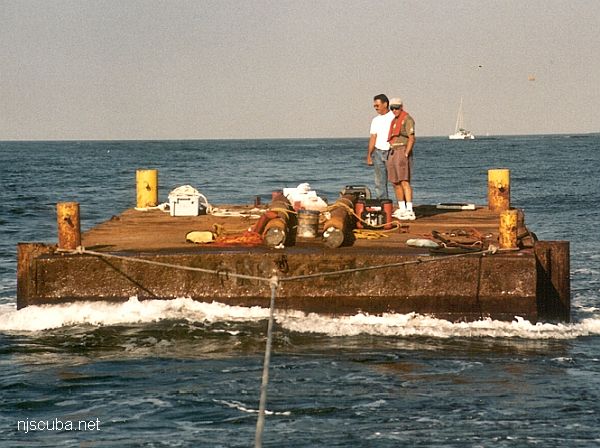
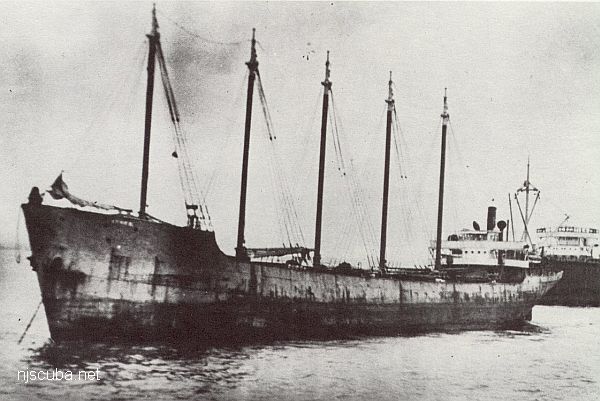
Dykes reef
Type:
artificial reef, schooner barge, USA
( The small smokestack in the pictures is for an electrical generator. )
Built:
1919, Union Shipbuilding, Baltimore MD USA
Specs:
( 306 x 35 ft ) 2072 tons, 14 crew
Sponsor:
Modern Transportation Co.
Sunk:
July 1983 - Sea Girt Artificial Reef
GPS:
40°06.964' -73°57.571'
Depth:
65 ft


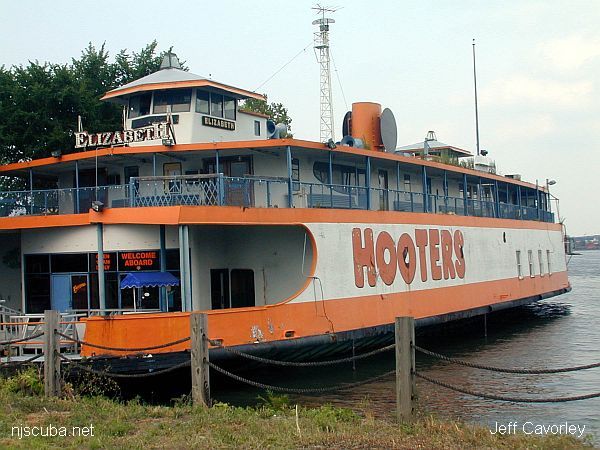
Hooters reef
An undignified end for the sole remaining CRRNJ ferry Elizabeth
Type:
artificial reef, ferry, Central Railroad of New Jersey, USA
Name:
All CRRNJ ferries were named for New Jersey towns - Lakewood, Bound Brook, Red Bank, Plainfield, Elizabeth, Wilkes Barre, Cranford, Somerville, Westfield, and Bound Brook
Built:
1901, Harlan & Hollingsworth Wilmington DE USA, as Lakewood
Specs:
( 200 x 44 ft ) 1016 gross tons
Sponsor:
NJ Coast 2005 Initiative
Sunk:
Wednesday August 3, 2005 - Cape May Artificial Reef
GPS:
38°50.682' -74°43.078'
Depth:
75 ft


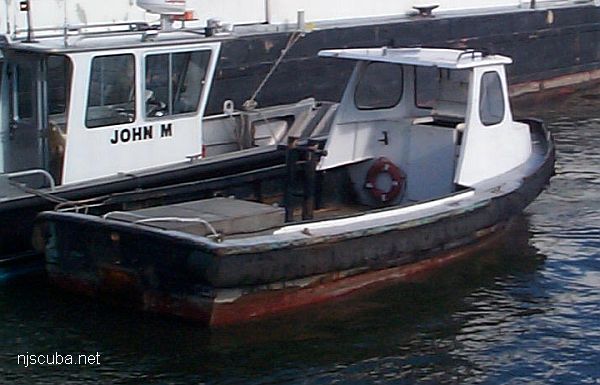
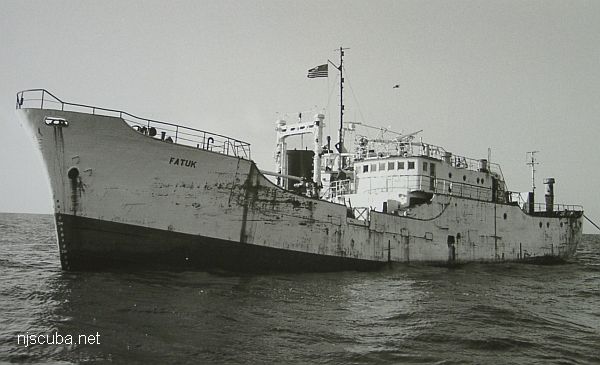
Fatuk reef
Type:
artificial reef, freighter
Built:
1963, Japan
Specs:
( 160 x 25 ft )
Sponsor:
US Customs Service, Fish America, Sportfish Fund
Sunk:
Thursday October 27, 1988 - Garden State North Artificial Reef
GPS:
39°37.609' -74°01.037'
Depth:
80 ft


regulator

First stages come in several forms. Your main options are generally:

  • balanced or unbalanced
  • piston or diaphragm
  • sealed or unsealed

Manufacturers will try to make a big deal out of these and various other features. Here's what I think:

  • balanced or unbalanced - Today only the very cheapest regs are unbalanced designs. Breathing performance will suffer, and any reg that cheap will likely be deficient in other areas. There is no reason to buy an unbalanced first stage.
  • piston or diaphragm - This doesn't much matter, there are good designs that use both systems - worry about other things.
  • sealed or unsealed - This refers to whether or not water can enter the first stage. If water can enter, then so can sand and grit, which will inevitably cause a malfunction, probably while you are in the water. Also, for cold-water diving ( not ice diving, just cold water, say 45°F ), the water inside the first stage could actually freeze, with the same result. Do not buy an unsealed regulator for use around here. In fact, don't buy one, period. Sealed designs are generally more expensive to buy and maintain, but it is worth the extra cost. Some regulators ( Genesis, Sherwood ) accomplish the same effect without technically being sealed. This is just as good, maybe better, because the design is simpler.