
barges - Shinnecock Artificial Reef
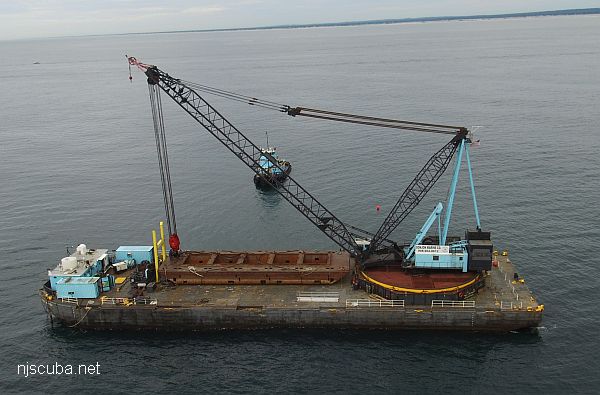
- Type:
- artificial reef, barges
- Depth:
- 79 - 84 ft
| Name | Description | Sunk | GPS |
| 60 ft steel dredge |
1987 | 40°48.063' -72°28.622 |
|
| Caddell | 157 ft wood drydock |
Wednesday September 12, 1990 |
40°48.007' -72°28.634' |
| Dump Scow DS-106 |
100 ft steel | Wednesday June 20, 2018 |
40°48.179' -72°28.461' |
| Shannon C | 60 ft steel | Friday Nov 5, 2021 |
40°48.118' -72°28.390' |
| Henri | 130 ft steel | 2025 | 40°47.984' -72°28.486' |
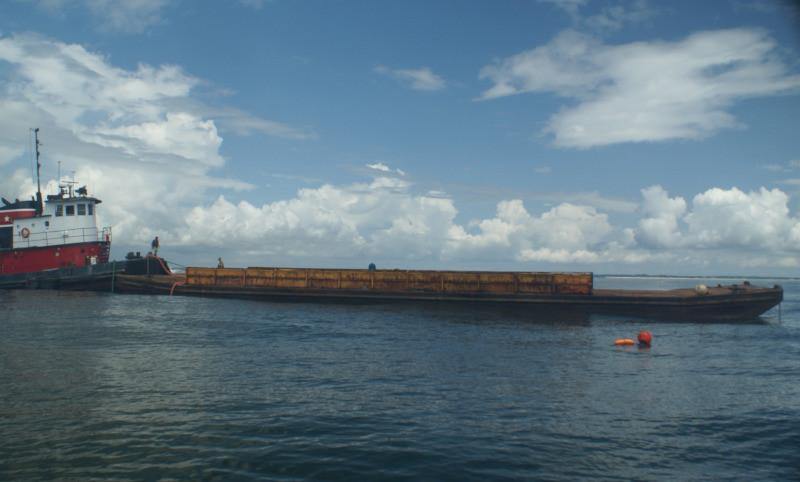
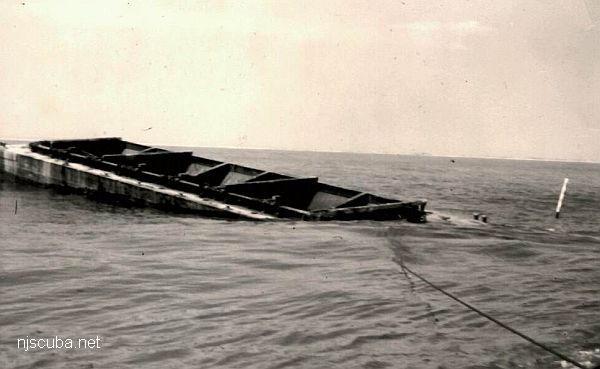
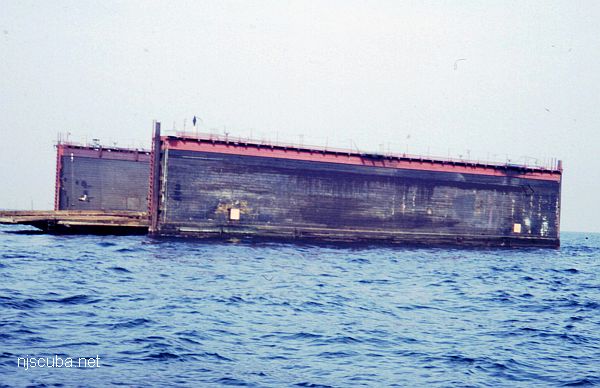
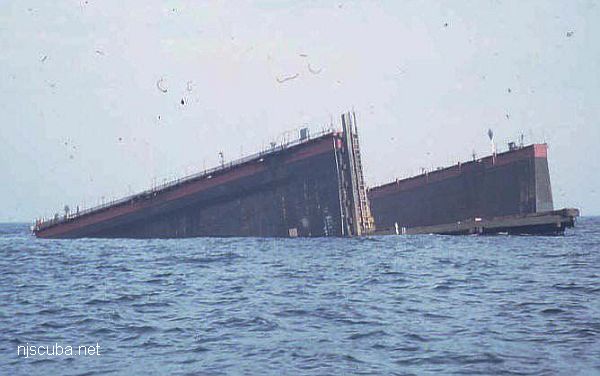
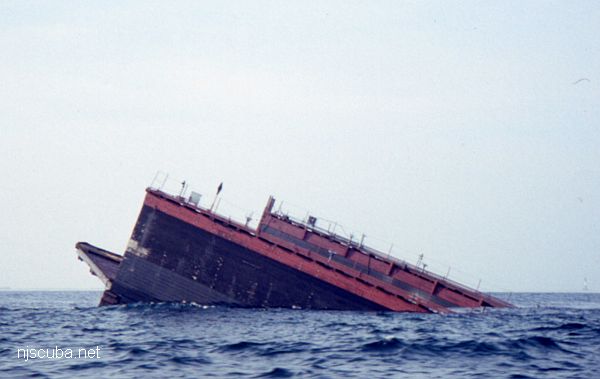
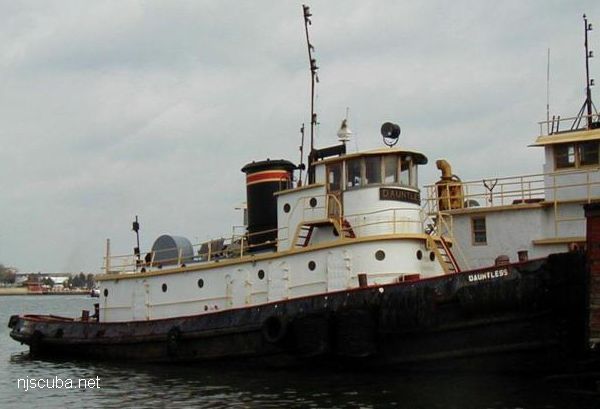
New York has attached these pictures to the Fire Island Reef. I believe that is an error.
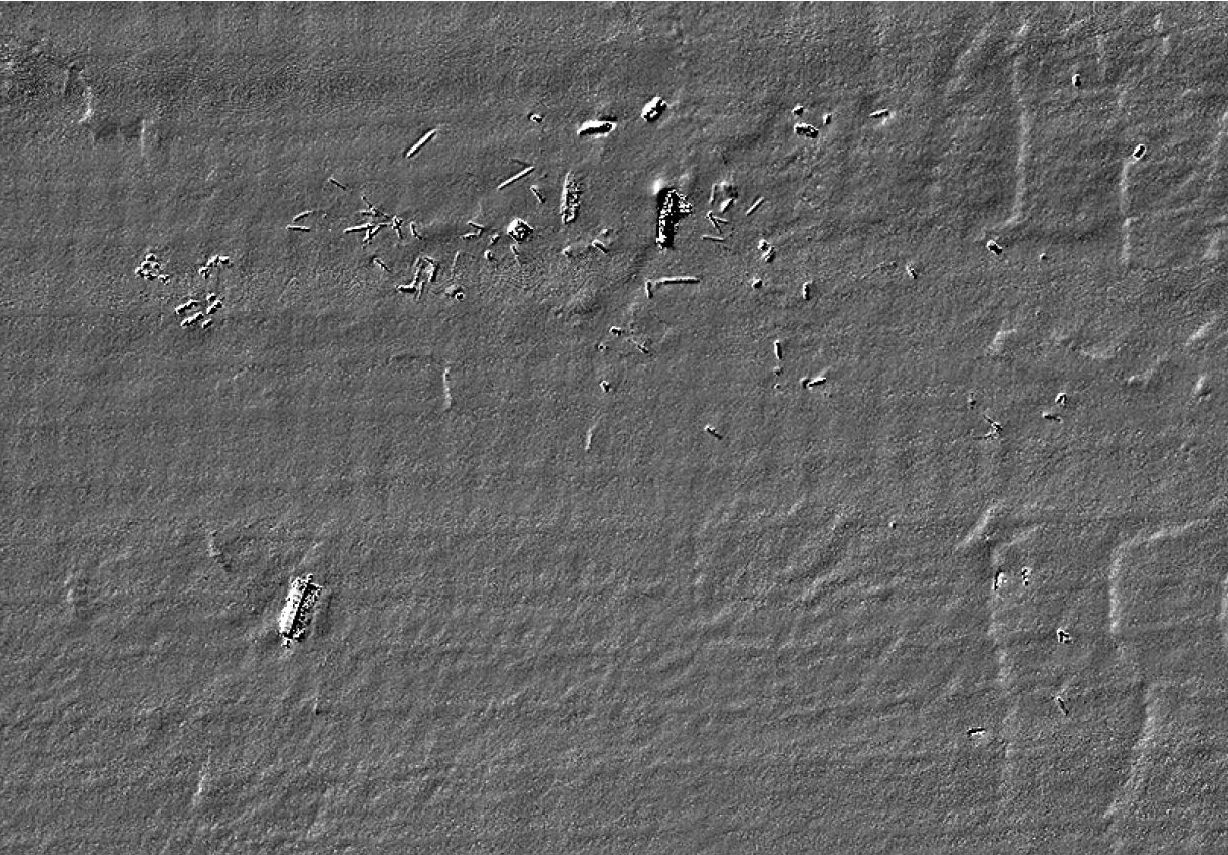
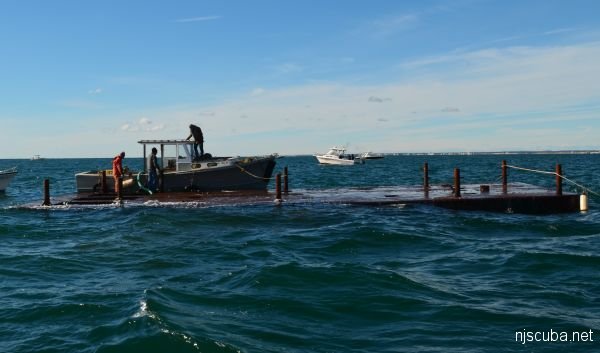
Artificial Reef Sites, Artificial Reefs, Barges, New York Artificial Reef Sites, New York Artificial Reefs, Shinnecock Artificial Reef,
Shinnecock Artificial Reef (historical)
( 40.80139, -72.47293 )
2.0 Nautical miles south of Shinnecock Inlet, 0.55 sq miles
Depth: 76 - 84 ft
More: Shinnecock Artificial Reef ...
Long Island - East Chart
- 3/4 Tug
- Amsterdam
- Andrea Doria
- Atlantic
- USS Baldwin
- Barataria
- USS Bass
- Black Point
- Burnside
- Coastwise
- Coimbra
- HMS Culloden
- Defender
- Dodger
- John A. Downs
- Essex
- USS G-1
- USS G-2
- Gate City
- Gluckauf
- Grecian
- Horton's Point / Commodore
- Hylton Castle
- John C. Fitzpatrick
- Kenosha
- Kismet Artificial Reef
- USS L-8
- Larchmont
- Lexington
- Lightburne
- Linda
- Maiden Creek
- Malden
- Mattituck Inlet
- Mattituck Artificial Reef
- Montauk Inlet
- Moriches Inlet
- Mount Sinai Harbor
- Myronus
- Norness
- USS Ohio
- Old Yankee
- Olinda
- Oregon
- Panther
- Pinnacle
- Ponquogue Bridge
- Port Jefferson Artificial Reef
- Port Jefferson Inlet
- Puszta
- Reggie
- Republic
- USS San Diego
- Sea Wolf
- Sebastian
- Shinnecock Inlet
- Shoreham Nuclear Power Plant
- Smithtown Artificial Reef
- Snug Harbor
- USS Spikefish
- Suffolk
- USS Tarantula
- Tennyson
- Thames
- Thelma Phoebe
- U-853
- Volund
- Block Island Wind Farm
- Wolcott
More: Long Island East Dive Sites Chart ...
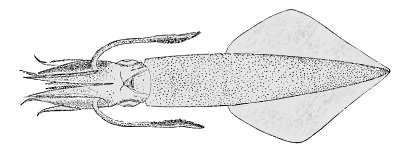
Loligo pealei
Size: to 17"
Habitat: Generally deep waters, but moves inshore in the summer. I have seen small ones at depths of 50-70 ft and babies in the rivers.
Notes:
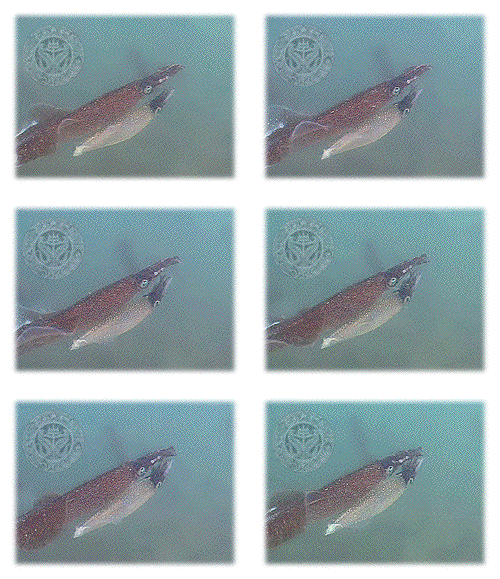
The squid is a mollusk, related to snails and clams. These animals travel in schools, swimming backwards by jet propulsion. Small specimens are nearly transparent except for the eyes. Tropical squids can show considerable intelligence and curiosity, but northern versions are, well, just stupid. I have seen huge schools of small transparent squids offshore, just their eyes visible, like black marbles. In the rivers, I have seen small schools of purple squids, and tiny colorless babies drifting in the current. All are predatory.
More: Squids ...
Questions or Inquiries?
Just want to say Hello? Sign the .