Sandy Hook Artificial Reef

Sandy Hook Artificial Reef

1.6 nautical miles off Sea Bright, 1.76 sq miles
Depth: 40-60 ft [download]


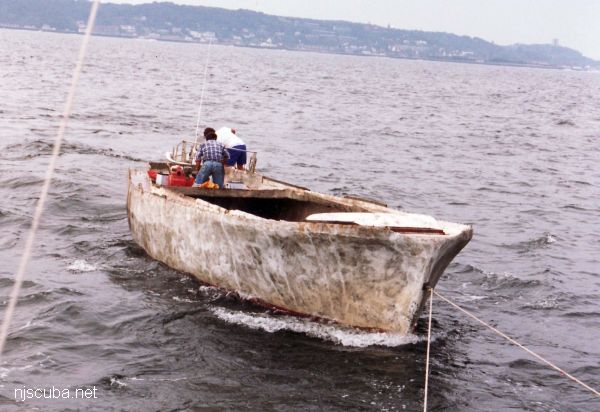
Coleman I reef
Type:
artificial reef, barge
Specs:
( 45 x 20 ft )
Sponsor:
Coleman Construction Company
Sunk:
Tuesday June 27, 1989 - Sandy Hook Artificial Reef
GPS:
40°21.060' -73°56.125'
Depth:
50 ft

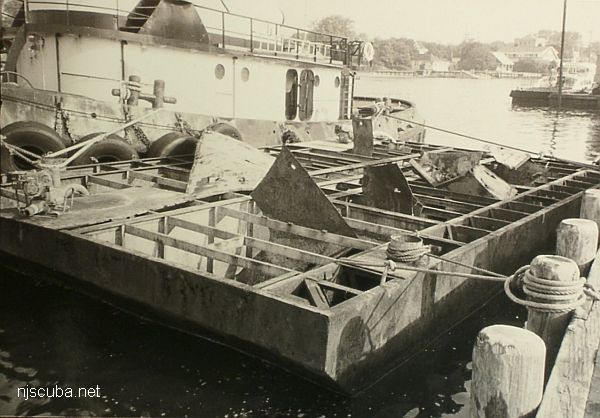
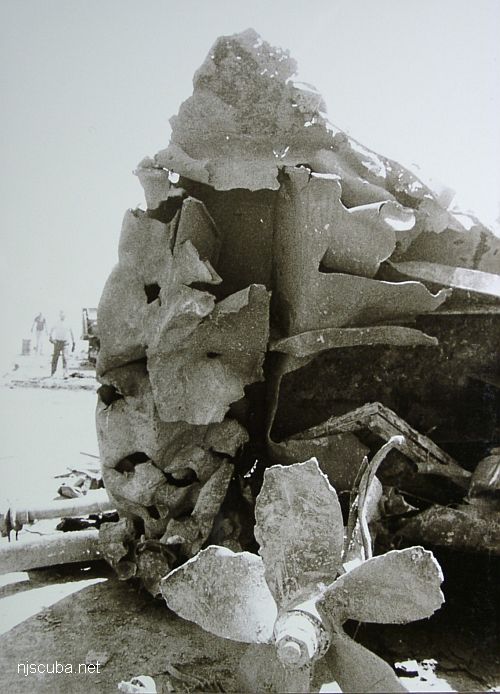
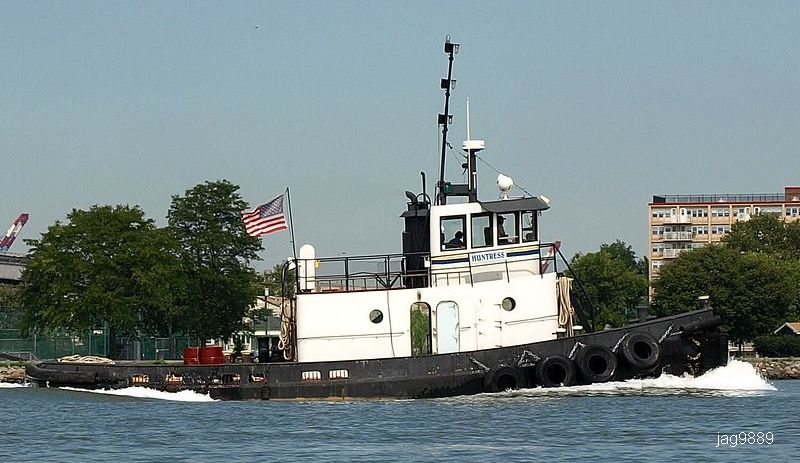
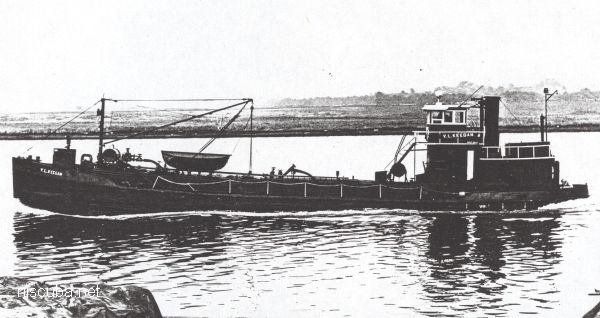
Dorothy & V.L. Keegan
Type:
artificial reef, tugboat (cut into pieces)
Specs:
( 65 ft )
Sponsor:
Spectra Services
Sunk:
Saturday June 3, 1989 - Sandy Hook Artificial Reef
GPS:
40°21.555' -73°56.103'
Depth:
60 ft


Lockwood reef
Twin Lights at upper-right
Type:
artificial reef, sailboat
Specs:
( 45 x 20 ft )
Sponsor:
Lockwood Marina
Sunk:
circa 1991 - Sandy Hook Artificial Reef
GPS:
gone
Depth:
50 ft

rock reef
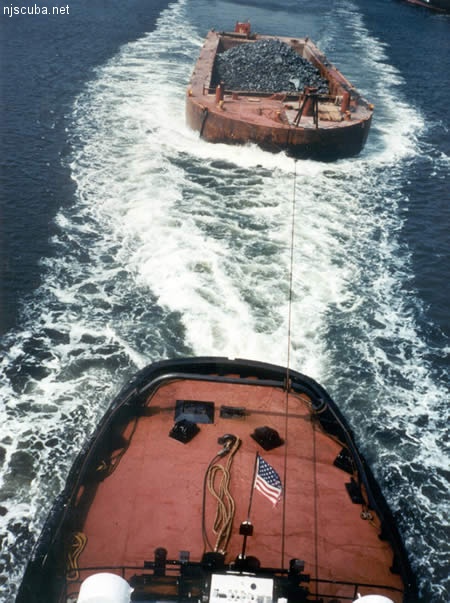
A hopper barge full of rock

All manner of concrete, steel, and stone rubble from dredging, demolition projects, and other construction is used as artificial reef materials. This material is generally available at very low cost or free from construction companies who are more than happy to get rid of it. Transportation costs determine where this material is used by the Reef Program.


Morania Abaco reef
Four explosive charges set by a U.S. Navy demolition team rip holes in the hull of the Morania Abaco on the Atlantic City Reef. ( Photo by Ray Fisk )

Old Ships Make New Homes For Fish

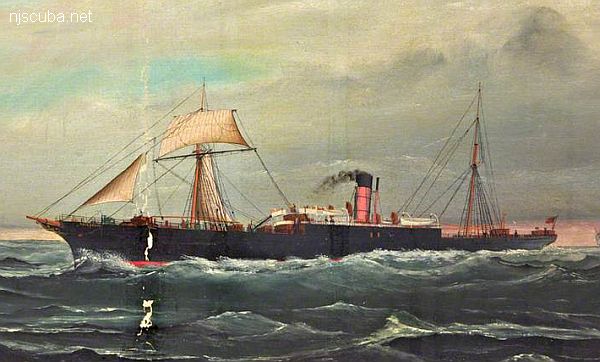
Old vessels make excellent artificial reefs. They provide high profile structure for pelagic fish, low profile structure for demersal fish, as well as surface area for the attachment of mussels, barnacles, tubeworms, and other food organisms. Shipwrecks have been the basis for the state's bottom fisheries which feature sea bass, tautog, ling, cod, and pollock. and for recreational scuba diving activities. The New Jersey coast has a large number of shipwrecks, estimates range from 500 to 3,000. These wrecks are the result of 200 years of maritime disasters and enemy submarine operations during World Wars I and II.