
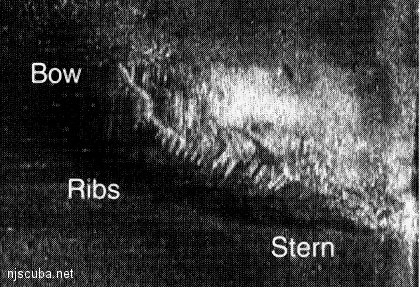
- Type:
- shipwreck, schooner
- Sunk:
- circa 1860; cause unknown
- Depth:
- 35 ft
low wood debris field, bottles, coconut shells
More: Inshore Schooner ...
Dive Sites - New York
More: New York Dive Sites ...
low wood debris field, bottles, coconut shells
More: Inshore Schooner ...
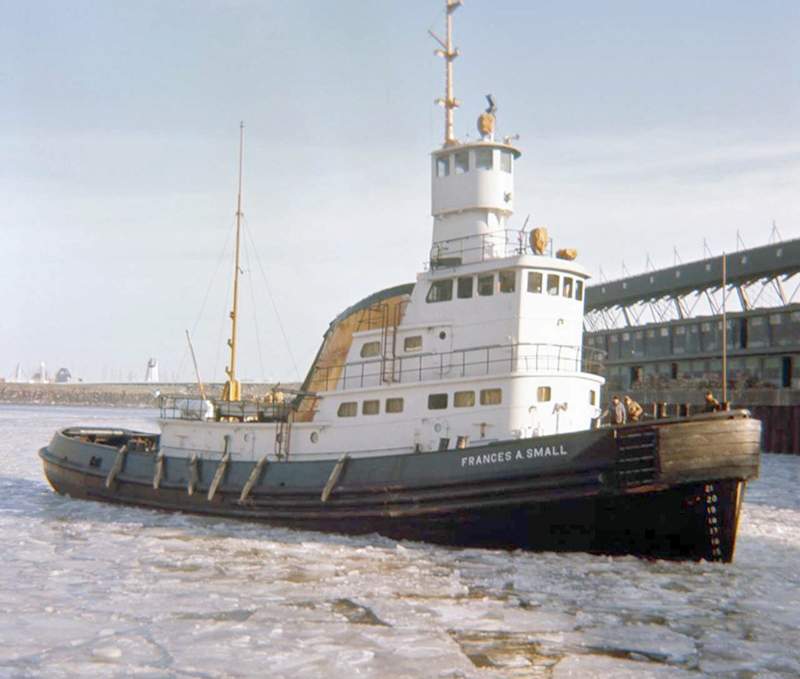
More: John A. Downs ...
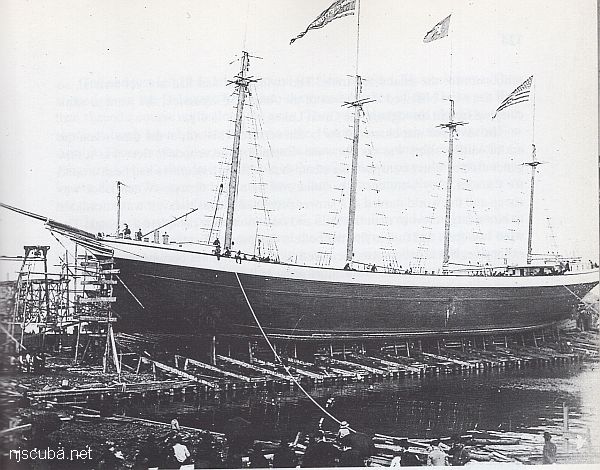
More: John C. Fitzpatrick ...
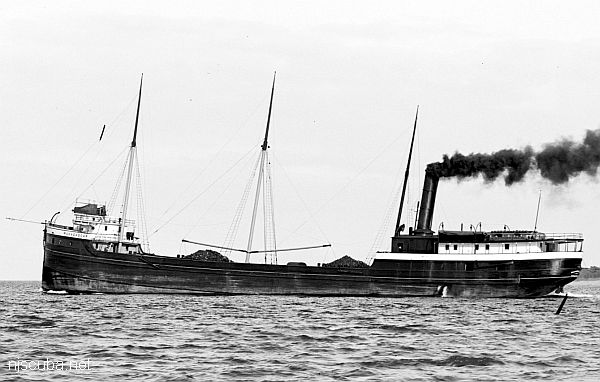
More: Kenosha ...
Kismet Artificial Reef
120 yards north of South Beach, 0.01 sq miles
Between Kismet and National Seashore dock
This reef is very close to land, it could even be a shore dive
Depth: 16 - 25 ft
More: Kismet Artificial Reef ...
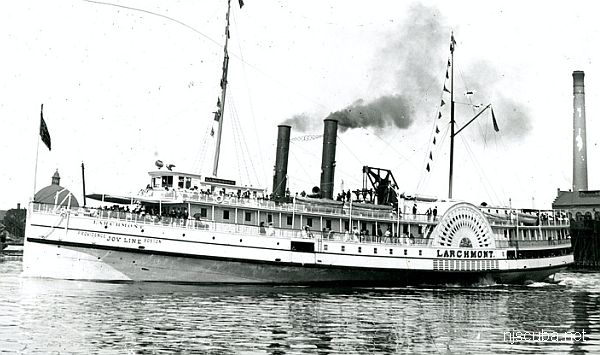
huge paddlewheels; wooden hull draped with fishing nets; hazardous currents & poor viz.
More: Larchmont ...
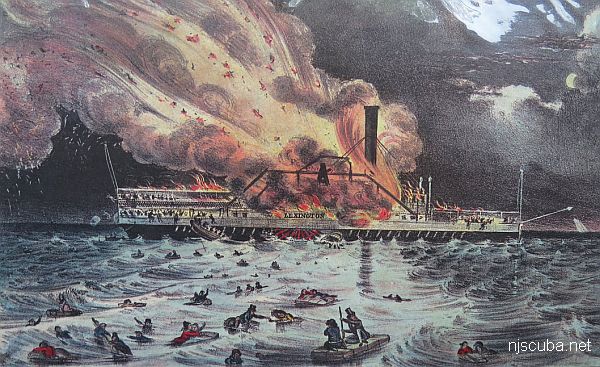
More: Lexington ...
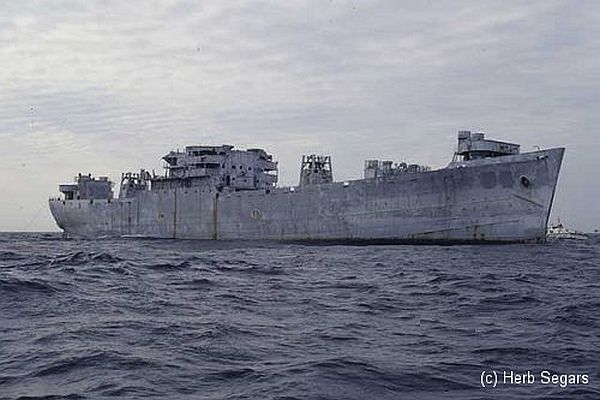
by Michael C. Barnette

Poly-chlorinated biphenols (PCBs) and heavy metals ( Pb, Cu, Ni, Cd, Zn, Ag, and Hg ) have become an issue of concern with artificial reef development, as popular reef building materials ( e.g., ex-Navy vessels ) may contain quantities of these toxic materials that may potentially be transferred through the food chain. This transference, or bioaccumulation, may have unforseen effects on the marine environment and, ultimately, human health through consumption of contaminated finfish and shellfish harvested from these reefs. However, thousands of ships have met their demise without the environmental cleansing and preparation that artificial reefs require, perhaps posing a potentially greater health risk to consumers and divers.
More: Contamination Risks of Artificial Reefs and Shipwrecks ...