Artificial Reefs (16/28)

Artificial Reefs

 Page 1  15 16 17  28  


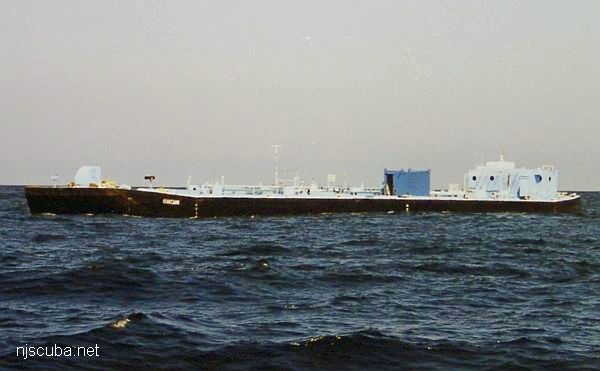
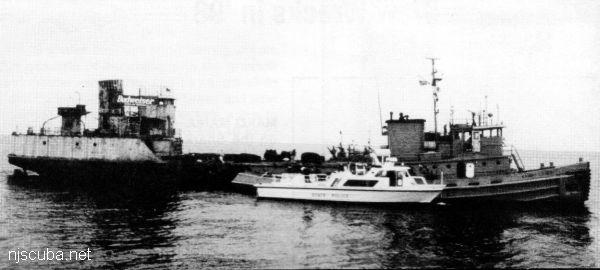
Mantank reef
Type:
artificial reef, barge
Built:
1950, Dravo Corporation, Wilmington, DE USA
Specs:
( 224 x 38 ft ) 997 GT
Sponsor:
BassBarn.com, Ann E Clark Foundation, PSE&G Habitat Restoration Fund
Sunk:
Thursday Sept 5, 2002 - Deepwater Artificial Reef
GPS:
39°58.688' -74°11.410'
Depth:
120 ft


Type:
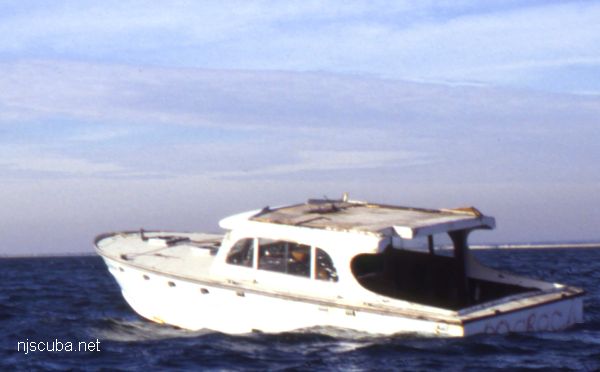
artificial reef, pleasure boat, USA
Built:
Specs:
( 50 ft )
Sunk:
1987 - Shinnecock Artificial Reef
Depth:
GPS:
40°48.171' -72°28.392'

Mary C reef
Type:
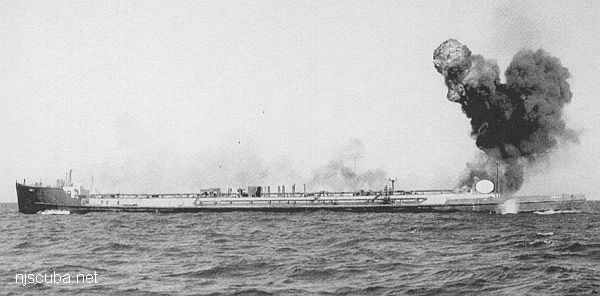
artificial reef, barge, tank
Built:
1944, East Coast Shipyards, Bayonne NJ, as AOG-23 Ammonusuc
Specs:
( 240 x 38 ft )
Sponsor:
Eklof Marine Co., Fish America, Atlantic County Reef Society, Princeton Dive Club, Village Harbor Fishing Club, Fish Hawks
Sunk:
Tuesday October 30, 1990 - Garden State North Artificial Reef
GPS:
39°37.168' -74°01.720'
Depth:
80 ft


The heavyweight cold-water wetsuit is probably responsible for the premature demise of more nascent diving careers than any other factor. These awful things are simply uncomfortable and ineffective. For all the stiffness, squeezing, bulk, and extra weight of 5-7mm wetsuit, in the end, it really doesn't keep you warm, and most cold-water wetsuit divers are pretty miserable creatures. I have seen the constriction and topside overheating of one of these things make its poor wearer sick on dry land, never mind on a boat out at sea.

manual

For an excellent guide to drysuit use, pick up a copy of DUI's drysuit owner's manual, available at most dealers for under $10.

Or just download it.

The argument that heavy cold-water wetsuits are easier to use is patently false. A wetsuit has a mind of its own and will make wide depth-dependant swings in buoyancy over which the wearer has no control. How is that better than a drysuit, which the user can consciously trim for constant buoyancy during the descent, and which semi-automatically trims itself during ascent?