New Jersey Dive Sites (19/31)

Dive Sites - New Jersey

 Page 1  18 19 20  31  

The Mullica River

Chapter 4

Hidden History of Maritime New Jersey

The Mullica River Shipwrecks and the Revolutionary War

reprinted from
Hidden History of Maritime New Jersey
Steve Nagiewicz

New Jersey has commonly been known as the "Crossroads of the American Revolution." So many of the major Revolutionary War battles were fought here at places that jump off the pages of our history textbooks, like the Battles of Monmouth, Princeton, and Trenton and, of course, the iconic Delaware Crossing on Christmas Day by General George Washington in 1776. Washington and his main army, it seems, had spent more time in New Jersey than any other place. Of course, New Jersey's geographic position between New York and Philadelphia was a large part of that "Crossroads" title. Not surprisingly, the ocean provided another type of crossroad - one that was faster, more direct, and with the ability to send large amounts of supplies and troops by sea and along our coastline.


Navesink River

Type:
tidal river / inlet
Depth:
30 ft max

Type:
barge
Depth:
85 ft

Probably so-named because it is the next-closest thing to the Pinta at the same depth. So if that wreck turns out to be occupied by another boat, you get a "New Deal". Seldom visited, so should be good for fish and lobsters. A large and relatively intact barge filled with stones. Known by many other names, depending on who you ask.


Shipwreck New Era
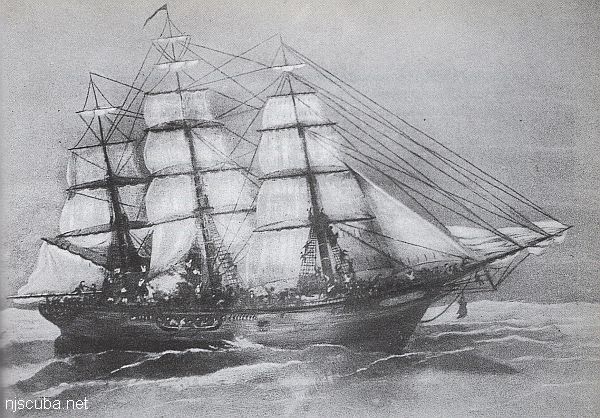
This painting is very bad - the masts and sails are all backwards !
Type:
shipwreck, clipper, USA
Specs:
1300 tons, ~500 passengers & crew
Sunk:
November 13, 1854; ran aground during storm - few survivors

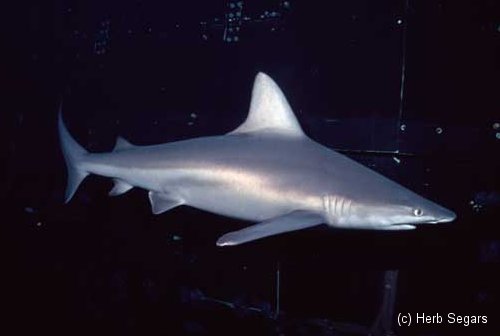
Sandbar Shark
Sandbar Shark
New Jersey State Aquarium - Camden

Volunteer divers at the aquarium assist with food preparation, cleaning and maintaining work area and exhibits, perform dive demonstrations, and assist aquarists when necessary. Volunteer must be a certified diver age 18 years and older with at least 25 logged dives; 5 in the last 2 years and 2 in the last 12 months. Volunteer must be able to commit to 2 eight-hour work shifts per month ( same day every other week. ) Volunteer applications are available at the information desk.


New Jersey Artificial Reefs


Shipwreck Northeast Sailor
Type:
shipwreck, sailing ship
Depth:
75 ft

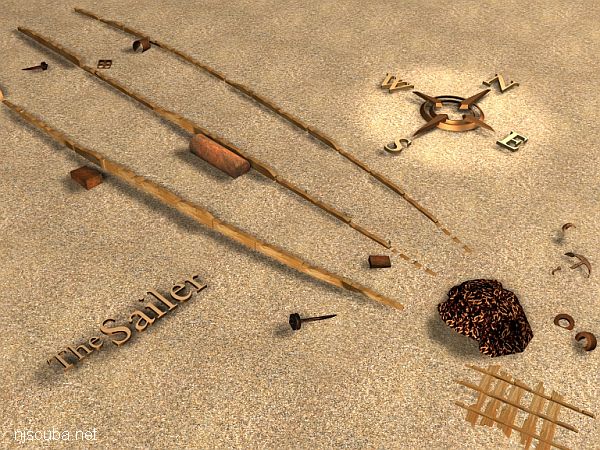
The "Northeast Sailor" is the remains of a large sailing ship. The absence of towing bits is an indicator that this was probably not a schooner barge, while the presence of a boiler and steam machinery place the vessel in the mid to late nineteenth century.


Type:
shipwreck, barge
Built:
1918
Specs:
1267 tons
Sunk:
Sunday December 10, 1933
foundered in rough seas
Depth:
70 ft

low lying wood & metal debris field


Shipwreck Northern Pacific
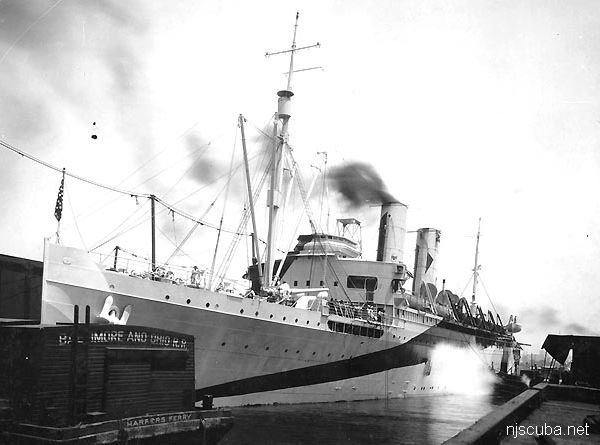
In wartime camouflage paint scheme, with guns at the bow and stern
( obviously retouched by censors. )
Type:
shipwreck, liner, USA
Built:
1915, Cramp Shipbuilding, Philadelphia PA USA
Specs:
( 509 x 63 ft ) 8256 gross tons, 28 crew
Sunk:
Wednesday February 8, 1922
burned - 4 casualties
Depth:
140 ft


Wooden Ship Framing
Wooden Ship Framing

Wooden ships have been constructed for thousands of years. Around the world, many different construction techniques have been used, some of them quite extraordinary. The ancient Greeks stitched the planks of their warships together edgewise to form an extremely light frameless load-bearing shell, much like a modern airplane fuselage. However, most wooden ships are built using a basic framing system that has changed little over the centuries.