Montauk Inlet

Montauk Inlet

MONTAUK TWIN JETTIES

Montauk Jetties
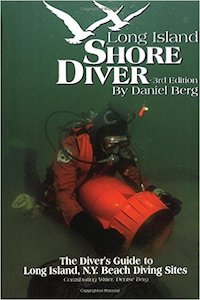
Long Island Shore Diver

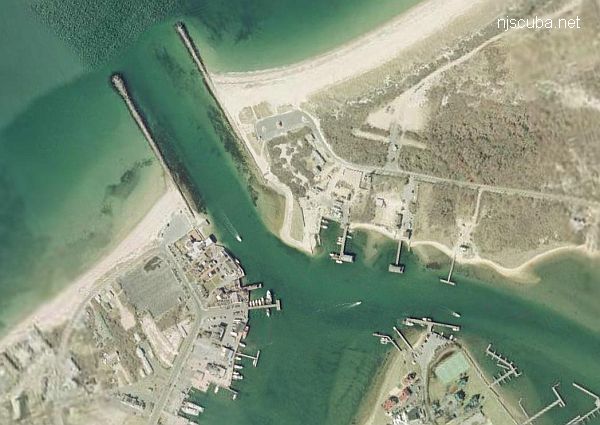
The twin jetties at Montauk are truly one of the best beach dives on Long Island. Both east and west jetties are easily accessible and both are thriving with all types of marine life.

reprinted from Long Island Shore Diver by Dan Berg

DIRECTIONS:

( Montauk, Suffolk County )

WEST JETTY:
Take Southern State Parkway to Exit 44 East, Sunrise Highway. Stay on Sunrise to Montauk Highway and continue east into the town of Montauk. Turn left onto Edgemere Street and drive north to the end. It will have merged into West Lake Drive.

EAST JETTY:
Take Southern State Parkway to Exit 44 East, Sunrise Highway. Stay on Sunrise to Montauk Highway and continue east past the town of Montauk. Continue on Montauk Highway to East Lake Drive. Drive north on East Lake to the end.

CONDITIONS:

The twin Jetties at Montauk are truly one of the best beach dive sites on Long Island. Both East and West Jetties are easily accessible, and both are popular with local divers. Divers will find all types of marine life thriving in and around the large stones. These stones act as a fish haven and provide a solid home on the otherwise empty sand bottom.

Depth of water ranges from five to 25 feet at high tide. According to most local divers with whom I have talked, either the west side of the West Jetty, or out by the point of the West Jetty are the best potential hunting grounds for spearfishing. The East Jetty seems to be the better site for lobstering.

I have also had excellent reports from night divers who never seem to stop raving about the abundance and variety of marine life they have observed at the Montauk Twin Jetties.
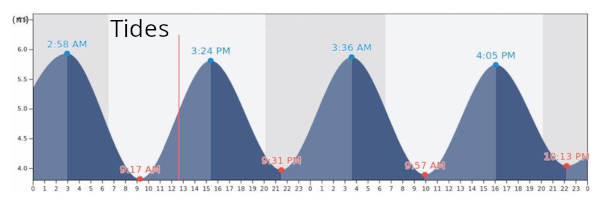
Tides
Montauk Inlet

Comments on Montauk Inlet

Questions or Inquiries?

Just want to say Hello? Sign the .

Submit a Comment

Your email address will not be published. Required fields are marked *


Click image to replace if unable to read.

Enter the digits from the image above, except for the last one:

This site uses Akismet to reduce spam. Learn how your comment data is processed.


Here is an assortment of large sharks that can be found in New Jersey waters, by no means all of them. These are more likely to be found offshore in oceanic waters. Sharks are seldom a danger to divers, they seem to be put off by the noise and bubbles. Nonetheless, all should be treated with caution.

Realistically, sharks in our waters are not a great concern. In over 350 northeast ocean dives, I have seen sharks on only several occasions ( not counting harmless little Dogfishes ) and only once while in the water. That one was in the Mud Hole, on the Arundo, to be precise. It was a Blue, or possibly a Mako, and wanted nothing to do with me, which was a relief since I had half an hour of deco left to do at the time! That would have left me very bent otherwise.

Basking SharkGreat White Shark
Note the difference between the toothless Basking Shark at left
and the very not toothless Great White Shark at right.

If you think about it, humans must taste terrible to sharks, and scuba divers especially - with rubber suits and big metal tanks. Many shark attacks occur in murky water where the shark is not sure what it is attacking. Some attacks have been the result of the shark being stepped on in shallow water. Most shark attacks on humans are abortive, the shark taking only one exploratory bite, then realizing its mistake and breaking off the attack. Unfortunately, with a large shark, one bite and you're dead. Many predators, from bears to tigers, will prey on humans when sickness, injury, or old age make them unable to catch their normal prey. Sharks are probably no different.