
Inshore Barge/Tug
- Type:
- schooner barge & tugboat ?
- Depth:
- 85 ft
This is a fascinating big wreck of a wooden schooner barge. The broken stern is upended, forming a hollow pyramid that is full of fish. The sides and keel extend north from there to the bow, from which extends a chain which reaches to another much smaller wreck, which is known as the "Inshore Tug."
Whether this actually is the tug that was towing the barge, or just a coincidental sinking, is unknown. Using a chain for a tow line would be highly unusual. Perhaps the barge was anchored to ride out a storm, and the tug sank on top of its hook. It may not even be a tugboat - it might be named that simply because it is inshore of the Great Isaac.
Barnegat Dive Sites, Dive Sites, New Jersey Dive Sites, Schooner Barges,
- Absecon Inlet
- Adriatic
- USS Akron
- Almirante
- Anastasia
- Astra
- Barnegat Inlet
- Brigantine Beach Wreck
- boiler wreck
- Bonanza
- Brick barge
- Brigantine Inlet
- Cornelius Grinnell
- Caddo
- Capt Smitty
- Cassandra
- Charlemagne Tower
- Chaparra
- Chesapeake
- clam boat
- Creole
- Delaware
- dredge
- Duncan
- Emerald / USS Hibiscus
- Francis A Perkins
- William R Farrell
- FF Clain
- Gassoon
- Gory Wreck
- Glory Wreck
- Granite Wreck
- Great Isaac
- Gulftrade (stern)
- Gulftrade (bow)
- Hankins (Big)
- Hankins (Offshore)
- Hankins 3
- Cornelius Hargraves
- Harry Rush
- Hornet
- Ida K
- Inshore barge/tug
- Irene/Truro
- John Minturn
- John Marvin
- Kennebec
- Lake Frampton
- Lake Allure
- Lana Carol
- Lavallette Wreck
- Leon Walter
- Lillian
- Manhattan
- Maurice Tracy
- Mediator
- Meta
- Middle Barge
- Mohawk
- EF Moran
- Mullica River Wrecks
- NJ Aquarium
- Northern 29
- NW Barges
- Offshore Tug
- Oklahoma
- Patrice McAllister
- Park City
- Peerless
- Persephone
- Remedios Pascual
- Reliable
- Ridge Schooner
- Riggy
- RP Resor
- Rump
- Southern Lillian
- Sachem
- Salem
- San Saba
- Sea Hag
- Seaside Crane Barge
- Shookus
- Simala
- Sumner
- Southwest Mohawk
- Thurmond
- Tolten
- Troop Carrier
- Vivian
- Vizcaya
- Yellow Flag
- ZPG-3W
More: Barnegat Dive Sites Chart ...
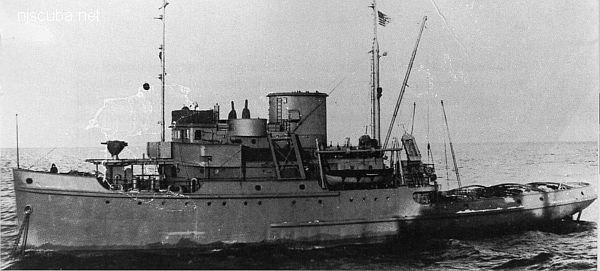
- Type:
- shipwreck, tugboat, U.S. War Shipping Administration (Navy)
- Name:
- All the ships of this class were named for lighthouses in the U.S., except for the Great Isaac, which is in the Bahamas.
- Built:
- 1944, General Ship, Boston MA USA
- Specs:
- ( 185 x 37 ft ) 1117 gross tons, 27 crew
- Sunk:
- Wednesday April 16, 1947
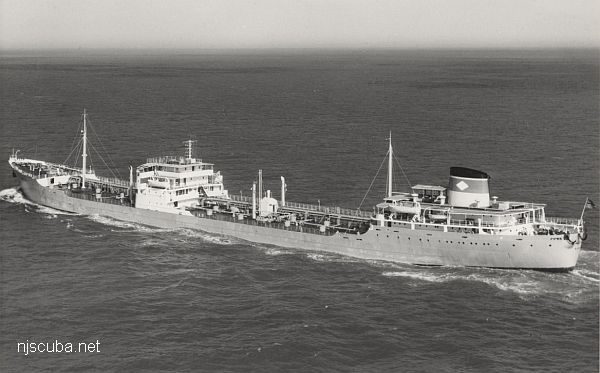
collision with Norwegian freighter Bandeirante - no casualties - Depth:
- 90 ft
More: Great Isaac ...
Questions or Inquiries?
Just want to say Hello? Sign the .