Shark River Artificial Reef (1/2)

Shark River Artificial Reef

15.6 Nautical Miles off Manasquan, 0.83 sq miles
Depth: 120-140 ft [download]

 1 2  

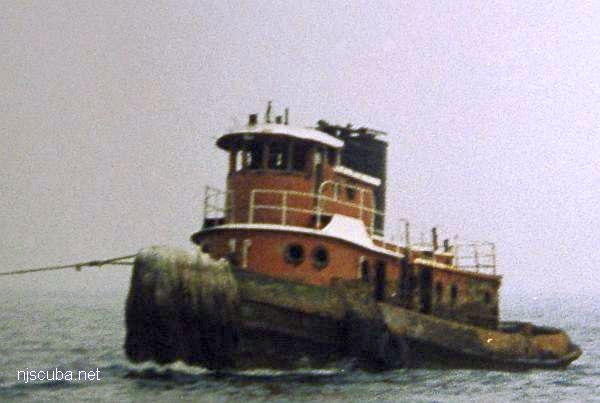
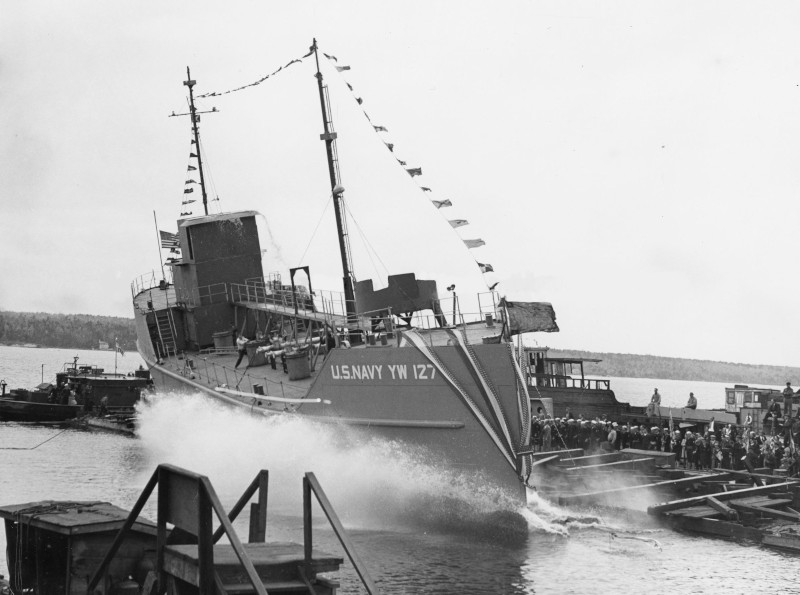
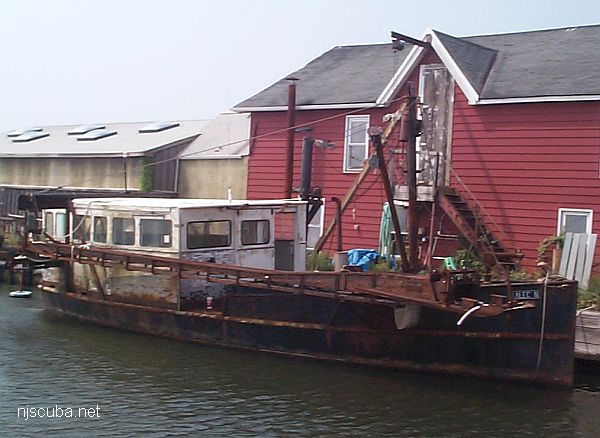
Alan Martin reef
Type:
artificial reef, tanker, US Navy, YO-20 class
Built:
1918, Todd Shipyards, New York NY USA, as YO-31
Specs:
( 161 x 25 ft ) 335 tons light, 911 tons full-load
Sponsor:
Crystal Oil Corporation, Marine Trades Assn. of NJ, Fisherman Magazine
Sunk:
Thursday September 10, 1987 - Sea Girt Artificial Reef
GPS:
40°06.440' -73°41.130'
Depth:
125 ft


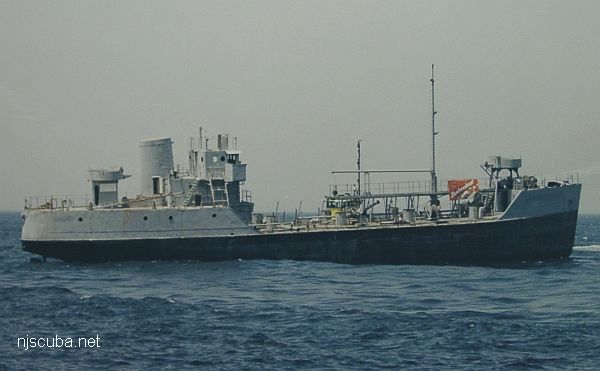
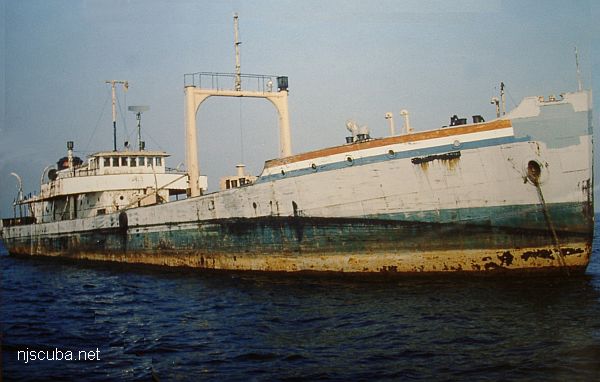
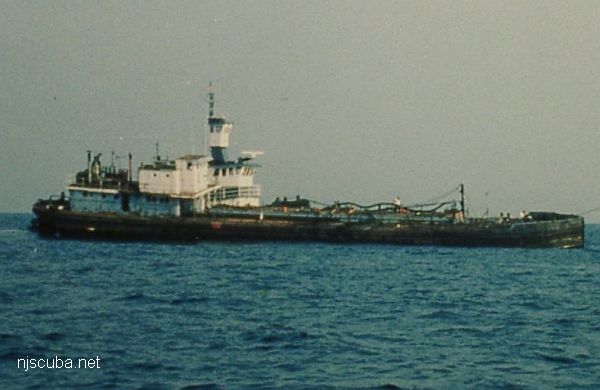
Coney Island reef
Type:
artificial reef, tanker, sludge
Built:
1938, Bethlehem Staten Island, Staten Island NY USA
Specs:
( 250 x 40 ft )
Sponsor:
Crystal Oil Corporation, Marine Trades Assn. of NJ, Fisherman Magazine
Sunk:
Thursday September 10, 1987 - Sea Girt Artificial Reef
GPS:
40°06.285' -73°41.365'
Depth:
125 ft, starts at 80 ft


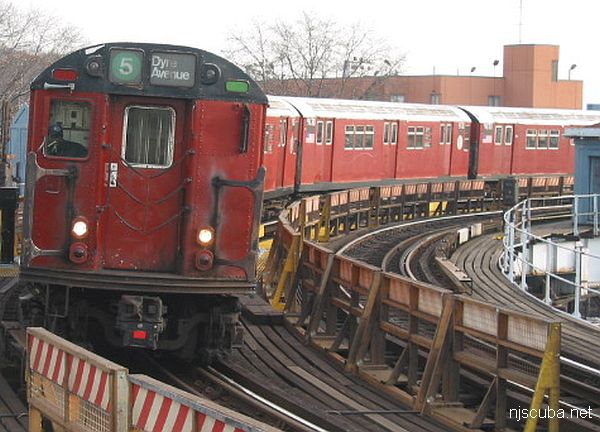
Redbird Subway Car - in service
Type:
250 "Redbird" subway cars - NYC Subway system - steel bodies / frames
Built:
1959-1960 - American Car & Foundry - Model R26 # 7750-7859
1960-1961 - American Car & Foundry - Model R28 # 7860-7959
1962-1963 - St. Louis Car - Model R29 # 8570-8805
1962-1963 - St. Louis Car - Model R33 # 8806-9345
1963-1964 - St. Louis Car - Model R36 # 9346-9769
Specs:
( 51 x 9 ft ) 15,000 to 18,000 pounds (body)
Sunk:
50 cars - Cape May Reef on July 3, 2003
50 cars - Deepwater Reef on July 16, 2003
50 cars - Atlantic City Reef on July 25, 2003
50 cars - Garden State North Reef on Sept 3, 2003
50 cars - Shark River Reef on Oct 14, 2003
619 cars - Delaware Reef 11 from Aug 2001 to Nov 2003
Sponsor:
New York City Metropolitan Transportation Authority (MTA)
anti-
Sponsor:
Environmental group Clean Ocean Action lobbied aggressively and almost successfully to prevent the use of these subway cars as artificial reefs in New Jersey, resulting in most of the cars going to other states.
GPS:
too many to list, and all gone anyway
Depth:
Depths vary by location between 80 ft and 130 ft.

rock reef
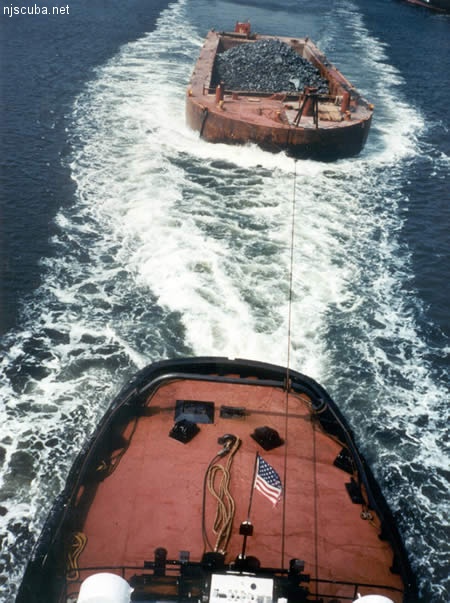
A hopper barge full of rock

All manner of concrete, steel, and stone rubble from dredging, demolition projects, and other construction is used as artificial reef materials. This material is generally available at very low cost or free from construction companies who are more than happy to get rid of it. Transportation costs determine where this material is used by the Reef Program.


rock ridge

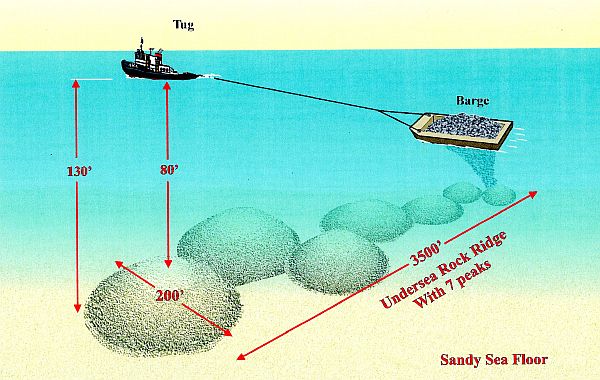
This site on the Shark River Artificial Reef consists of two long ridges of seven huge rock piles each, with one long valley east-west between them. Between piles, there are smaller valleys. Each ridge contains approximately two million tons ( or one million cubic yards ) of granite, blasted and dredged from the bottom of New York harbor between September 2002 and September 2003. Peak depths range from 85 to 105 ft, bottom depth is 130 ft. In addition, 15 Redbird subway cars were deposited on or near one of the piles. A similar rockpile is located in shallower water on the Axel Carlson Reef.

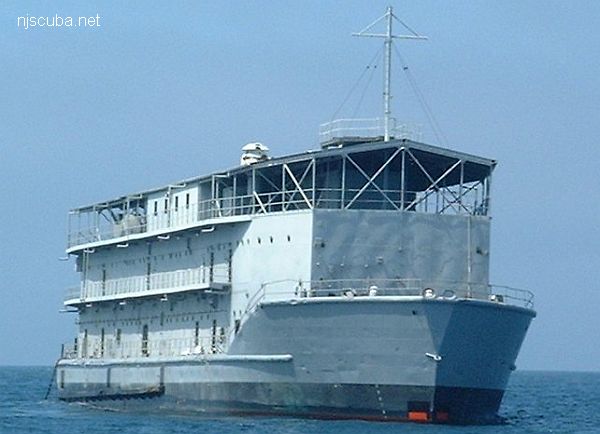
Shark River Artificial Reef

 1 2  

Marine Life Colonization of Experimental
Reef Habitat in Temperate Ocean Waters of New Jersey

By Bill Figley
January 2003

This investigation was partially funded by the Federal Aid to Sportfish Restoration Program

for the original paper, see here.


ABSTRACT

A biological colonization study of experimental reef habitats in temperate ocean waters off New Jersey was conducted over a 96-month period. A total of 145 different taxa of 9 phyla were identified within the experimental units, including 42 arthropoda, 37 annelida and 43 molluska. Individual organisms had an estimated mean abundance of 534,566 organisms/m2 of habitat footprint, including 105 fish, 4,639 crabs and 14 lobsters. Colonial organisms covered 87,554 cm2 of the habitat surface area. Mean total biomass of the organisms inhabiting the units was 84,175 g/m2, with blue mussel comprising 63 percent of the total. The carrying capacity of the experimental habitat for all species of marine life was about 152,801 g/m2. Predation accounted for an 80 percent reduction of biomass between surfaces exposed and not exposed to predators. There were no statistically significant differences in biological colonization rates of sessile epibenthos on concrete, rock, steel and rubber substrates. On an equivalent area basis, the biomass enhancement ratios of the experimental reef habitats over surf clam-dominated and polychaete/crustacean-dominated sand bottom habitats ranged from 35 to 1,124 and 2,773 to 3,200 times, respectively. A simplified, three-tiered reef habitat food chain consisted of 84.5 percent sessile/sedentary invertebrates, 11.0 percent mobile invertebrates and 4.5 percent juvenile and adult fish. The results suggest that complex reef habitats provide both attachment surfaces and refuge habitats that support a diverse and abundant marine life community.