Long Island Sound Dive Sites Chart
Long Island Sound - West Chart
- Amsterdam
- Atlantic
- Barataria
- USS Bass
- Bayville barge
- Black Point
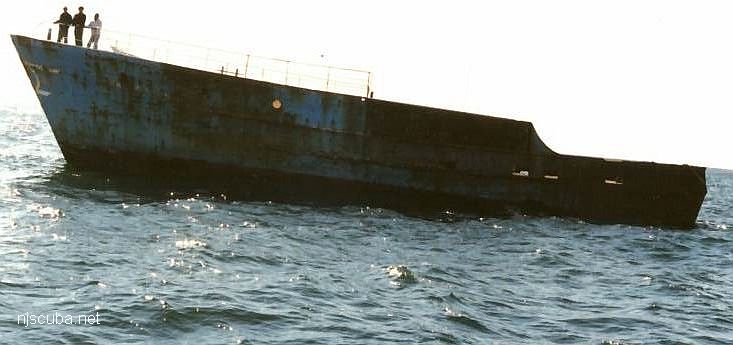
- Celtic/Cape Race
- Condor
- HMS Culloden
- Defender
- John A. Downs
- Essex
- Gwendoline Steers
- USS G-1
- USS G-2
- Grecian
- Horton's Point / Commodore
- Huntington Artificial Reef
- HMS Hussar
- USS L-8
- Larchmont
- Lexington
- Lightburne
- Malden
- Matinecock Artificial Reef
- Mattituck Inlet
- Mattituck Artificial Reef
- Montauk Inlet
- Mount Sinai Harbor
- Myronus
- USS Ohio
- Olinda
- Pinnacle
- Poling Bros #2
- Port Jefferson Artificial Reef
- Port Jefferson Inlet
- Puszta
- Shoreham Nuclear Power Plant
- Smithtown Artificial Reef
- Snug Harbor
- Thames
- Thelma Phoebe
- U-853
- Volund
- Delaware River Water Gap
- Block Island Wind Farm
Long Island Sound - East Chart
- Amsterdam
- Atlantic
- Barataria
- USS Bass
- Bayville barge
- Black Point
- Celtic/Cape Race
- Condor
- HMS Culloden
- Defender
- John A. Downs
- Essex
- Gwendoline Steers
- USS G-1
- USS G-2
- Grecian
- Horton's Point / Commodore
- Huntington Artificial Reef
- USS L-8
- Larchmont
- Lexington
- Lightburne
- Malden
- Matinecock Artificial Reef
- Mattituck Inlet
- Mattituck Artificial Reef
- Montauk Inlet
- Mount Sinai Harbor
- Myronus
- USS Ohio
- Olinda
- Pinnacle
- Poling Bros #2
- Port Jefferson Artificial Reef
- Port Jefferson Inlet
- Puszta
- Shoreham Nuclear Power Plant
- Smithtown Artificial Reef
- Snug Harbor
- Thames
- Thelma Phoebe
- U-853
- Volund
- Delaware River Water Gap
- Block Island Wind Farm
Long Island Sound averages 60 ft in depth, with the greatest depth of over 300 ft at the eastern end. Tidal effects are strongest at the narrow western end, where all the inrushing water flow piles up and makes tidal variations of up to 7 ft. Strong tidal currents are also prevalent, and visibility tends to be poorer than the open ocean, especially at depth.
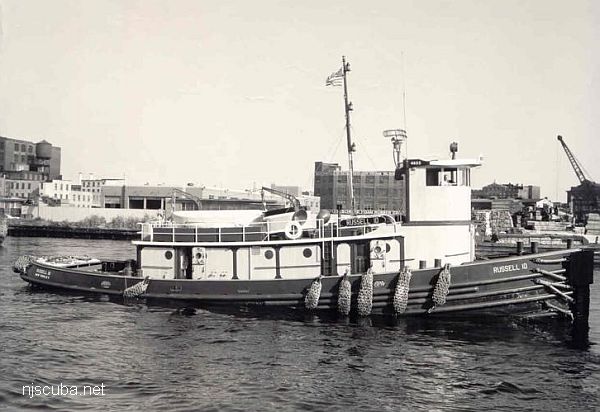
- Type:
- Celtic - shipwreck, canal tugboat, USA
Cape Race - shipwreck, barge, Oyster Bay NY USA - Built:
- Celtic - 1958, Jakobson Shipyard, Oyster Bay NY USA as Russell 10
- Specs:
- Celtic - ( 85 ft ) 6 crew
Cape Race - ( 150 ft ) - Sunk:
- Saturday November 17, 1984
barge foundered, pulling tug down with it - no survivors - Depth:
- 60 ft
More: Celtic / Cape Race ...
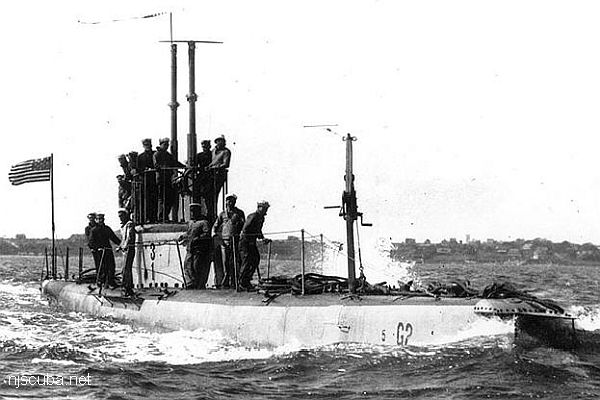
- Type:
- shipwreck, submarine, U.S. Navy
- Built:
- 1912, Lake Torpedo Boat Company, Newport News, VA USA
- Specs:
- ( 161 x 13 ft ) 400 tons, no crew
- Sunk:
- Wednesday July 30, 1919
foundered after weapons tests - 3 casualties (inspection crew) - Depth:
- 81 ft
More: USS G-2 SS-27 ...
Mount Sinai Harbor
Once you get there, suit up at your car and walk down the small stretch of beach till you get near the jetty. Enter the water at your leisure. Once in the water, you can swim north along the jetty to the tip. You may see fish, lobster, crabs and the sort. There are large openings in the rocks that form the jetty. Large enough in fact that you can almost swim into one. I don't advise doing this because getting stuck might be a frightening experience.
More: Mount Sinai Harbor / Jetties ...
Bayville barge
The visibility on this site varies. Average is 10-12ft. This site offers two wrecks which lie in 25 fsw. A British WWI two-man reconnaissance submarine and an old wooden barge. They are both within swimming distance from each other. The marine life is fair around these wrecks. There are a few car tires between the two wrecks and you may find an occasional lobster hiding inside them.
To locate the barge take a compass heading of 330 degrees from the pilings located on the east side of Greenwich Ave. It takes about 50 kick cycles to reach the wreck. To get to the submarine take a compass heading of 30 degrees from the same pilings. This can be reached in about 30 kick cycles. Both of the wrecks are not intact but make for a good dive.
More: Bayville barge ...
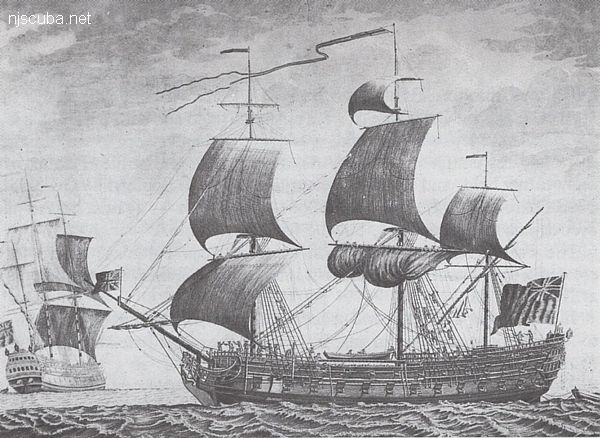
- Type:
- shipwreck, frigate, British Royal Navy
- Name:
- The Battle of Culloden, where in 1745 the English army massacred the last of the Scottish resistance ( and much of the civilian population ), completing the English conquest of Scotland.
- Built:
- 1776, England
- Specs:
- ( 170 x 47 ft ) 1658 gross tons, 650 crew
- Sunk:
- Monday January 24, 1781
ran aground in storm - no casualties - Depth:
- 20 ft
More: HMS Culloden ...