
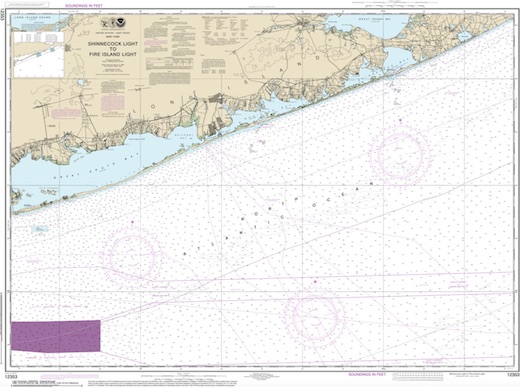
Long Island East Dive Sites Chart
Long Island - East Chart
- 3/4 Tug
- 44097 Weather Buoy
- 44402 Weather Buoy
- Amsterdam
- Andrea Doria
- Atlantic
- USS Baldwin
- Barataria
- USS Bass
- Black Point
- Burnside
- Coastwise
- Coimbra
- HMS Culloden
- Defender
- Dodger
- John A. Downs
- Essex
- USS G-1
- USS G-2
- Gate City
- Gluckauf
- Grecian
- Horton's Point / Commodore
- Hylton Castle
- John C. Fitzpatrick
- Kenosha
- Kismet Artificial Reef
- USS L-8
- Larchmont
- Lexington
- Lightburne
- Linda
- Maiden Creek
- Malden
- Mattituck Inlet
- Mattituck Artificial Reef
- Montauk Inlet
- Moriches Inlet
- Mount Sinai Harbor
- Myronus
- Norness
- USS Ohio
- Old Yankee
- Olinda
- Oregon
- Panther
- Ponquogue Bridge
- Port Jefferson Artificial Reef
- Port Jefferson Inlet
- Reggie
- Republic
- USS San Diego
- Sea Wolf
- Sebastian
- Shinnecock Inlet
- Shoreham Nuclear Power Plant
- Smithtown Artificial Reef
- Snug Harbor
- USS Spikefish
- Suffolk
- USS Tarantula
- Tennyson
- Thames
- Thelma Phoebe
- U-853
- Volund
- Wolcott
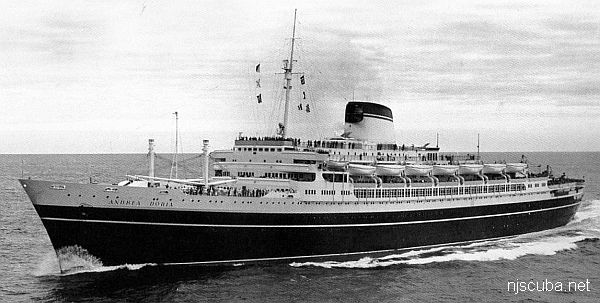

- Type:
- shipwreck, liner, Italy
- Name:
- A 16th century Genoese Admiral. This name had been previously carried by a number of Italian warships ( see page bottom )
- Built:
- 1951, Italy
- Specs:
- ( 700 x 90 ft ) 29083 displacement tons, 1706 passengers & crew
- Sunk:
- Thursday July 26, 1956
collision with freighter Stockholm ( 12000 tons) - 46 casualties - GPS:
- 40°29.405' -69°52.028' (AWOIS)
- Depth:
- 240 ft ( 190 ft minimum )
More: Andrea Doria ...
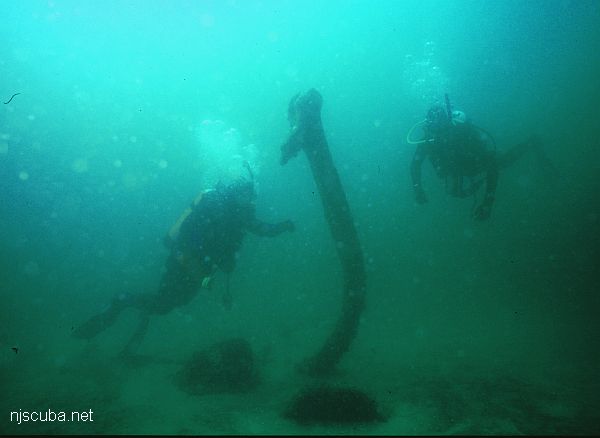
Long Island Sound - West Chart
- 44039 Weather Buoy
- Amsterdam
- Atlantic
- Barataria
- USS Bass
- Bayville barge
- Black Point
- Celtic/Cape Race
- Condor
- HMS Culloden
- Defender
- John A. Downs
- Essex
- Gwendoline Steers
- USS G-1
- USS G-2
- Grecian
- Horton's Point / Commodore
- Huntington Artificial Reef
- HMS Hussar
- USS L-8
- Larchmont
- Lexington
- Lightburne
- Malden
- Matinecock Artificial Reef
- Mattituck Inlet
- Mattituck Artificial Reef
- Montauk Inlet
- Mount Sinai Harbor
- Myronus
- USS Ohio
- Olinda
- Poling Bros #2
- Port Jefferson Artificial Reef
- Port Jefferson Inlet
- Shoreham Nuclear Power Plant
- Smithtown Artificial Reef
- Snug Harbor
- Thames
- Thelma Phoebe
- U-853
- Volund
- Delaware River Water Gap
Long Island Sound - East Chart
- 44039 Weather Buoy
- Amsterdam
- Atlantic
- Barataria
- USS Bass
- Bayville barge
- Black Point
- Celtic/Cape Race
- Condor
- HMS Culloden
- Defender
- John A. Downs
- Essex
- Gwendoline Steers
- USS G-1
- USS G-2
- Grecian
- Horton's Point / Commodore
- Huntington Artificial Reef
- USS L-8
- Larchmont
- Lexington
- Lightburne
- Malden
- Matinecock Artificial Reef
- Mattituck Inlet
- Mattituck Artificial Reef
- Montauk Inlet
- Mount Sinai Harbor
- Myronus
- USS Ohio
- Olinda
- Poling Bros #2
- Port Jefferson Artificial Reef
- Port Jefferson Inlet
- Shoreham Nuclear Power Plant
- Smithtown Artificial Reef
- Snug Harbor
- Thames
- Thelma Phoebe
- U-853
- Volund
- Delaware River Water Gap
Long Island Sound averages 60 ft in depth, with the greatest depth of over 300 ft at the eastern end. Tidal effects are strongest at the narrow western end, where all the inrushing water flow piles up and makes tidal variations of up to 7 ft. Strong tidal currents are also prevalent, and visibility tends to be poorer than the open ocean, especially at depth.
More: Long Island Sound Dive Sites Chart ...
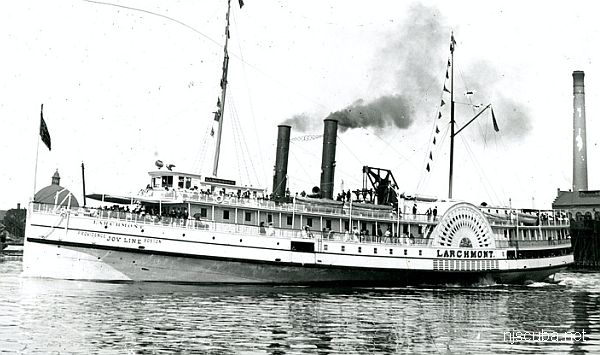
- Type:
- shipwreck, steamer, USA
- Built:
- 1885, Goss & Sawyer, Bath ME USA
- Specs:
- ( 252 x 37 ft ) 1605 tons, 351 passengers & crew
- Sunk:
- Monday February 11, 1907
collision with schooner Harry Knowlton - 334 casualties - Depth:
- 140 ft
huge paddlewheels; wooden hull draped with fishing nets; hazardous currents & poor viz.
More: Larchmont ...
Ponquogue
There are two actual Ponquoque bridges, the new one and the old one. You crossed the new bridge to get to the former Foster Road. The old bridge is where you will probably dive, although nothing is stopping you from diving the new bridge. Don't get caught in the channel between the two bridges, however, because it is considered a channel and it is illegal to dive in a channel in the town of Southampton. With that in mind, there is usually good parking at the bridge, but you will have to do some walking in order to get into the water.
More: Ponquogue Bridge ...