Trawlers (3/6)

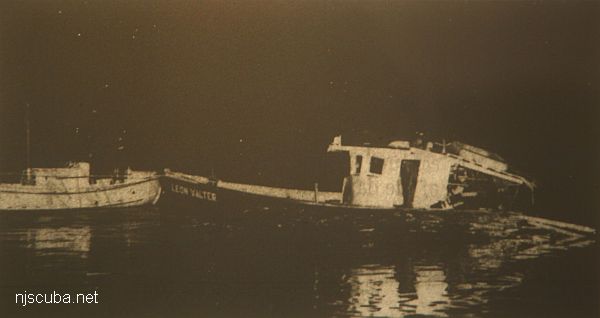
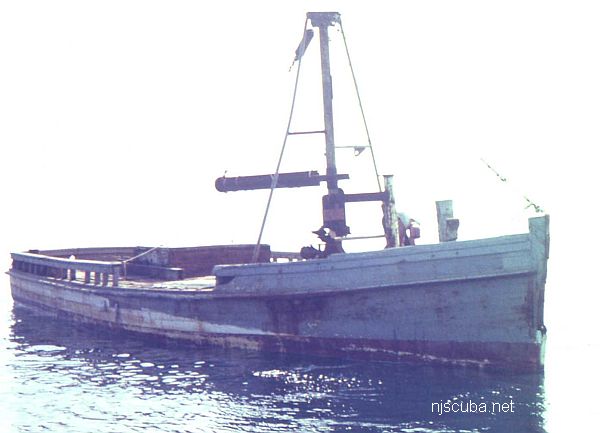
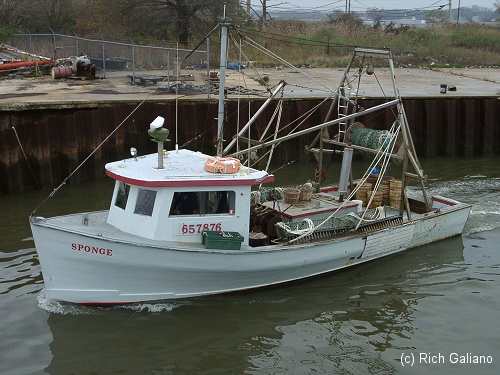
small commercial fishing vessel
A small commercial fishing vessel of unknown type, although the bushels on deck would imply that she was after some kind of shellfish.

There are three basic types of commercial fishing vessels found in the Mid-Atlantic region: trawlers, seiners/gill-netters, and long-liners. A trawler or "dragger" operates by towing its fishing gear across the bottom. Weighted nets take bottom fishes, while cage-like steel dredges take clams and scallops. A seiner uses a floating net to encircle schools of surface-swimming fishes such as herring and tuna. A long-liner sets out miles of buoyed line with baited hooks to catch sharks, tuna, and swordfish. One could also add lobster boats and charter fishing or "head" boats to this list. And of course, dive boats.

 1  2 3 4  6  

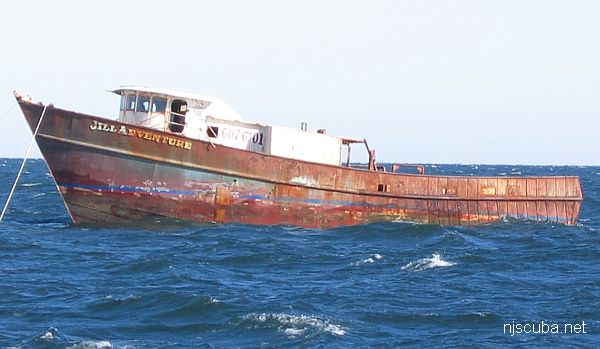
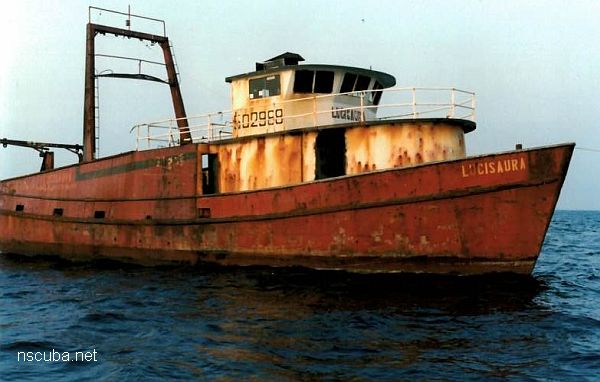
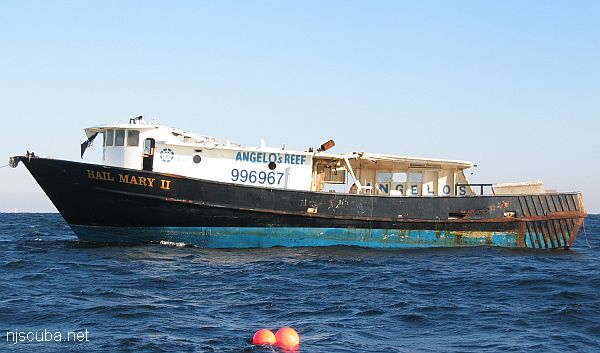
Hail Mary reef
The good side - the other side looks a lot worse
Type:
artificial reef, trawler
Built:
1993, Duyen Van Tran, Gautier MS USA as St. Martin IV
Specs:
( 63 ft ) 79 tons
Sponsor:
Greater Point Pleasant Charter Boat Association
Sunk:
Saturday November 4, 2006 - Axel Carlson Artificial Reef
GPS:
40°02.641' -73°59.218'


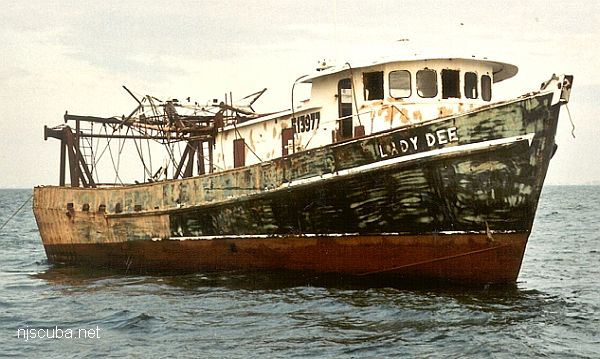
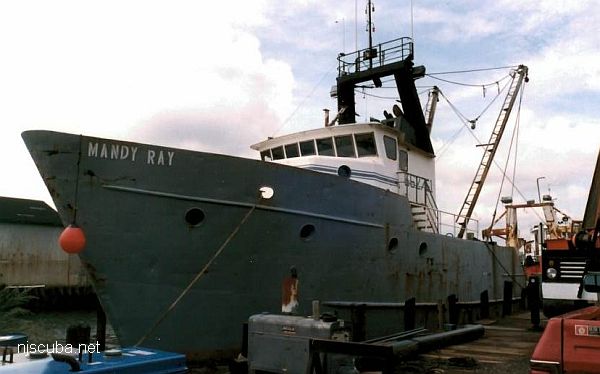
Vandegrift reef
Type:
artificial reef, trawler, USA
Built:
1968, Graham Boats, Pascagoula MS USA as Lady Ann
Specs:
( 78 ft )
Sponsor:
family & friends of Ray Vandegrift
Sunk:
Friday March 26, 2004 - Wildwood Artificial Reef
GPS:
38°57.414' -74°41.500'


Trawlers

 1  2 3 4  6  

An Explanation of Professor A.A. Buhlmann's ZH-L16 Algorithm

by Paul Chapman

Note to new divers and potential new divers:

This information is presented for general interest. Don't be scared off by what you see here - you don't need to learn any of this to become a safe and competent scuba diver. You will however need to understand dive planning.

The following is a summary of the decompression algorithm described by Dr A.A. Buhlmann in the fourth edition of his book Tauchmedizin ( diving medicine ) published in 1995 ( only in German. ) the book contains a considerable amount of other information and is published by Springer-Verlag ISBN 3-540-58970-8. Rumor has it that at the time of writing ( November 1999 ) an English translation is being prepared for publishing, so hopefully, in due course, this document will become redundant.

The algorithm is simply a "recipe" for modeling the behavior of inert gases, which diffuse in and out of our body tissues when breathed under varying pressures. The intention is that if the recipe models the actual processes in our bodies accurately enough, it can be used to plan dives ( and other pressure exposures ) with a view to avoiding decompression sickness.