Chesapeake

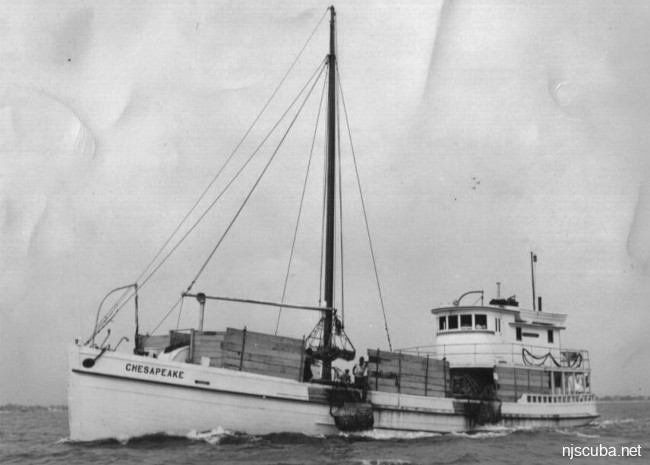
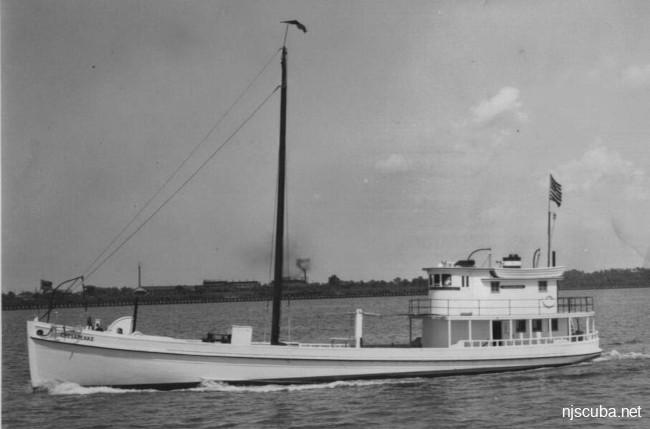
Chesapeake was the largest oyster dredge boat built on the Chesapeake Bay.
Type:
shipwreck, clam dredge, USA
Built:
1936, Johnson Marine Railway, Crittenden VA USA
Specs:
( 93 x 25 ft ) 113 gross tons
Sunk:
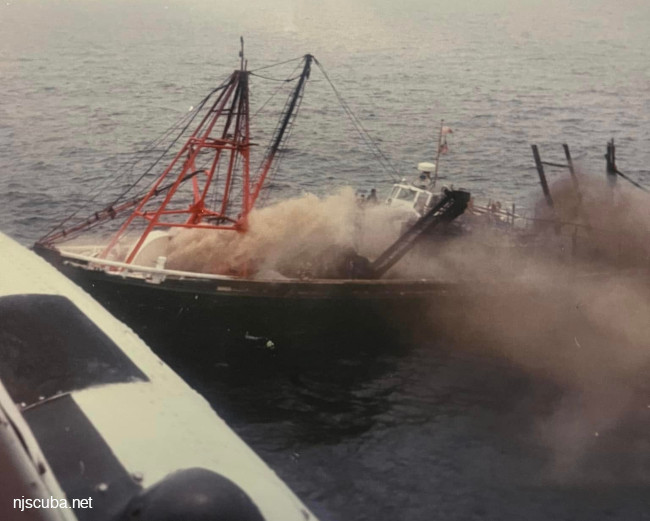
early 1980s, burned, no casualties
Depth:
She could pull four dredges at once and carry as much as 5,000 bushels of oysters.

Chesapeake was built very heavily with 6x9” oak frames and 3” thick Georgia yellow pine planking. Chesapeake worked on the Chesapeake Bay until 1979 when she was sold to a company in Cape May New Jersey to work the mackerel fishery.
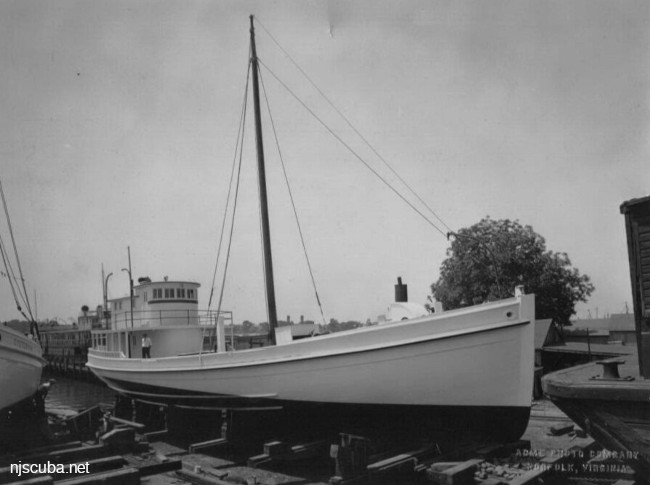
The shallow round bottom and low straight bow must have been uncomfortable on the open ocean.

Photographs courtesy of Richard Miles
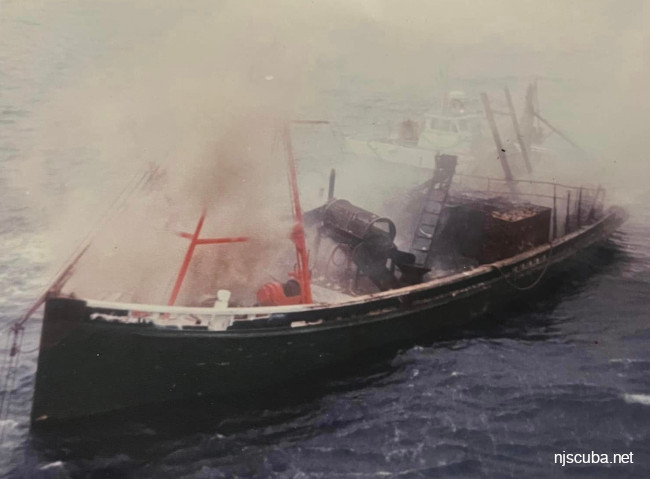
Photos from USCG helicopter (crew was already rescued by another boat)
The wheelhouse is gone, smoke pouring from the crew cabin in the bow.

location probable
234599
IMO 7100407

Comments on Chesapeake

Questions or Inquiries?

Just want to say Hello? Sign the .

Submit a Comment

Your email address will not be published. Required fields are marked *


Click image to replace if unable to read.

Enter the digits from the image above, except for the last one:

This site uses Akismet to reduce spam. Learn how your comment data is processed.


"Higher animals" is a catch-all term for vertebrates other than fish. This is rather self-congratulatory, since the so-called "lower animals" - fishes and invertebrates - are actually the dominant species on the planet, both in numbers and diversity! The four classes of higher animals are:

  • Amphibians - class Amphibia
  • Reptiles - class Reptilia
  • Birds - class Aves
  • Mammals - class Mammalia

Of these, amphibians are absent from marine environments ( with one or two exceptions. )