
Bad Bob's Big Boat
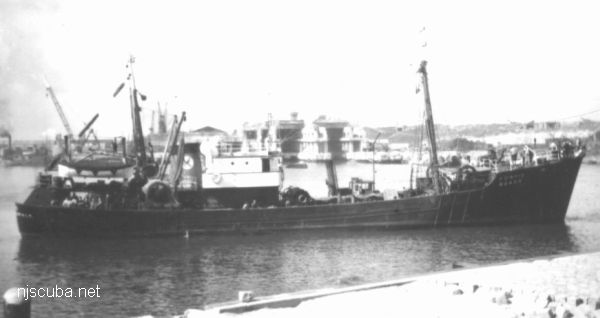
- Type:
- artificial reef, trawler, USA
- Built:
- 1947, Bath Iron Works, Bath Maine USA
- Specs:
- ( 144x27 ft ) 393 tons
- Sunk:
- Wednesday April 17, 2002 - Moriches Artificial Reef
- Depth:
- GPS:
- 40°43.402' -72°46.659
This trawler had a long and interesting career. She was built in 1947 as the MFV Fortis by Bath Iron Works in Maine and was one of five sisters that went to France to replace vessels lost in the war. The boat fished from Boulogne Sur Mer, France, from 1948 to 1966.
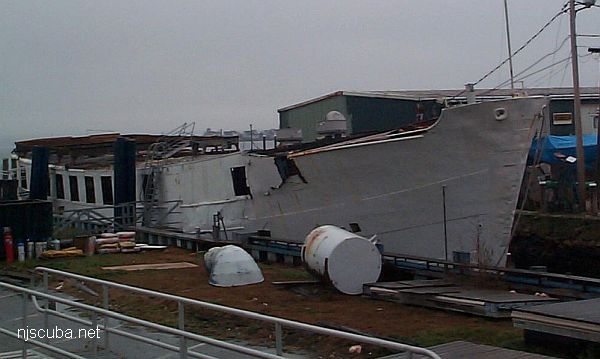
Later it was purchased by an American company and returned to Portland, Maine as the MFV Philip J. During this time she had three fishing owners. Eventually, she was renamed Newport and served as a floating restaurant. Finally renamed Bad Bob's Big Boat and sunk as part of the Moriches artificial reef on April 17, 2002. ( The New York reef program lists it as Bob's Big Boat or just The Boat, but that is not the whole name. )


Artificial Reef Sites, Artificial Reefs, Moriches Artificial Reef, New York Artificial Reef Sites, New York Artificial Reefs, Trawlers,
Moriches Artificial Reef (historical)
2.4 nautical miles south of Moriches Inlet, 0.54 sq miles
Depth: 70 - 75 ft
More: Moriches Artificial Reef ...
Long Island - East Chart
- 3/4 Tug
- Amsterdam
- Andrea Doria
- Atlantic
- USS Baldwin
- Barataria
- USS Bass
- Black Point
- Burnside
- Coastwise
- Coimbra
- HMS Culloden
- Defender
- Dodger
- John A. Downs
- Essex
- USS G-1
- USS G-2
- Gate City
- Gluckauf
- Grecian
- Horton's Point / Commodore
- Hylton Castle
- John C. Fitzpatrick
- Kenosha
- Kismet Artificial Reef
- USS L-8
- Larchmont
- Lexington
- Lightburne
- Linda
- Maiden Creek
- Malden
- Mattituck Inlet
- Mattituck Artificial Reef
- Montauk Inlet
- Moriches Inlet
- Mount Sinai Harbor
- Myronus
- Norness
- USS Ohio
- Old Yankee
- Olinda
- Oregon
- Panther
- Pinnacle
- Ponquogue Bridge
- Port Jefferson Artificial Reef
- Port Jefferson Inlet
- Puszta
- Reggie
- Republic
- USS San Diego
- Sea Wolf
- Sebastian
- Shinnecock Inlet
- Shoreham Nuclear Power Plant
- Smithtown Artificial Reef
- Snug Harbor
- USS Spikefish
- Suffolk
- USS Tarantula
- Tennyson
- Thames
- Thelma Phoebe
- U-853
- Volund
- Block Island Wind Farm
- Wolcott
More: Long Island East Dive Sites Chart ...
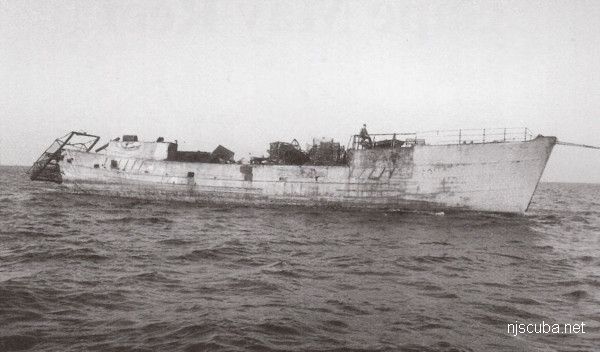
- Type:
- artificial reef, trawler, clam dredge, USA
- Built:
- 1948, Bath Iron Works, Bath, Maine, USA
- Specs:
- ( 117 x 24 ft ) 195 gross tons
- Sponsor:
- Eirek's Dock, Fisherman Magazine
- Sunk:
- Thursday October 16, 1986 - Cape May Artificial Reef
- GPS:
- 38°51.860' -74°42.965'
- Depth:
- 65 ft
More: Laita ...
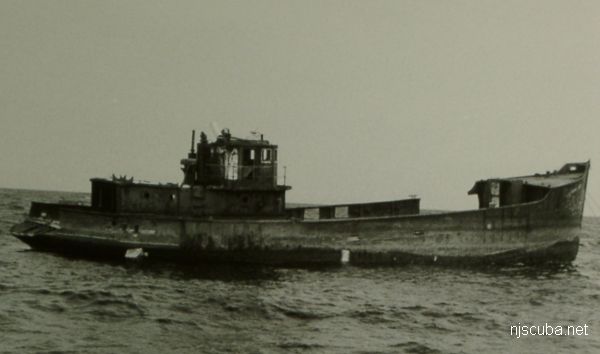
- Type:
- artificial reef, trawler, USA
- Built:
- 1948, Bath Iron Works, Bath, Maine, USA
- Specs:
- ( 117 x 24 ft ) 195 gross tons
- Sponsor:
- Eirek's Dock, Fish America Foundation
- Sunk:
- Wednesday July 12, 1989 - Cape May Artificial Reef
- GPS:
- 38°50.825' -74°43.312'
- Depth:
- 60 ft
More: Winthrop ...
Questions or Inquiries?
Just want to say Hello? Sign the .