Tugboats (5/8)

A tugboat is a small sturdy and powerful vessel designed to push or tow other vessels and barges

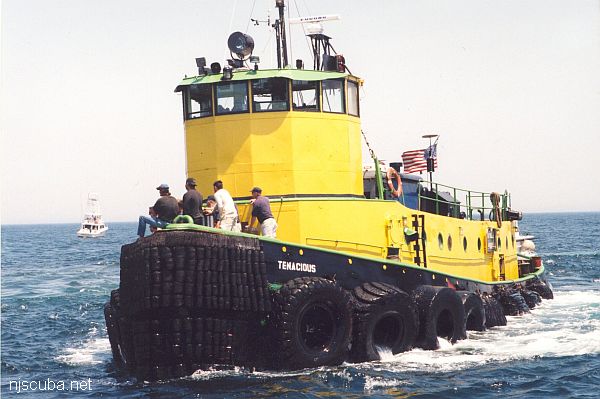
Tenacious tugboat
Tenacious

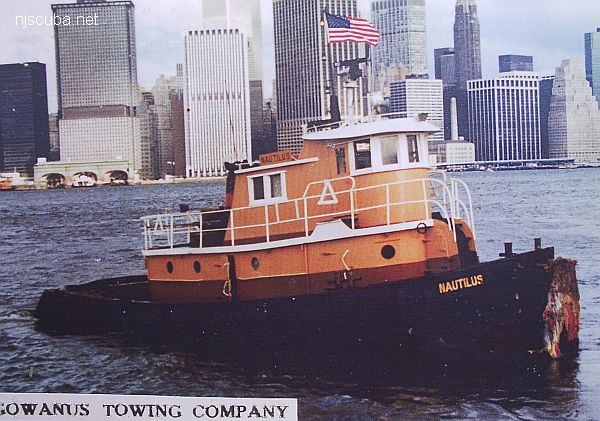
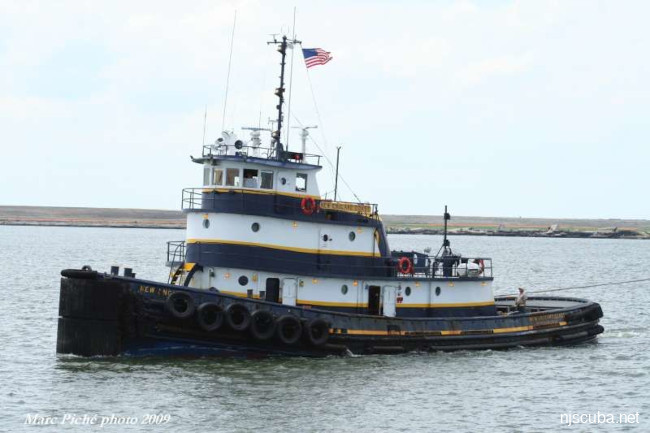
You will see them in every sizable port; smart, businesslike small ships, low in the water and surging out to a large inbound ship. Tugs represent power for pushing and pulling, an engine with just enough hull for adequate buoyancy. Thick fenders for close-quarters work, pushing a big ship alongside the quay against the wind, hauling her off at the end of a towing wire.

 1  4 5 6  8  

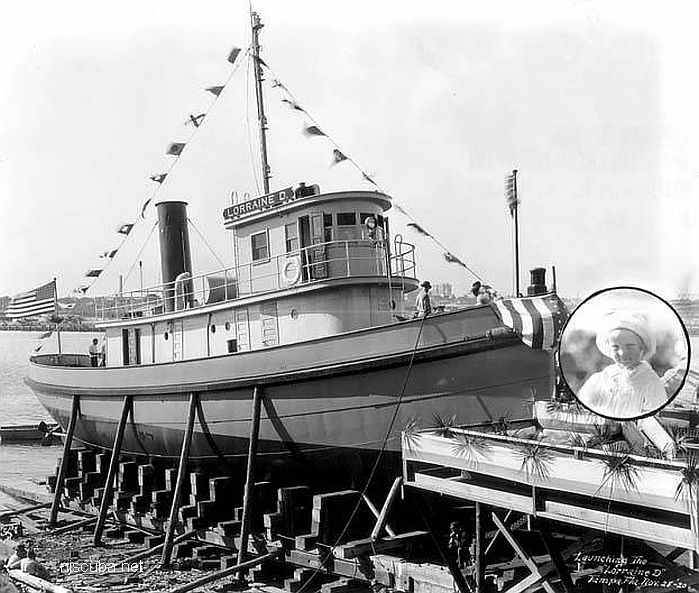
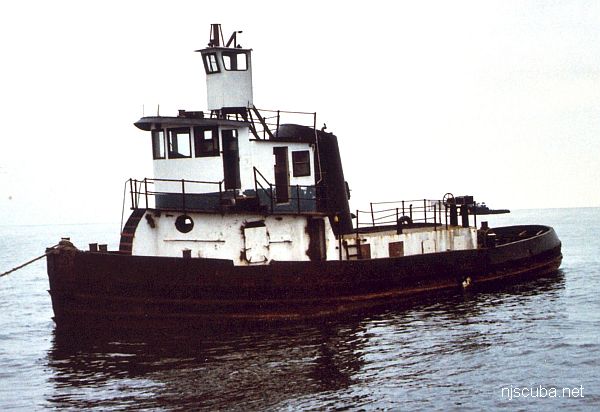
Lewis F. Boyer reef
At launching, with namesake (inset)
Type:
artificial reef, tugboat
Built:
1922, Oscar Daniels, Tampa FL, as Lorraine D
Name:
named ( now ) for Travis Nagiewicz, Capt. Steve's son.
Specs:
( 95 x 20 ft ) 125 gross tons
Sponsor:
Captains Steve Nagiewicz & Dan Crowell
Sunk:
Wednesday October 31, 2001 - Sea Girt Artificial Reef
GPS:
40°08.179' -73°55.824'
Depth:
75 ft

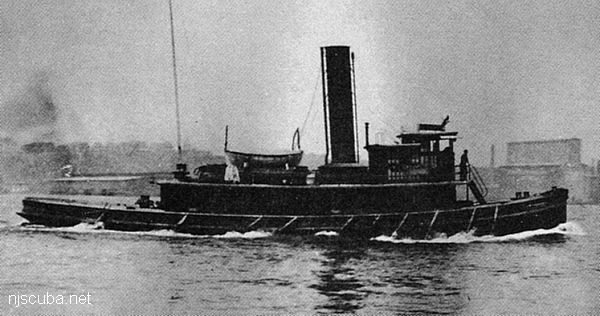
Shipwreck Lizzie D
Type:
shipwreck, tugboat, USA
Built:
1907, Neafie & Levy, Philadelphia PA USA
Specs:
( 77 x 21 ft ) 122 gross tons, 13 crew
Sunk:
Thursday October 19, 1922
unknown, related to smuggling during Prohibition - no survivors
Depth:
80 ft


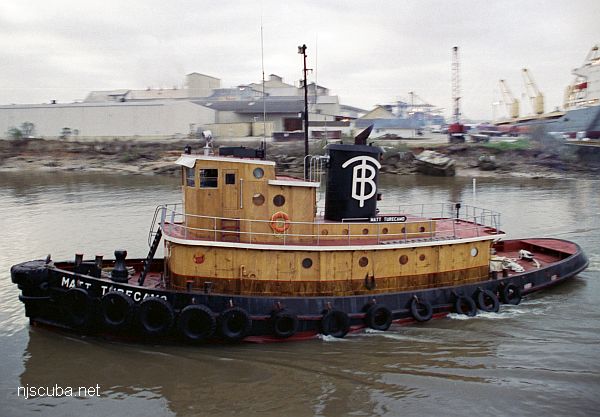
Megan Sue reef
Type:
artificial reef, tugboat
Built:
1960, Diesel Shipbuilding, Jacksonville FL, as Nomad
Specs:
( 61x17 ft )
Sponsor:
"4 of Clubs" - DVD, Ocean Wreck Divers, MRMTC, Ann E Clark Foundation
Sunk:
Sunday January 9, 2005 - Axel Carlson Artificial Reef
GPS:
40°03.181' -73°59.310'
Depth:
80 ft, top at 60 ft


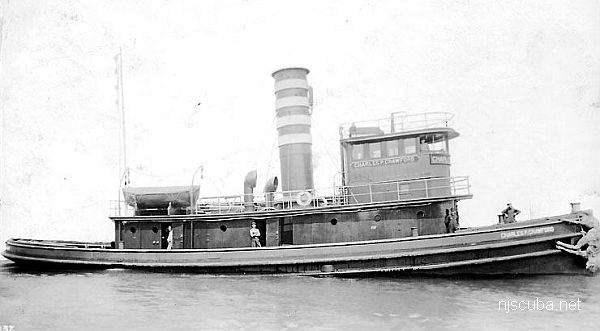
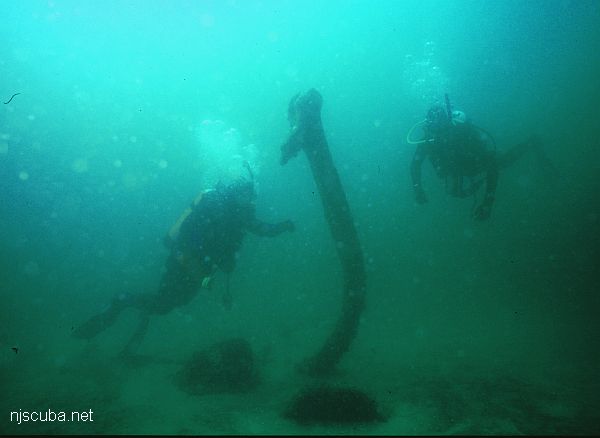
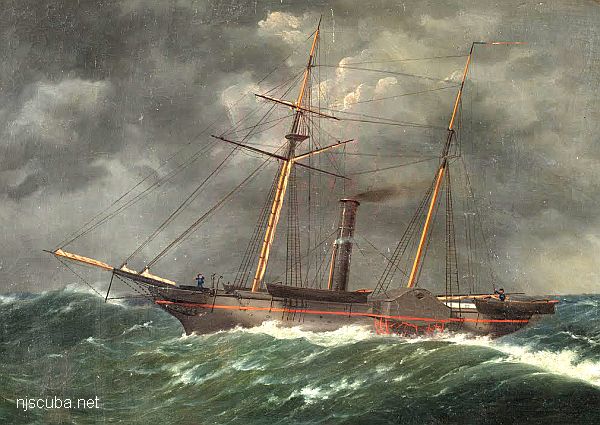
Shipwreck Panther
This appears to be a lifeboat davit
Type:
shipwreck, tugboat, USA
Built:
1870, USA
Specs:
( 191 x 36 ft ) 712 tons, 20 crew, including barge crew
Sunk:
Wednesday August 24, 1893
foundered in storm - 17 casualties
Depth:
55 ft

Tugboats

 1  4 5 6  8  

steam-powered winch
A steam-powered winch on a schooner barge. Note the various drums for drawing up anchor chain, towing hawsers, etc, and the anchor chains themselves going down through the deck into the chain locker below.

Prior to steam power, the only force available on a sailing ship to perform all the necessary work was the men on board. For some tasks, such as raising the anchor, it might be necessary to yoke the entire crew to a multi-deck manual capstan. On the largest vessels, even with every available man, this might take several hours to complete. With the advent of steam power, a "donkey engine" and a single engineer could do the work of many men, in less time, and these were soon installed in almost all vessels.