Steamers (4/5)

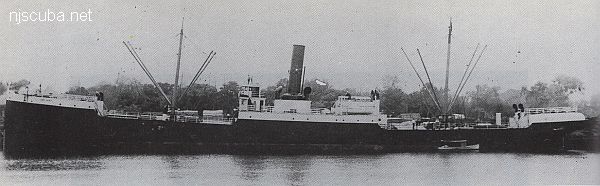
Steamer is an early term for any vessel power by a steam engine rather than sails.

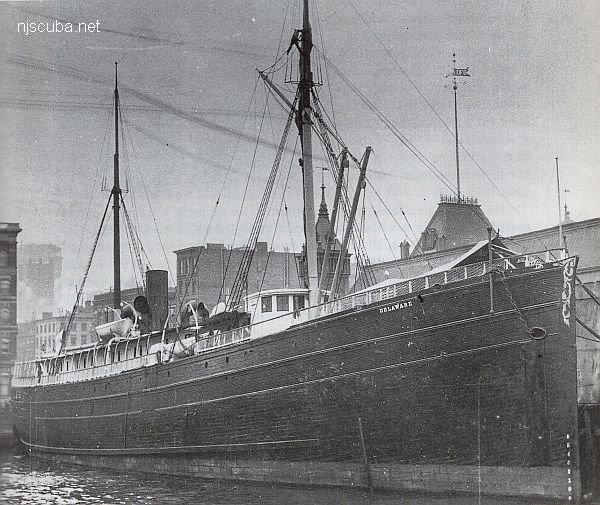
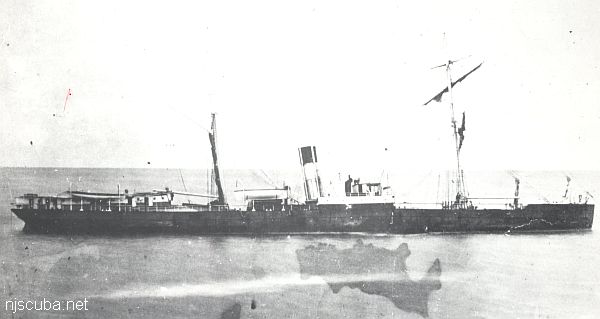
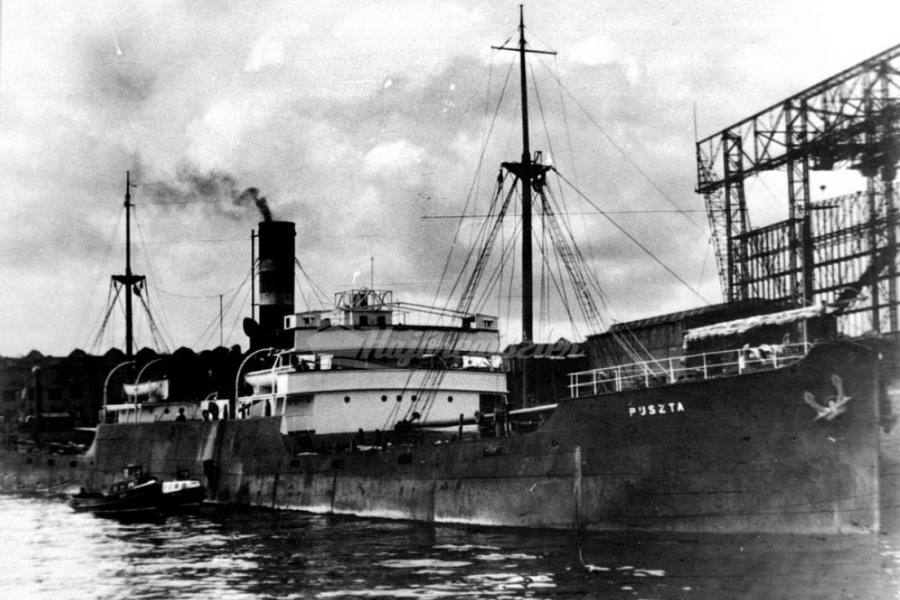
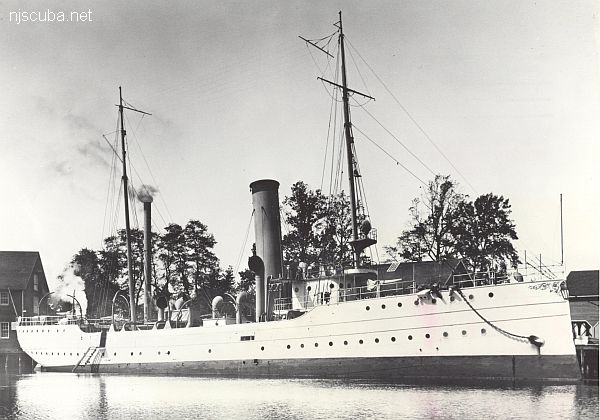
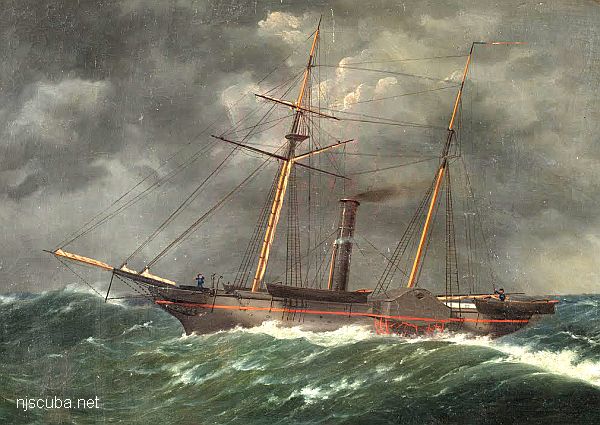
Shipwreck Delaware
The Delaware, an 1880s screw steamer

Early steamers were propelled by large paddlewheels. "Side-wheelers", with the paddlewheels on each side, were more seaworthy, and therefore more common in ocean waters, while "stern-wheelers", with a single large paddlewheel at the back, were more common as riverboats. Later, these were replaced by more efficient screw (or propeller) vessels.

 1 2 3 4 5  

Shipwreck Olinda
Type:
shipwreck, steamer, Portugal
Built:
1887, England
Specs:
( 250 x 36 ft ) 1479 gross tons
Sunk:
Tuesday June 11, 1895
ran aground on Fisher's Island - no casualties
Depth:
20 ft

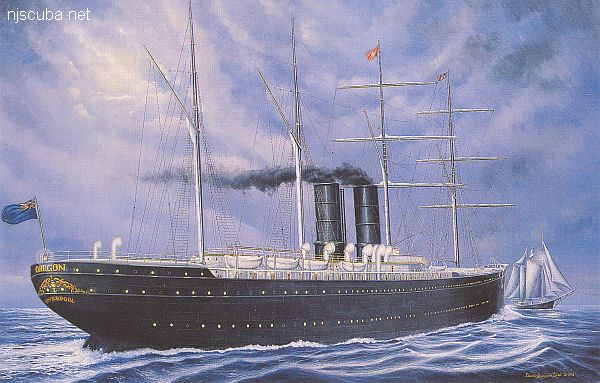
Shipwreck Oregon
Type:
shipwreck, liner, Cunard Line, England
Built:
1881, Scotland
Specs:
( 518 x 54 ft ) 7500 gross tons, 845 passengers & crew
Sunk:
Monday March 14, 1886
collision, probably with schooner Charles R Morse - no casualties
Depth:
125 ft, highest point 85 ft

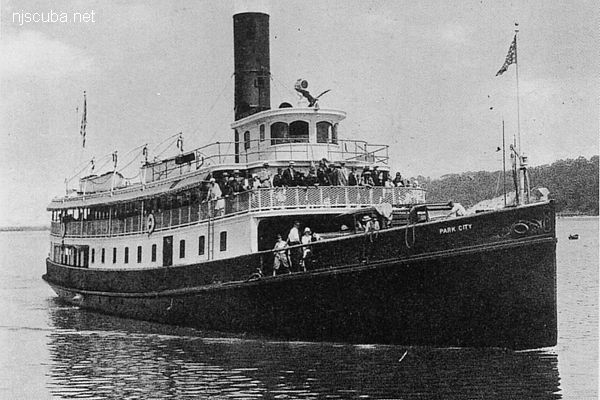
Shipwreck Park City
Type:
shipwreck, steamer / tugboat, USA
Built:
1898, Mather & Wood, Port Jefferson NY USA
Specs:
( 143 x 28 ft ) 391 gross tons, 9 passengers & crew
Sunk:
Wednesday August 8, 1951
collision with submerged object - 2 casualties
Depth:
60 ft

low wood debris field, located near offshore sewage pipe outlet, now disused


Shipwreck Pliny
Type:
shipwreck, steamer, England
Built:
1878, England
Specs:
( 288 x 33 ft ) 1671 gross tons, 55 passengers & crew
Sunk:
Saturday May 13, 1882
ran aground - no casualties
Depth:
25 ft

Type:
shipwreck, steamer
Built:
1911, Newcastle, England, as Etolia
Specs:
( 348 x 50 ft ) 3373 tons
Sunk:
Tuesday April 17, 1934
ran aground on Block Island - no casualties
Depth:
20 ft

Shipwreck R.C. Mohawk
Not to be confused with the S.S. Mohawk or the other S.S. Mohawk.
Type:
shipwreck, revenue cutter, U.S. Revenue Service, on loan to U.S. Navy
Name:
A tribe of Iroquoian Indians of the eastern New York area.
Built:
1902, William R. Trigg, Richmond VA USA
Specs:
( 206 x 32 ft ) 980 gross tons, 77 crew
Sunk:
Monday October 1, 1917
collision with tanker Vennachar - no casualties
GPS:
40°25.025' -73°45.158' (AWOIS 2010)
Depth:
100 ft

Type:
shipwreck, iron-hulled screw steamer
Built:
1878, Scotland, as Clan Ranald
Specs:
( 305 x 34 ft ) 2008 gross tons
Sunk:
Tuesday June 4, 1901
foundered when cargo of asphalt melted and shifted - no casualties
Depth:
40 ft


Shipwreck San Saba
Type:
shipwreck, steamer, USA
Name:
San Saba is a river in central Texas, a tributary of the Colorado River of Texas.
Built:
1879, Delaware River Iron Shipbuilding & Engine Works, Chester PA USA, as Colorado
Specs:
( 306 x 39 ft ) 2458 gross tons, 37 crew
Sunk:
Friday October 4, 1918
struck mine laid by U-117 - 30 casualties
Depth:
80 ft

Shipwreck Scotland
Type:
shipwreck, steamer, England
Built:
1865, England
Specs:
( 430 x 38 ft ) 3695 tons
Sunk:
Saturday December 1, 1866
collision with sailing ship Kate Dyer ( 1275 tons )
Depth:
22 ft

Steamers

 1 2 3 4 5  

2016 Update

Styles and fads come and go, but the advice below remains the same for Buoyancy Compensators. Unless someone figures out how to turn them into gold, there is nothing new to say about lead weights.

These items, along with tanks, are generally considered separately, something that I think is a mistake that often leads to buying equipment that quickly becomes inadequate, especially in the rigorous environment of the North Atlantic. However, it is not difficult to select items that both perform well and allow for future expansion, once you consider the requirements and interactions. To that end, I suggest that you read both the sections on BC & weight systems, and the section on tanks.