Steamers (3/5)

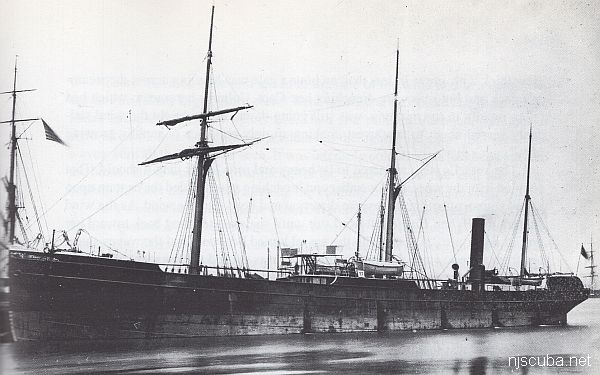
Steamer is an early term for any vessel power by a steam engine rather than sails.
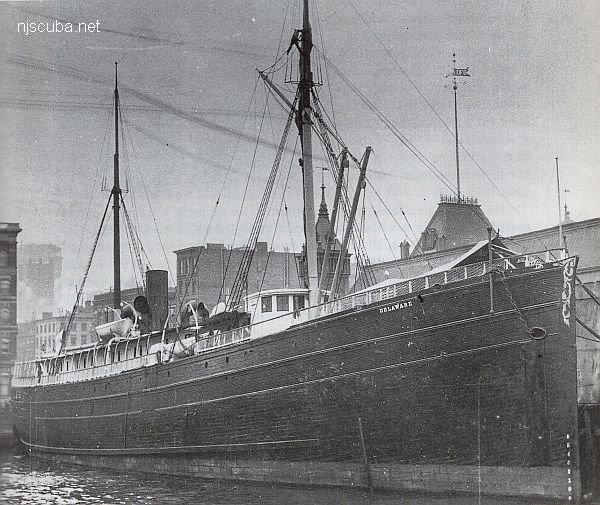
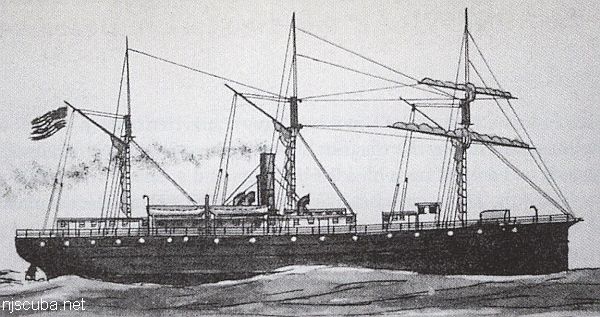
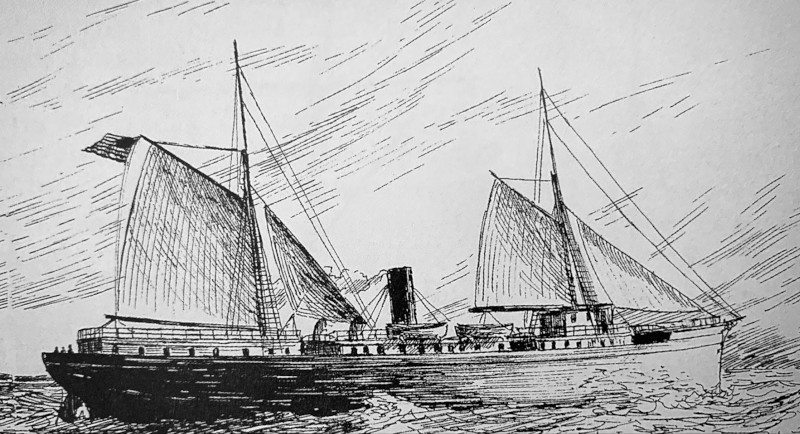
Shipwreck Delaware
The Delaware, an 1880s screw steamer

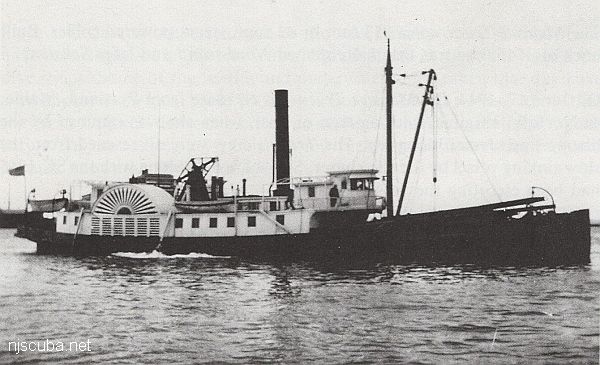
Early steamers were propelled by large paddlewheels. "Side-wheelers", with the paddlewheels on each side, were more seaworthy, and therefore more common in ocean waters, while "stern-wheelers", with a single large paddlewheel at the back, were more common as riverboats. Later, these were replaced by more efficient screw (or propeller) vessels.

 1 2 3 4 5  

Shipwreck Hylton Castle
Type:
shipwreck, steamer, England
Built:
1871, England
Specs:
( 251 x 32 ft ) 1258 gross tons, 22 crew
Sunk:
Monday January 11, 1886
overloaded and foundered in storm - no casualties
Depth:
95 ft

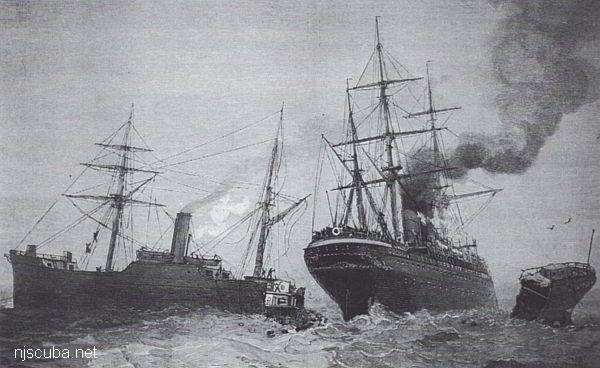
Shipwreck Iberia
Type:
shipwreck, steamer, France
Name:
Iberia is Latin for Spain or the Spanish peninsula.
Built:
1881, Scotland
Specs:
( 255 x 36 ft ) 1388 gross tons, 30 crew
Sunk:
Saturday November 10, 1888
collision with liner Umbria ( 7798 tons) - no casualties
Depth:
60 ft

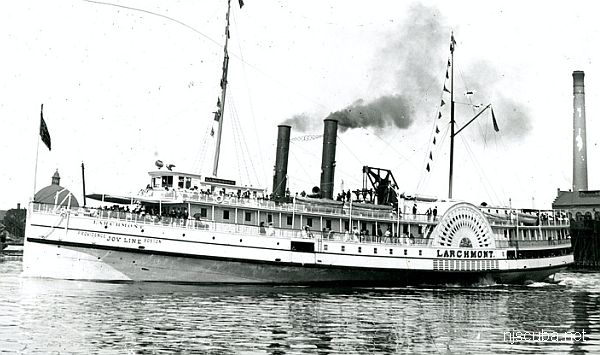
Shipwreck Larchmont
Type:
shipwreck, steamer, USA
Built:
1885, Goss & Sawyer, Bath ME USA
Specs:
( 252 x 37 ft ) 1605 tons, 351 passengers & crew
Sunk:
Monday February 11, 1907
collision with schooner Harry Knowlton - 334 casualties
Depth:
140 ft

huge paddlewheels; wooden hull draped with fishing nets; hazardous currents & poor viz.


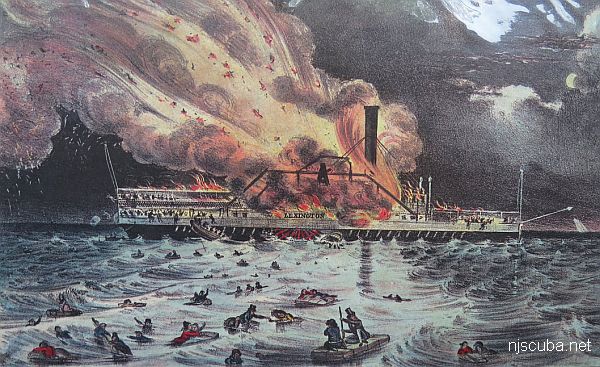
Shipwreck Lexington
Type:
steamer, USA
Built:
1835, Jeremiah Simonson, New York NY USA
Specs:
( 207 x 21 ft ) 488 gross tons, 165 passengers & crew
Sunk:
Monday January 13, 1840
fire - 4 survivors
Depth:
125 ft - 150 ft

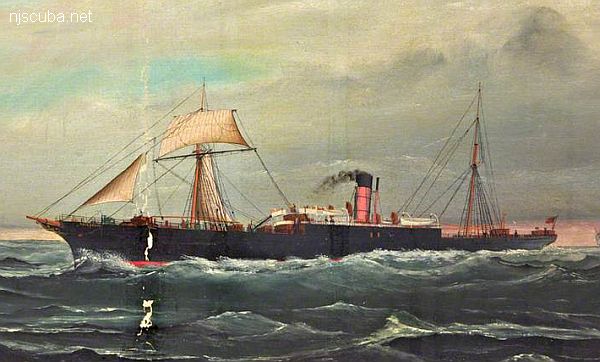
Shipwreck Macedonia
I found this old painting labeled "Macedonia" and "1894". This certainly could be the same ship. Another Macedonia enters the records in 1900, just a year after this one was lost.
Type:
shipwreck, steamer, Germany
( at time of loss chartered to Ward Lines, see Mohawk )
Name:
Macedonia is a region in the southern Balkans, adjoining Greece, and formerly part of Yugoslavia.
Built:
1894, England
Specs:
( 280 x 41 ft ) 2268 gross tons, 19 passengers & crew
Sunk:
Tuesday June 13, 1899
collision with liner Hamilton ( 3127 tons) - 1 casualty
GPS:
40°21.418' -73°56.153' (AWOIS 1991)
Depth:
60 ft

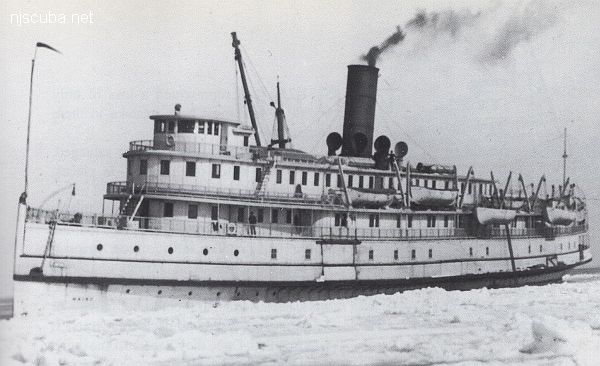
Shipwreck Maine
Type:
shipwreck, steamer, USA
Built:
1891, Harlan & Hollingsworth, Wilmington DE USA
Specs:
( 310 x 44 ft ) 1505 gross tons
Sunk:
Wednesday February 4, 1920
pushed onto rocks by pack ice - no casualties
Depth:
15 ft

low debris field


Shipwreck Mistletoe
Type:
shipwreck, steamer, USA
Built:
1852, Chester PA USA
Specs:
( 153 x 27 ft ) 362 gross tons, 84 passengers & crew
Sunk:
Monday May 5, 1924
fire, burned to waterline - no casualties
GPS:
40°32.055' -73°50.900' (AWOIS 2013)
Depth:
42 ft

Shipwreck Montgomery
Type:
shipwreck, steamer, USA
Built:
1858, Westervelt & Son, New York NY USA
Specs:
( 198 x 29 ft ) 1100 gross tons
Sunk:
Sunday January 7, 1877
collision with schooner Seminole - 13 casualties
Depth:
150 ft

Type:
shipwreck, iron-hulled screw steamer
Built:
1881, England
Specs:
( 287 x 37 ft ) 1963 gross tons
Sunk:
Saturday September 23, 1882
ran aground - no casualties
Yellow Water Lily

Coast Guard records denote this wreck as "disproved" - no longer there. It was removed as a hazard to navigation. Nuphar is the genus name for Water Lilies.


Steamers

 1 2 3 4 5  

Common Atlantic Octopus

Octopus vulgaris

Size: see below

Habitat: rocks and coral reefs, all depths

Notes:

The Common Octopus is the most studied of all octopus species. Its natural range extends from the Mediterranean Sea and the southern coast of England to at least Senegal in Africa, as well as the Azores, Canary Islands, and Cape Verde Islands. In the western Atlantic, it ranges from Texas and Florida to New England, although uncommon in colder northern waters. Typical habitat is rocks and coral reefs. Young are planktonic, and total lifespan is only 12-18 months.

O. vulgaris grows to 25 cm in mantle length with arms up to 1 m long. They can weigh up to 20 pounds, although they are usually much smaller. O. vulgaris is caught by bottom trawls on a huge scale off the northwestern coast of Africa. More than 20,000 tons are harvested annually.