Shark River Artificial Reef (1/2)

Shark River Artificial Reef

15.6 Nautical Miles off Manasquan, 0.83 sq miles
Depth: 120-140 ft [download]

 1 2  

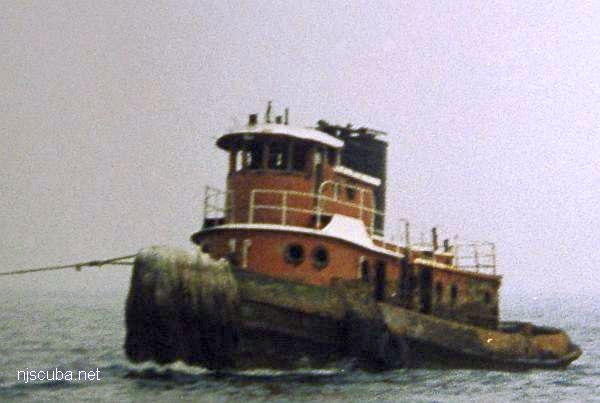
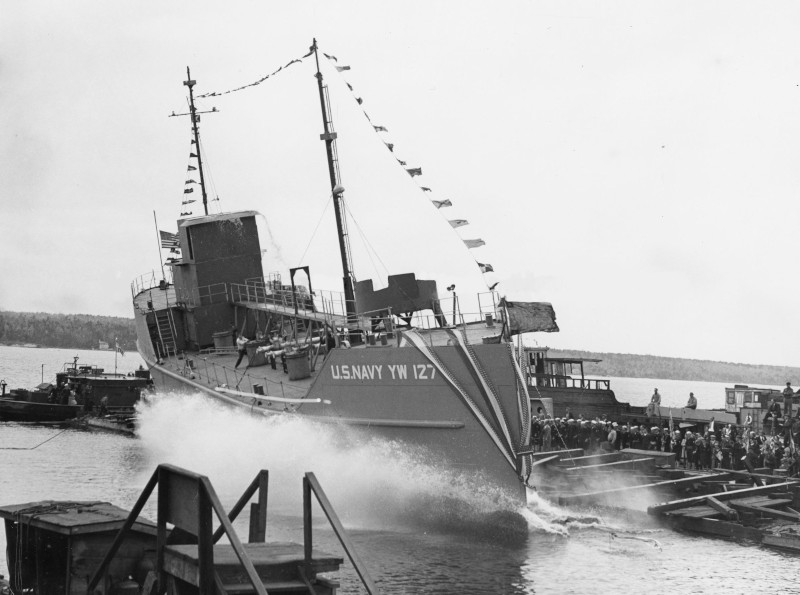
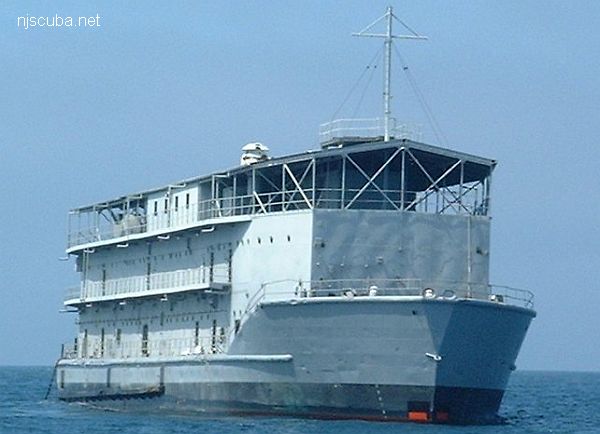
Alan Martin reef
Type:
artificial reef, tanker, US Navy, YO-20 class
Built:
1918, Todd Shipyards, New York NY USA, as YO-31
Specs:
( 161 x 25 ft ) 335 tons light, 911 tons full-load
Sponsor:
Crystal Oil Corporation, Marine Trades Assn. of NJ, Fisherman Magazine
Sunk:
Thursday September 10, 1987 - Sea Girt Artificial Reef
GPS:
40°06.440' -73°41.130'
Depth:
125 ft


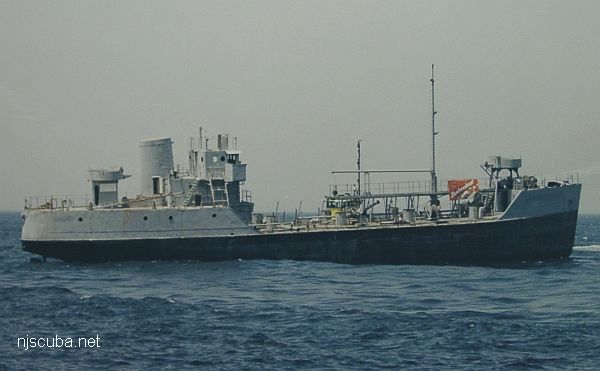
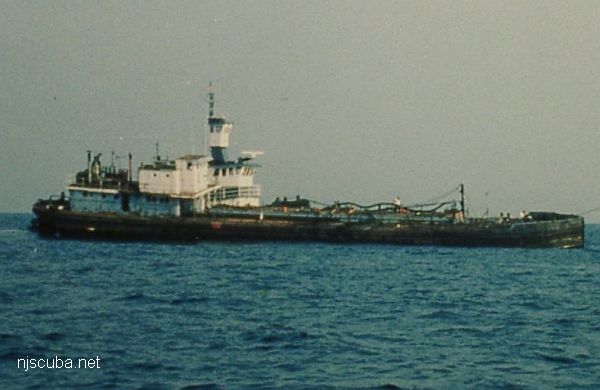
Coney Island reef
Type:
artificial reef, tanker, sludge
Built:
1938, Bethlehem Staten Island, Staten Island NY USA
Specs:
( 250 x 40 ft )
Sponsor:
Crystal Oil Corporation, Marine Trades Assn. of NJ, Fisherman Magazine
Sunk:
Thursday September 10, 1987 - Sea Girt Artificial Reef
GPS:
40°06.285' -73°41.365'
Depth:
125 ft, starts at 80 ft


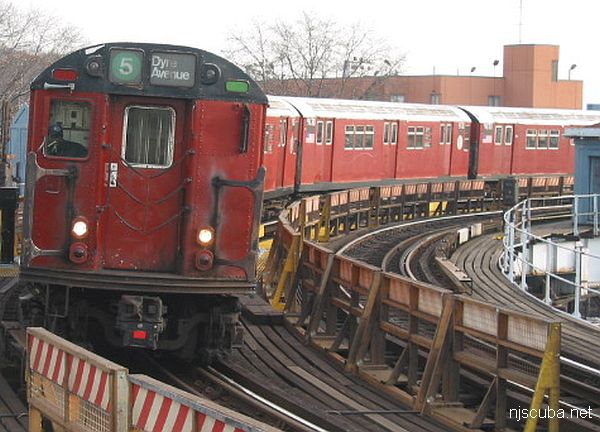
Redbird Subway Car - in service
Type:
250 "Redbird" subway cars - NYC Subway system - steel bodies / frames
Built:
1959-1960 - American Car & Foundry - Model R26 # 7750-7859
1960-1961 - American Car & Foundry - Model R28 # 7860-7959
1962-1963 - St. Louis Car - Model R29 # 8570-8805
1962-1963 - St. Louis Car - Model R33 # 8806-9345
1963-1964 - St. Louis Car - Model R36 # 9346-9769
Specs:
( 51 x 9 ft ) 15,000 to 18,000 pounds (body)
Sunk:
50 cars - Cape May Reef on July 3, 2003
50 cars - Deepwater Reef on July 16, 2003
50 cars - Atlantic City Reef on July 25, 2003
50 cars - Garden State North Reef on Sept 3, 2003
50 cars - Shark River Reef on Oct 14, 2003
619 cars - Delaware Reef 11 from Aug 2001 to Nov 2003
Sponsor:
New York City Metropolitan Transportation Authority (MTA)
anti-
Sponsor:
Environmental group Clean Ocean Action lobbied aggressively and almost successfully to prevent the use of these subway cars as artificial reefs in New Jersey, resulting in most of the cars going to other states.
GPS:
too many to list, and all gone anyway
Depth:
Depths vary by location between 80 ft and 130 ft.

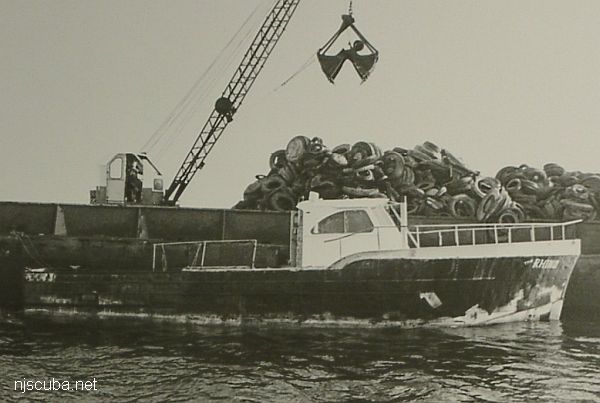
rock reef
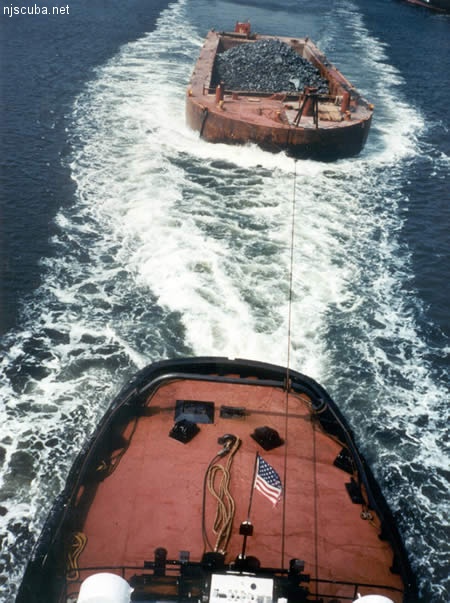
A hopper barge full of rock

All manner of concrete, steel, and stone rubble from dredging, demolition projects, and other construction is used as artificial reef materials. This material is generally available at very low cost or free from construction companies who are more than happy to get rid of it. Transportation costs determine where this material is used by the Reef Program.


rock ridge

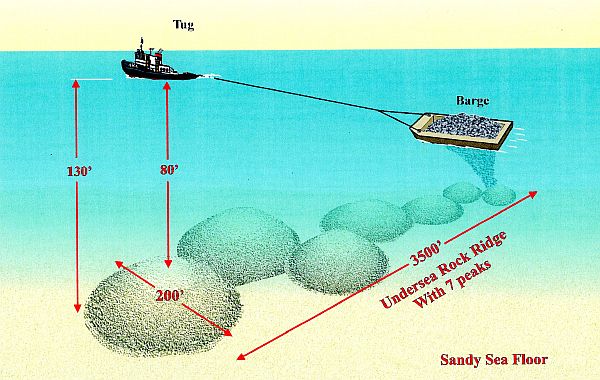
This site on the Shark River Artificial Reef consists of two long ridges of seven huge rock piles each, with one long valley east-west between them. Between piles, there are smaller valleys. Each ridge contains approximately two million tons ( or one million cubic yards ) of granite, blasted and dredged from the bottom of New York harbor between September 2002 and September 2003. Peak depths range from 85 to 105 ft, bottom depth is 130 ft. In addition, 15 Redbird subway cars were deposited on or near one of the piles. A similar rockpile is located in shallower water on the Axel Carlson Reef.

Shark River Artificial Reef

 1 2  

The "Regulator Tax" and the Buddy System

You should probably just skip this section

The scuba industry has successfully convinced the diving public that annual servicing of regulators is essential for your safety. Actually, at $50-$100 per regulator per year, annual servicing of regulators is far more essential to their bottom line than it is to your safety. Am I so cheap that I would risk my life to save less than $100? Not really.

All this is mixed up in business, economics, liability, and the fallacious buddy system. As you know, in the buddy system your buddy is theoretically your backup emergency air supply underwater, insuring not only against out-of-air situations, but also against equipment failures, and therefore you need only one tank and regulator. In keeping with this theory, you are sold a wholly inadequate breathing system with no built-in redundancy at all. Then, to try to reduce the inherent danger of diving with such a system, or perhaps just the legal liability in promoting it, you are then "required" to have it "serviced" at least once a year, whether it needs it or not. In fact, this is the icing on the cake for the industry, since such servicing is far more profitable than sales! The real purpose of all this is to lower the entry cost of diving by several hundred dollars, expand the customer base as rapidly as possible, and maximize revenues, and all this is done at the expense of true safety. In an industry that professes to be obsessed with safety at all costs, this hypocrisy is almost beyond belief. ( I'm not saying your local dive shop is evil, but he'll go right along with the industry-standard because everyone else does, and he needs to make a living. )