Deepwater Artificial Reef

Deepwater Artificial Reef

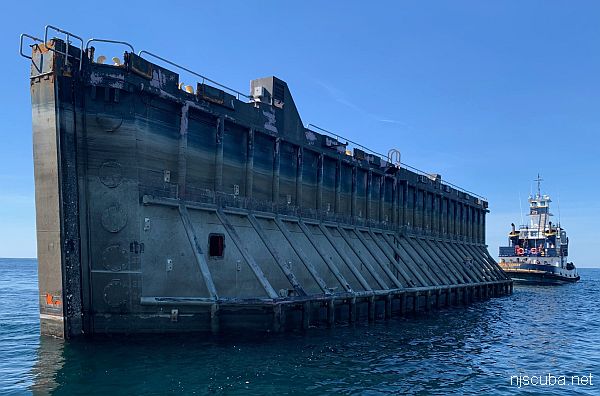
23.6 Nautical Miles off Ocean City, 1.03 sq miles
Depth: 90-125 ft [download]


Type:
artificial reef, drydock gate
Specs:
( 150 ft )
Sunk:
Friday June 8, 2020 - Deepwater Artificial Reef
GPS:
39°58.300' -74°10.900'
Depth:
125 ft

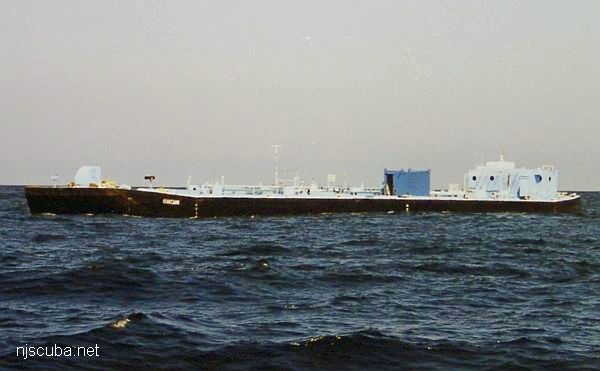
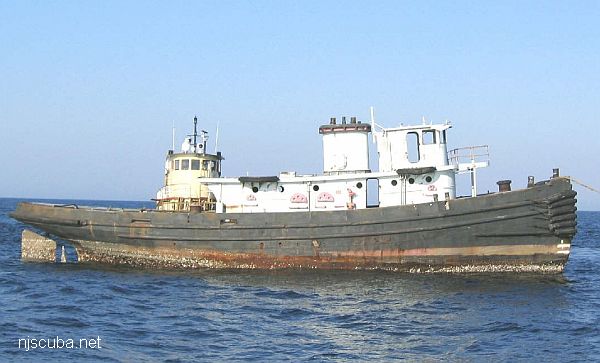
Mantank reef
Type:
artificial reef, barge
Built:
1950, Dravo Corporation, Wilmington, DE USA
Specs:
( 224 x 38 ft ) 997 GT
Sponsor:
BassBarn.com, Ann E Clark Foundation, PSE&G Habitat Restoration Fund
Sunk:
Thursday Sept 5, 2002 - Deepwater Artificial Reef
GPS:
39°58.688' -74°11.410'
Depth:
120 ft

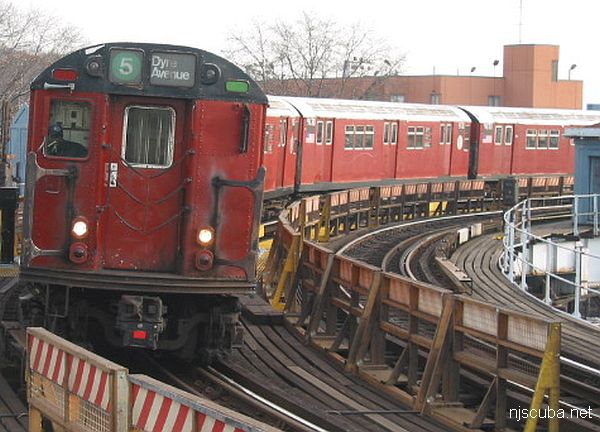
Redbird Subway Car - in service
Type:
250 "Redbird" subway cars - NYC Subway system - steel bodies / frames
Built:
1959-1960 - American Car & Foundry - Model R26 # 7750-7859
1960-1961 - American Car & Foundry - Model R28 # 7860-7959
1962-1963 - St. Louis Car - Model R29 # 8570-8805
1962-1963 - St. Louis Car - Model R33 # 8806-9345
1963-1964 - St. Louis Car - Model R36 # 9346-9769
Specs:
( 51 x 9 ft ) 15,000 to 18,000 pounds (body)
Sunk:
50 cars - Cape May Reef on July 3, 2003
50 cars - Deepwater Reef on July 16, 2003
50 cars - Atlantic City Reef on July 25, 2003
50 cars - Garden State North Reef on Sept 3, 2003
50 cars - Shark River Reef on Oct 14, 2003
619 cars - Delaware Reef 11 from Aug 2001 to Nov 2003
Sponsor:
New York City Metropolitan Transportation Authority (MTA)
anti-
Sponsor:
Environmental group Clean Ocean Action lobbied aggressively and almost successfully to prevent the use of these subway cars as artificial reefs in New Jersey, resulting in most of the cars going to other states.

GPS:
too many to list, and all gone anyway
Depth:
Depths vary by location between 80 ft and 130 ft.

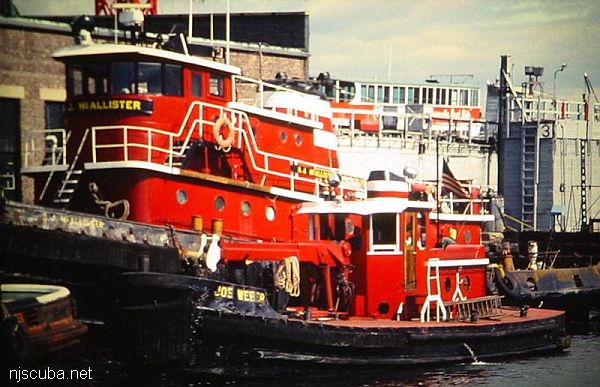
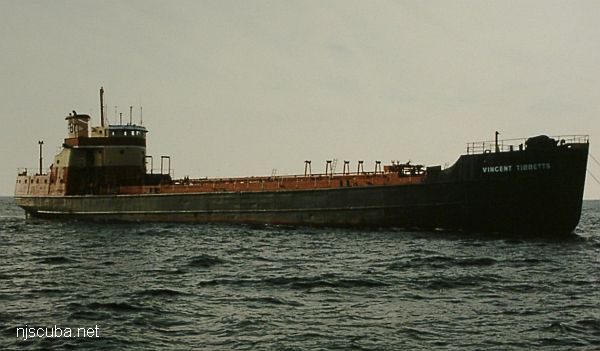
Vincent Tibbetts reef
Type:
artificial reef, T1-M-A2 tanker, gasoline
Built:
1944, East Coast Shipyards, Bayonne NJ USA as USS Ochlockonee AOG-33
Specs:
( 244 x 37 ft ) tonnage unknown after lengthening
Sponsor:
Cape May County Party & Charter Boat Association, PSE&G Habitat Restoration Fund, friends of Walt Hendee, Ann E Clark Foundation
Sunk:
Thursday Sept 5, 2002 - Deepwater Artificial Reef
GPS:
38°58.385' -74°11.429'
Depth:
135 ft


drysuit

Serious New Jersey divers wear drysuits. A drysuit is a waterproof suit with built-in feet that seals around your neck and wrists ( some have built-in water-tight gloves and/or hoods as well, ) and a waterproof zipper to close it up. The idea is that although you are underwater, you don't get wet, but this is not entirely true. No seal is perfect, and certain actions will let small amounts of water leak in past the seals. However, most of the moisture that accumulates in a drysuit comes from its occupant, in the form of perspiration. If water can't get in, then it can't get out either. Perhaps these should be called dampsuits instead of drysuits.

Still, in cold water, a drysuit is much warmer than a wetsuit. This is because you maintain a constant layer of air between you and the cold, and air is an excellent insulator. While air is also the insulating factor in wetsuits, there is a difference. With either suit, the volume of air, and therefore the amount of insulation, compresses as you go deeper. With a wetsuit, there is nothing you can do about this, but with a drysuit, simply tap the inlet valve, and compressed air will flow from your tank into the suit, and puff it up again, keeping you warm. An added benefit is that by keeping the suit inflated to a constant volume, you maintain constant buoyancy, from the surface to the bottom, which can actually reduce the amount of lead you need to carry. Some divers even dispense with the BCD, considering that a drysuit can be thought of as a full-body BCD, but this is not recommended, and it is convenient to use the BCD as a quick trimming device and for surface flotation.