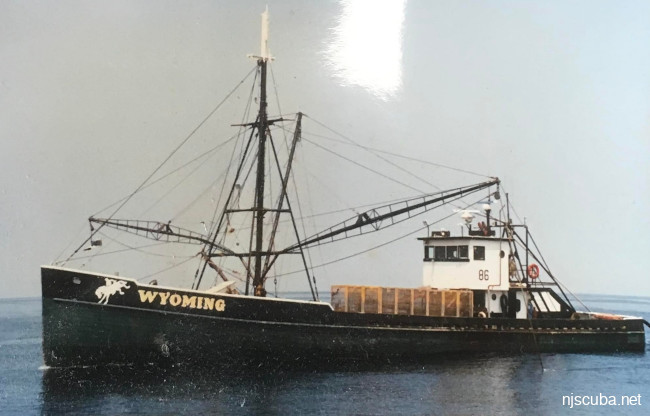
Clam Dredges (3/3)

small commercial fishing vessel
A small commercial fishing vessel of unknown type, although the bushels on deck would imply that she was after some kind of shellfish.

There are three basic types of commercial fishing vessels found in the Mid-Atlantic region: trawlers, seiners/gill-netters, and long-liners. A trawler or "dragger" operates by towing its fishing gear across the bottom. Weighted nets take bottom fishes, while cage-like steel dredges take clams and scallops. A seiner uses a floating net to encircle schools of surface-swimming fishes such as herring and tuna. A long-liner sets out miles of buoyed line with baited hooks to catch sharks, tuna, and swordfish. One could also add lobster boats and charter fishing or "head" boats to this list. And of course, dive boats.

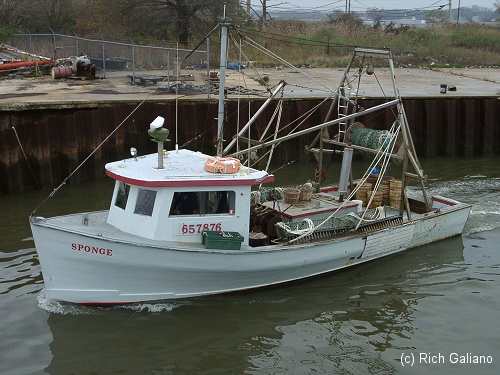
 1 2 3  


Clam Dredges

 1 2 3  

Having acquired all your nice expensive equipment, you may want to insure it against damage and flooding. Alright, perhaps not a cheap film camera, but a high-end housed 35mm, digital, or video camera certainly deserves the protection. On the other hand, with proper care and maintenance, and attention to detail when sealing it up, a modern camera housing is extremely unlikely to leak.

Here's something I learned the hard way:

Batteries + saltwater = one really nasty corrosive mess. Regular old alkalines are not nearly as destructive when you get them wet. What does this mean? Use NiMH batteries in the camera inside the housing, but use alkalines inside your strobes, so that if the battery compartment does flood, you can just rinse it out with fresh water and maybe lemon juice. The result of a wet NiMH battery will eat away the metal contacts of the battery compartment so fast that by the time you can do anything about it, it's too late. Alkaline batteries have plenty of oomph to drive a strobe, although not a camera. If your camera housing floods, the battery type won't really matter, since the saltwater will destroy the camera all by itself.