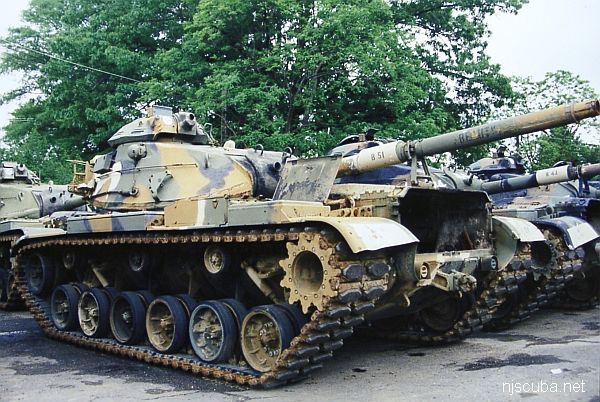
M60 tanks undergo a thorough cleaning before use as reefs
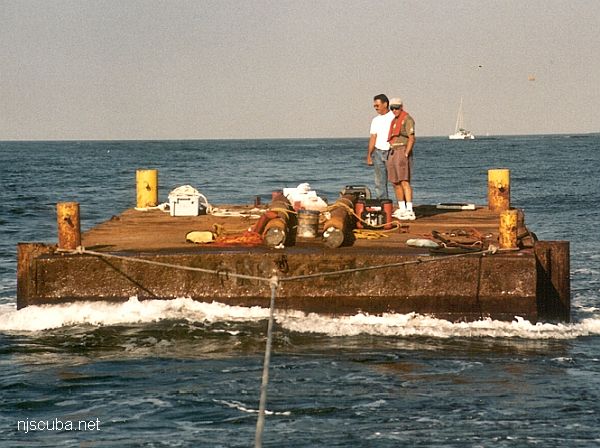
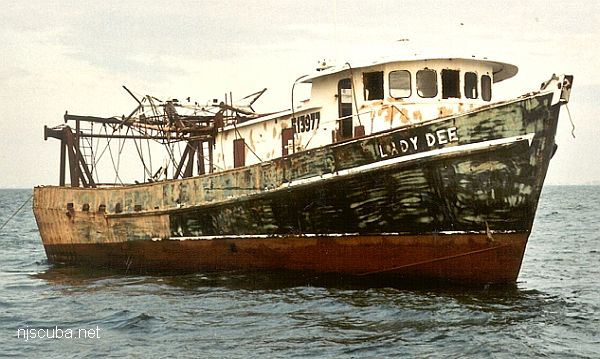
The Artificial Reef Program used four types of obsolete Army armored vehicles as artificial reef materials off the New Jersey coast. These were cleaned at local military bases, loaded onto barges for transport, and pushed off at their final destination. Once the Army had disposed of its excess inventory, the program ceased, around 1999. The Artificial Reef Program has sunk almost 400 tanks altogether, far too many to list them here in this website.
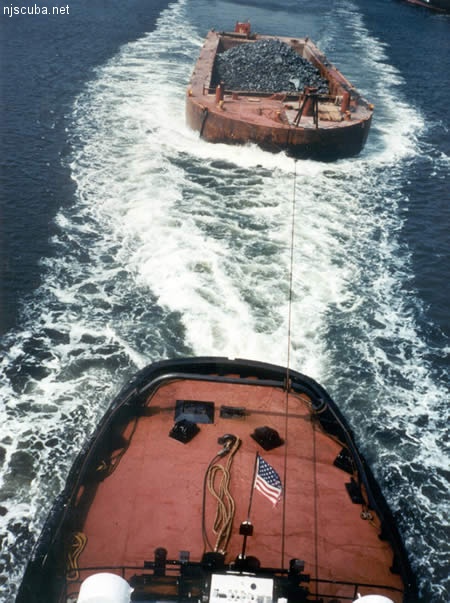
All manner of concrete, steel, and stone rubble from dredging, demolition projects, and other construction is used as artificial reef materials. This material is generally available at very low cost or free from construction companies who are more than happy to get rid of it. Transportation costs determine where this material is used by the Reef Program.
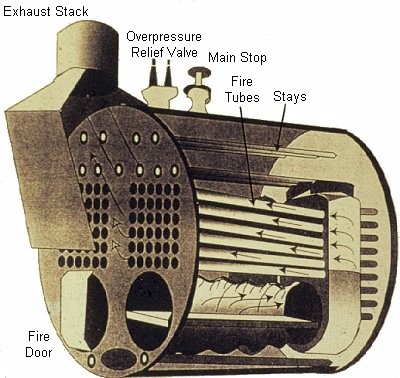
Boilers are one of the most common shipwreck features, found on almost all engine-powered vessels. The purpose of a boiler is to produce high-pressure steam for the engine to propel the vessel. Steam boilers have been in use from the early 1800s to the present day.