Barnegat Light Artificial Reef

Barnegat Light Artificial Reef

3.1 Nautical Miles off Barnegat, 1.08 sq miles
Depth: 50-60 ft [download]


rock reef
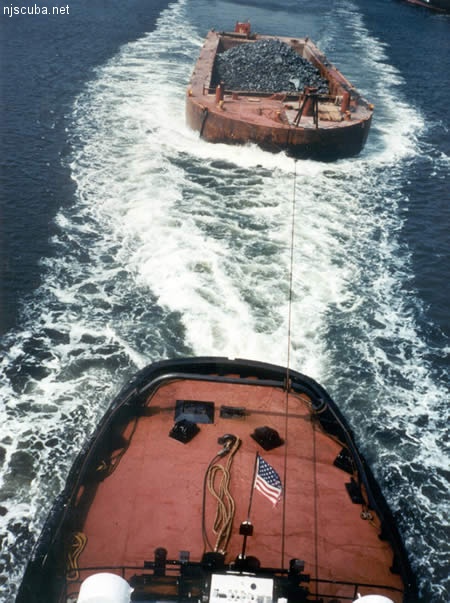
A hopper barge full of rock

All manner of concrete, steel, and stone rubble from dredging, demolition projects, and other construction is used as artificial reef materials. This material is generally available at very low cost or free from construction companies who are more than happy to get rid of it. Transportation costs determine where this material is used by the Reef Program.


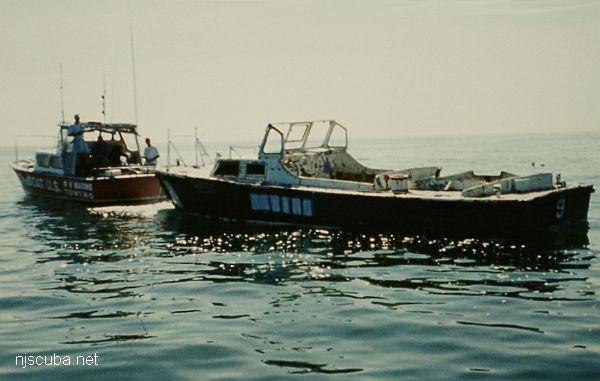
#9 reef
Type:
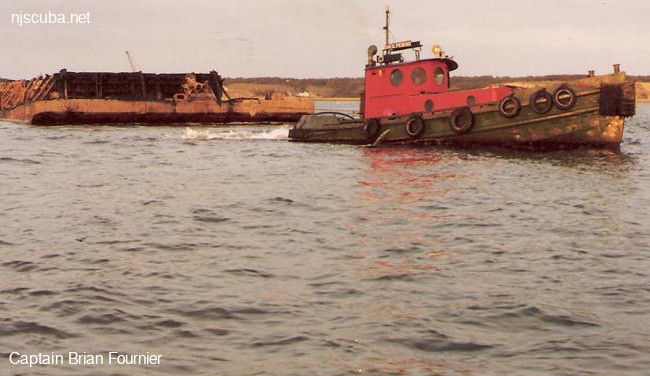
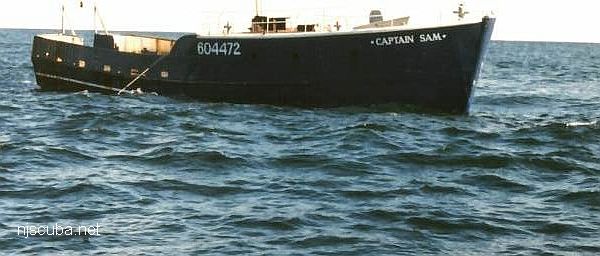
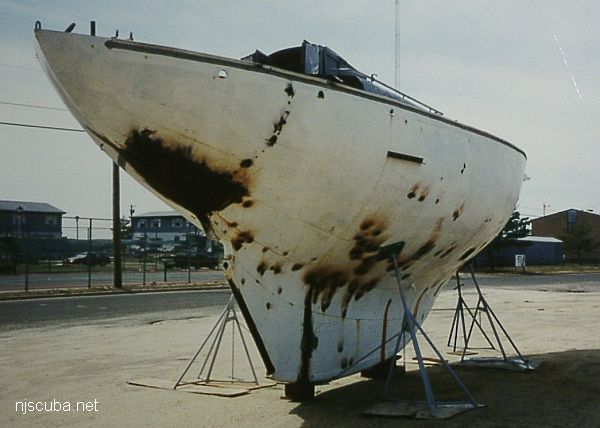
artificial reef, tow boat, originally USCG patrol boat
Specs:
( 40 x 12 ft )
Sponsor:
Artificial Reef Association, Jim Lees
Sunk:
Wednesday July 31, 1995 - Barnegat Light Artificial Reef
GPS:
39°45.127' -74°01.297'

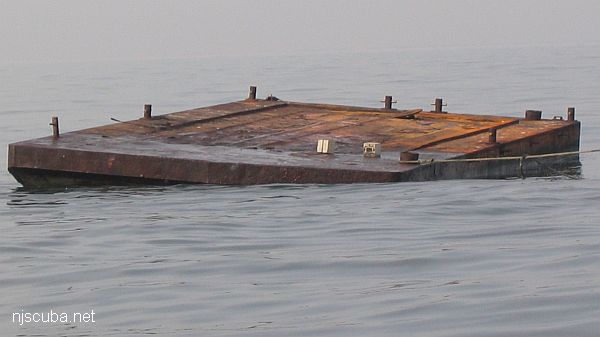
Tuna Sub reef
Type:
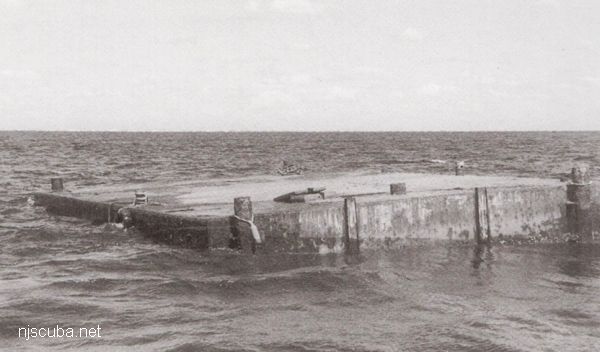
artificial reef, barge
Built:
circa 1990, NY USA
Specs:
( 42 x 22 ft )
Sponsor:
Forked River Tuna Club
Sunk:
Tuesday May 21, 2002 - Barnegat Light Artificial Reef
GPS:
39°45.973' -74°01.459'

wreck reel

A wreck reel should be considered standard equipment on all but the easiest open ocean dives. Even if you aren't into wreck penetration, you can use the reel as a foolproof way of always knowing how to get home. Just clip it on, and off you go. This is much easier and more reliable than any other means of navigation, and is useful in many situations, especially in poor visibility. Among other things, a wreck reel will allow you to make explorations over featureless sand areas, and in confusing debris fields, like the Mohawk, as well as conduct organized searches, etc. In open water, a wreck reel is often more useful than a compass, although you should always carry one of those as well. On the other hand, there is no real use for a wreck reel in a typical inlet or jetty dive, whereas your compass will be extremely useful.

wreck reel