Barnegat Light Artificial Reef

Barnegat Light Artificial Reef

3.1 Nautical Miles off Barnegat, 1.08 sq miles
Depth: 50-60 ft [download]


rock reef
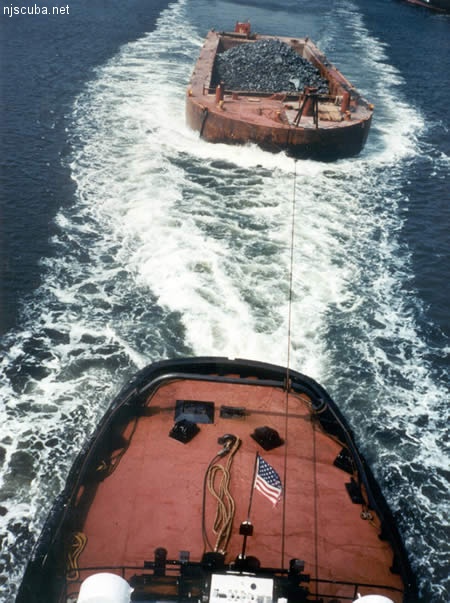
A hopper barge full of rock

All manner of concrete, steel, and stone rubble from dredging, demolition projects, and other construction is used as artificial reef materials. This material is generally available at very low cost or free from construction companies who are more than happy to get rid of it. Transportation costs determine where this material is used by the Reef Program.


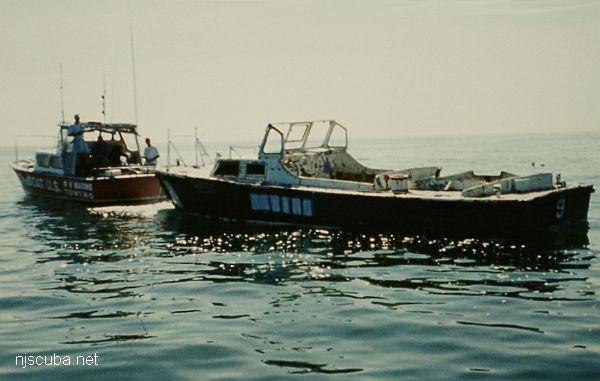
#9 reef
Type:
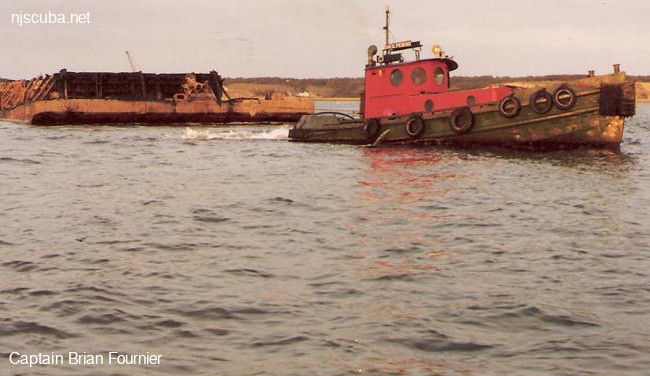
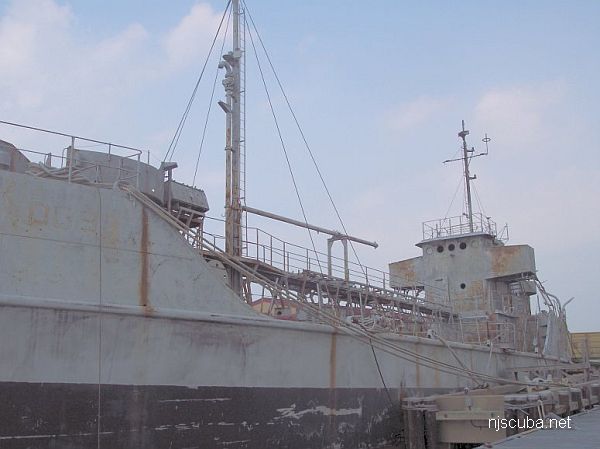
artificial reef, tow boat, originally USCG patrol boat
Specs:
( 40 x 12 ft )
Sponsor:
Artificial Reef Association, Jim Lees
Sunk:
Wednesday July 31, 1995 - Barnegat Light Artificial Reef
GPS:
39°45.127' -74°01.297'

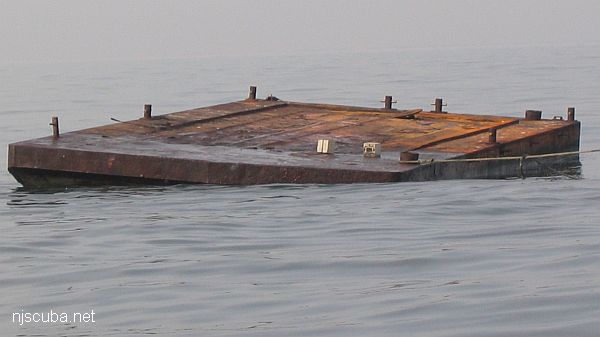
Tuna Sub reef
Type:
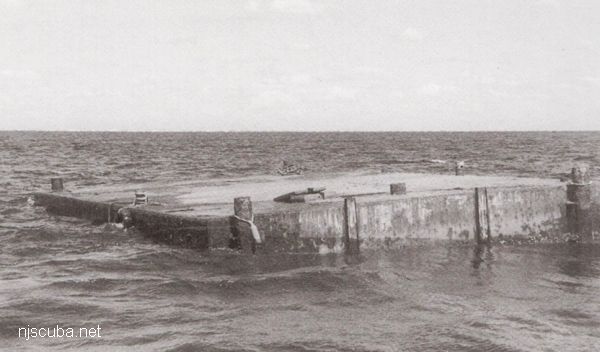
artificial reef, barge
Built:
circa 1990, NY USA
Specs:
( 42 x 22 ft )
Sponsor:
Forked River Tuna Club
Sunk:
Tuesday May 21, 2002 - Barnegat Light Artificial Reef
GPS:
39°45.973' -74°01.459'

scallop dredge
Scallop

Scallop dredging is similar to clam dredging in that large metal rakes are dragged across the bottom. However, that is where the resemblance ends. Since scallops live on the surface, unlike buried clams, they can be harvested with much lighter-weight gear. A scallop rake is typically much smaller than a clam rake, consisting of a triangular frame with a chain-link catch-bag. No hydraulics are necessary. Such gear does not require as much towing power as for clamming. Since scallops are cleaned at sea as they are caught, and all the heavy shells discarded, there is also much less on-board storage requirement. Scallop boats can therefore be smaller than clam boats, and some are quite small indeed. In fact, the entire business model seems to be different, and it appears that a few small privately-owned operations persist to this day, in contrast to clamming, which is now dominated by a few corporate fleets.