Port Jefferson Artificial Reef

Port Jefferson Artificial Reef

1.79 nautical miles northeast of Port Jefferson Inlet, 0.08 sq miles
Depth: 88 to 94 feet

This is a new reef for 2023. Also known as Mount Sinai Artificial Reef.
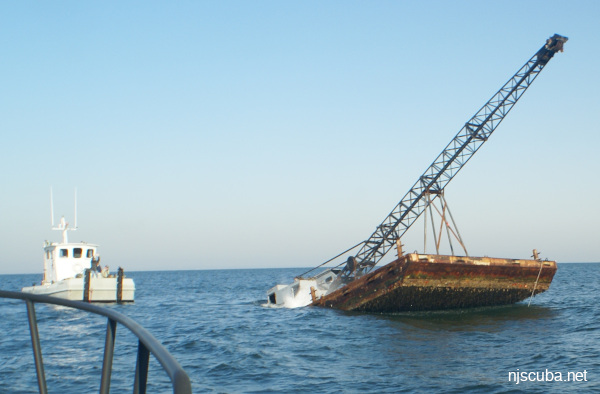
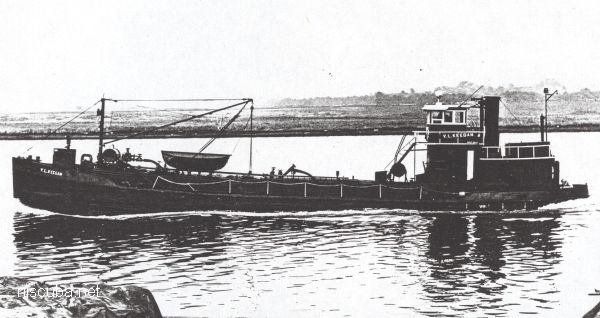
Lund's barge - 2023

rock reef
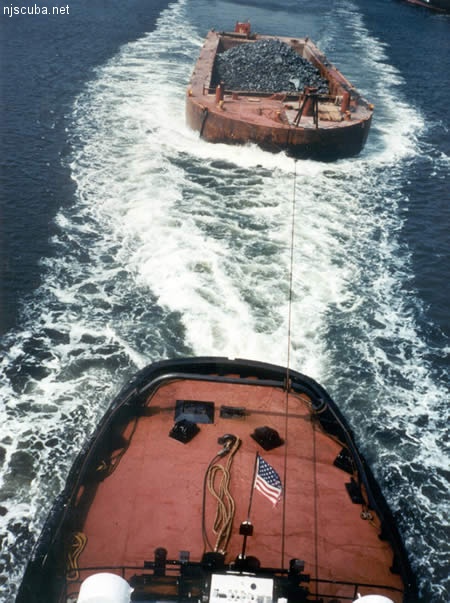
A hopper barge full of rock

All manner of concrete, steel, and stone rubble from dredging, demolition projects, and other construction is used as artificial reef materials. This material is generally available at very low cost or free from construction companies who are more than happy to get rid of it. Transportation costs determine where this material is used by the Reef Program.


Comments on Port Jefferson Reef

Questions or Inquiries?

Just want to say Hello? Sign the .

Submit a Comment

Your email address will not be published. Required fields are marked *


Click image to replace if unable to read.

Enter the digits from the image above, except for the last one:

This site uses Akismet to reduce spam. Learn how your comment data is processed.


Gammarus

Amphipod crustaceans typically range in size from 2 to 50 mm, although a few may be larger. Amphipods are common in aquatic ecosystems throughout many parts of the world, inhabiting marine, brackish, and freshwater environments. A few species are also terrestrial. Amphipod means "different foot", a reference to the varied legs that are evident in the illustrations, as opposed to isopods.

The order Amphipoda, which contains nearly 7,000 described species, is divided into three suborders: Gammaridea, Caprellidea, and Hyperiidea. Gammaridea, with more than 5500 described species, is not only the largest amphipod suborder but also contains all of the freshwater and subterranean taxa. Approximately 21 superfamily groups, 95 families and more than 1000 genera are recognized within this suborder.